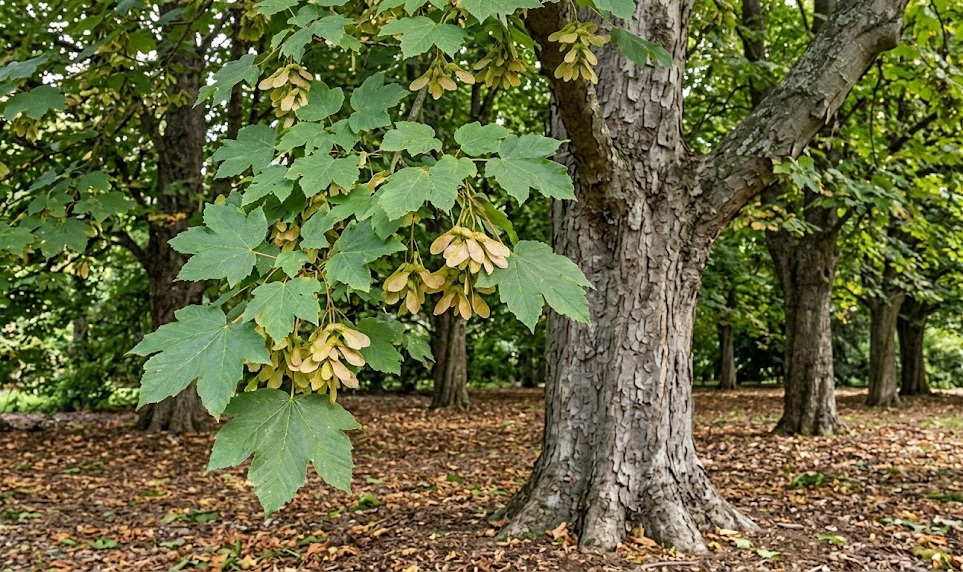

The sycamore maple is a species that exhibits a fascinating relationship with light throughout its various stages of development and growth. Understanding how this tree interacts with solar energy is essential for anyone looking to plant or manage it within a professional landscape. Light is the primary driver of photosynthesis, providing the energy necessary for the tree to build its massive structure and produce its dense foliage. A well-placed tree that receives the optimal amount of light will grow faster, live longer, and display better overall health.
In its natural forest environment, the sycamore maple is often characterized as a mid-successional species that can tolerate a range of light conditions. Young saplings are remarkably shade-tolerant, which allows them to wait patiently in the understory for an opening in the canopy. This ability to survive in lower light levels is a survival strategy that gives them a competitive advantage over more light-demanding trees. However, even in these early stages, a moderate amount of filtered sunlight will significantly increase their growth rate.
As the tree matures and begins to reach toward the upper canopy, its requirement for direct sunlight increases dramatically. To achieve its full potential and develop its characteristic broad, rounded crown, the sycamore maple needs a position with full sun exposure. In a garden or park setting, this means providing a location where the tree will receive at least six to eight hours of direct light during the summer. Adequate light ensures that the tree can maintain a dense canopy and strong internal wood structure.
Light also plays a crucial role in the timing of the tree’s annual cycles, such as bud break in the spring and leaf drop in the autumn. The changing duration of daylight, known as photoperiodism, tells the tree when to prepare for the coming season. If a tree is planted in an area with excessive artificial light at night, such as near a bright streetlamp, its natural rhythms can be disrupted. Ensuring that the tree experiences a natural cycle of light and dark is a subtle but important aspect of professional care.
Optimizing light in the landscape
When selecting a site for a new sycamore maple, you must consider not only the current light levels but how they will change as the tree grows. A spot that is sunny now might become shaded by a neighboring building or another fast-growing tree in a few years. Conversely, the sycamore maple itself will eventually create a large area of deep shade that will affect the plants growing beneath it. Planning for these long-term light dynamics is the hallmark of a professional landscape designer.
More articles on this topic
The orientation of the tree relative to the sun can also affect its growth habit and the health of its branches. Trees planted on the southern side of a property will receive the most intense light, which can lead to very rapid growth but also a higher demand for water. Those in more eastern or western exposures will experience different patterns of light and shadow throughout the day. You should observe how the sun moves across your site to determine the best possible placement for your specific maple specimen.
In some cases, you may need to manage the light levels around an existing sycamore maple to maintain its health or the health of surrounding plants. Pruning nearby trees that have begun to encroach on the maple’s space can restore the light it needs to thrive. Similarly, thinning the canopy of the maple itself can allow more light to reach the lower branches and the ground below. This careful balancing of light and shadow creates a more vibrant and diverse garden environment for all your plants.
Light also influences the color and thickness of the sycamore maple’s leaves, which are its primary solar panels. Leaves grown in full sun are typically thicker and more resilient than those grown in deep shade, which tend to be larger but more delicate. This physiological adaptation allows the tree to maximize its energy intake regardless of its specific position in the landscape. Watching how the foliage changes in response to the light is a great way to monitor the tree’s overall well-being.
Impact of light on health and timber
The amount of light a sycamore maple receives has a direct impact on the quality of its wood and its resistance to certain diseases. Trees grown in adequate light tend to have more balanced growth and stronger wood fibers, making them less prone to storm damage. In contrast, trees that are forced to reach excessively for light can become “leggy” or develop lopsided crowns that are structurally unstable. Professional arborists always look for these light-related growth patterns when assessing the safety of a tree.
More articles on this topic
Fungal diseases, such as the common tar spot, are often more prevalent in trees that are grown in stagnant, shady conditions with poor air circulation. Increasing the light penetration into the canopy can help the foliage dry out more quickly after rain, which discourages the germination of fungal spores. Sunlight is one of nature’s most effective disinfectants, and its presence can significantly reduce the need for chemical interventions. A sunny, well-ventilated site is the best natural defense for your sycamore maple.
In commercial forestry, light management is used to produce high-quality timber from sycamore maples, which is prized for its fine grain and pale color. By controlling the density of the forest stand, managers can encourage the trees to grow straight and clear of lower branches. While this may not be the primary goal for a home gardener, the same principles apply to creating a beautiful and valuable specimen tree. Proper light ensures that the tree develops the impressive trunk and crown that make the species so desirable.
Ultimately, the goal of understanding light requirements is to place the sycamore maple in an environment where it can truly shine. These trees are built to harness the power of the sun and transform it into a magnificent living structure. By providing the right light conditions, you are giving the tree the best possible foundation for a long and healthy life. The reward is a majestic presence in your landscape that provides beauty, shade, and ecological value for many decades to come.