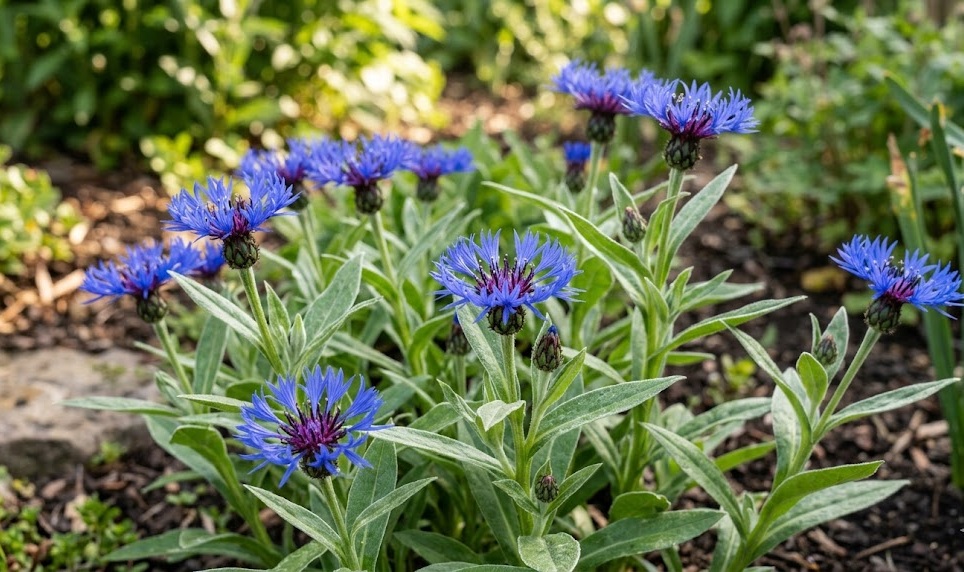

Pruning is a vital horticultural practice that helps maintain the shape, health, and productivity of the mountain cornflower throughout the growing season. Far from being just a cosmetic task, strategic cutting back influences the plant’s energy allocation and can even extend its blooming period. For the professional gardener, pruning is a dynamic process that responds to the specific growth stage and condition of each individual plant. This guide explores the different techniques used to manage this resilient perennial from the first spring buds to the final autumn cleanup.
The first opportunity for pruning typically occurs in late spring, just as the plant is preparing to send up its first flower stalks. By thinning out some of the smaller, weaker stems at the base, you can encourage the plant to direct more energy into the larger, more vigorous ones. This results in fewer but much higher-quality flowers that are better supported by the plant’s structural framework. This type of early-season thinning also improves air circulation, which is essential for preventing the buildup of moisture-related diseases.
As the flowers begin to fade, a technique known as deadheading becomes the primary focus of maintenance in the perennial border. Removing spent blooms prevents the plant from wasting energy on seed production and often stimulates the growth of new flower buds. This can result in a second wave of color in mid-summer, keeping the garden looking fresh and vibrant for a longer period. Deadheading is also a great way to prevent the plant from self-seeding too aggressively if you want to keep it contained in a specific area.
In mid-summer, many gardeners perform a more drastic “renewal prune” to refresh the foliage and manage the overall size of the clump. If the plant has become leggy or started to flop after the main blooming period, cutting the entire plant back by half can stimulate a flush of new, healthy leaves. This keeps the plant looking tidy and attractive during the later months of the summer when many other spring-blooming perennials begin to look tired. A well-timed cut can transform a sprawling specimen into a compact and beautiful garden anchor.
Deadheading for continuous blooms
To deadhead the mountain cornflower effectively, follow the flower stem down to the first set of healthy leaves or a new lateral bud. Use a sharp pair of bypass pruners to make a clean cut just above the node, being careful not to damage the emerging growth. This process should be done regularly, ideally every few days during the peak blooming season, to keep the plant in constant production. Regular deadheading not only improves the look of the individual plant but also contributes to the overall neatness of the garden design.
More articles on this topic
If you are looking to encourage a significant second bloom, you can be a bit more aggressive with your deadheading by removing several inches of the stem along with the faded flower. This triggers a stronger hormonal response in the plant, encouraging it to produce more vigorous lateral branches. While this might result in slightly smaller flowers, the sheer quantity and the extended season of interest make it a worthwhile trade-off. This level of detail is what separates a professionally managed garden from one that is left to its own devices.
Some gardeners choose to leave the very last flush of flowers on the plant at the end of the season to allow them to go to seed. The dried seed heads of the mountain cornflower are quite attractive and provide a natural architectural element in the late autumn and early winter landscape. They also provide a valuable food source for small birds as the weather turns cold and other food sources become scarce. Balancing the desire for a tidy garden with the needs of local wildlife is an important consideration for the modern, ecologically-aware gardener.
Always make sure to collect and dispose of any deadheaded material that shows signs of pest or disease damage. Fungal spores can easily persist on old flower heads and infect the new growth as it emerges from below. By keeping the area around the base of the plant clean, you reduce the overall pathogen load in your garden bed. This simple act of sanitation is a key part of integrated pest management and helps ensure the long-term vitality of your perennial collection.
Structural pruning and rejuvenating the clump
When a mountain cornflower clump becomes too large or starts to die out in the center, a structural prune is often the first step in rejuvenation. This involves removing the oldest, woodiest stems right at the base of the plant to make room for younger, more vibrant shoots. By selectively thinning the crown in this way, you allow more light and air to reach the interior of the plant, which prevents the center from becoming a dead zone. This type of maintenance should ideally be performed every two to three years to keep the plant in peak condition.
More articles on this topic
If the plant has become completely unmanageable or has suffered from a severe pest outbreak, a “reboot” prune might be necessary. This involves cutting the entire plant down to within two or three inches of the ground, even if it is still in the middle of its growth cycle. While it may seem drastic, the mountain cornflower is incredibly resilient and will quickly send up new, healthy foliage from its underground rhizomes. This is an excellent way to get rid of a stubborn case of powdery mildew and start fresh with clean, vigorous growth.
The timing of this rejuvenation pruning is best done after the first flush of flowers has completely finished, typically in late June or early July. This gives the plant enough time to regrow its foliage and build up energy reserves before the onset of winter dormancy. Make sure to water the plant well after a major pruning to help it recover from the stress of losing so much of its photosynthetic surface area. A light application of compost or a liquid fertilizer can also provide the nutrients needed for the rapid new growth.
Using the right tools is essential for structural pruning to avoid crushing the stems or leaving ragged edges that are slow to heal. Sharp, clean pruning shears are the best choice for most stems, while a small pruning saw might be needed for very old, woody centers. Always clean your tools with a disinfectant before moving from one plant to another to prevent the accidental spread of disease. A professional gardener takes pride in their tools and understands that a clean cut is the first step in a plant’s healthy recovery.
Late season and dormant period cutting back
As the autumn progresses and the foliage begins to naturally yellow and decline, it is time for the final pruning of the year. Many professional gardeners prefer to cut the entire plant back to a few inches above the ground once a hard frost has completely killed the top growth. This cleanup process removes the old foliage, which can harbor overwintering pests and disease spores that would otherwise plague the garden in the spring. It also creates a clean, open surface for the application of protective winter mulch.
If you live in an area with a lot of winter interest or where you want to provide habitat for insects, you may choose to leave the stems standing until the early spring. The dried stalks can trap leaves and snow, providing a natural insulation for the crown during the coldest months. However, if you choose this route, you must be disciplined about cutting them back in very early spring before the new growth starts to emerge. Waiting too long can make it difficult to remove the old stems without damaging the tender new shoots coming up from the soil.
When cutting back in the autumn, take the opportunity to inspect the crown of the plant for any signs of damage or rot. If the soil has pulled away from the roots, gently press it back into place or add a bit of fresh compost to protect them. This is also a good time to mark the location of the plants with a small stake if you plan on adding other things to the bed in the spring. Knowing exactly where your dormant perennials are prevents accidental damage during early season digging or weeding.
The final cleanup of the season is a satisfying task that prepares the garden for its period of rest and renewal. Removing all the old debris and leaving the ground clean and mulched is the mark of a well-cared-for landscape. This proactive approach ensures that the mountain cornflower will have the best possible start when the warm days of spring return. Pruning is not just about the present; it is a vital investment in the future beauty and health of your entire garden ecosystem.