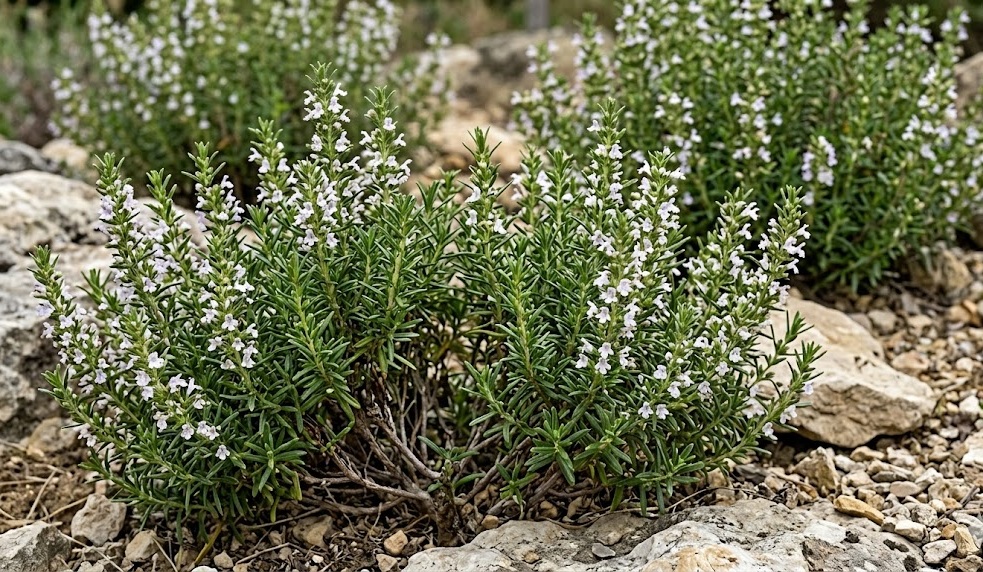

Establishing a successful stand of winter savory begins with a thoughtful approach to site selection and the specific timing of your planting activities. This perennial herb is native to the Mediterranean region, which means it has evolved to thrive in environments that offer plenty of sun and excellent drainage. Whether you are starting from seed or using vegetative methods, the initial phase of growth is critical for the long-term health of the shrub. By understanding the unique requirements of this plant, you can create a productive herb garden that yields high-quality foliage for many years.
The process of planting begins long before you actually put a shovel into the ground. You should spend time observing your garden to identify the areas that receive the most consistent sunlight throughout the day. Winter savory requires a minimum of six to eight hours of direct light to produce the essential oils that give it its distinctive flavor. Once you have found the right spot, you can begin to prepare the soil by removing any existing vegetation and loosening the earth to a depth of several inches.
If you are planting in a region with heavy rainfall, consider creating raised beds or mounds to ensure that the roots never sit in standing water. You can also incorporate soil amendments like grit or perlite to improve the internal drainage of the planting area. For those with limited space, winter savory grows exceptionally well in containers, provided they have large drainage holes at the bottom. A high-quality potting mix formulated for succulents or Mediterranean herbs is usually the best choice for container-grown plants.
Transitioning young plants from a controlled indoor environment to the garden is a step that requires patience and care. You should gradually expose your seedlings or cuttings to outdoor conditions over a period of a week or two, a process known as hardening off. Start by placing them in a sheltered, shady spot for a few hours each day and slowly increase their time in the sun. This gradual introduction prevents transplant shock and ensures that the plants are strong enough to withstand the wind and temperature fluctuations of the open garden.
Sowing seeds for large scale growth
Starting winter savory from seed is an economical way to produce a large number of plants for a hedge or a massive herb border. You should ideally start your seeds indoors about six to eight weeks before the last expected frost in your area. Use a sterile seed-starting mix and lightly press the small seeds into the surface of the soil, as they require some light to germinate. Keeping the soil consistently moist but not waterlogged is essential during this early stage of development.
More articles on this topic
Temperature plays a major role in the germination rate of savory seeds, which prefer a warm environment around 18 to 21 degrees Celsius. You can use a heat mat under your seed trays to provide the consistent bottom heat that encourages fast and even sprouting. Once the seedlings appear, they will need plenty of bright light to prevent them from becoming leggy and weak. A sunny windowsill or a professional grow light setup will provide the energy the young plants need to build strong stems.
As the seedlings develop their first true leaves, you can begin to thin them out to ensure that each plant has enough space to grow. Choose the strongest and healthiest individuals to keep and gently remove the smaller ones that are overcrowding the tray. You can also start a light liquid fertilization routine once the plants have established a few sets of leaves. Use a balanced fertilizer diluted to half strength to avoid burning the delicate new roots of the seedlings.
Direct sowing in the garden is also possible once the soil has warmed up significantly in late spring or early summer. You should prepare the seedbed by raking it to a fine texture and removing any large stones or clods of earth. Scatter the seeds thinly over the surface and lightly tamp them down to ensure good soil contact, then water them in with a fine mist. Be prepared to protect the area from birds and heavy rain until the young plants are well-established and have anchored themselves into the ground.
Propagating through softwood cuttings
If you already have a healthy winter savory plant, taking softwood cuttings is the most reliable way to create exact clones of your favorite specimen. The best time to take these cuttings is in late spring or early summer when the plant is putting on fresh, flexible growth. You should look for stems that are green and non-woody, as these have the highest concentration of growth hormones. Using a clean, sharp knife, take a cutting about four to six inches long, making the cut just below a leaf node.
More articles on this topic
After you have collected your cuttings, remove the leaves from the bottom half of the stem to prevent them from rotting in the rooting medium. You can dip the cut end into a rooting hormone powder to speed up the process, though savory often roots well even without it. Insert the cuttings into a pot filled with a mix of peat and perlite or coarse sand, ensuring that at least two nodes are buried. Firm the medium around the base of the stems to provide support and eliminate any air pockets.
Maintaining high humidity around the cuttings is vital until they have developed their own root systems. You can cover the pot with a clear plastic bag or place it in a professional propagation dome to trap moisture around the foliage. Keep the cuttings in a bright location but out of direct sunlight, as too much heat can wilt the stems before they can root. Check the moisture levels regularly and mist the foliage if it starts to look dry or stressed.
Within three to five weeks, you should start to see signs of new growth, indicating that the roots have begun to form. You can gently tug on a cutting to feel for resistance, which is a good sign that it has anchored itself into the potting mix. Once the roots are well-established, you can begin to gradually reduce the humidity and move the plants into larger individual pots. These new plants will be ready to move into the garden once they have a strong root ball and several inches of top growth.
Spacing and transplanting best practices
The final step in the planting process is placing your savory in its permanent home with the correct spacing for its mature size. You should aim to leave about 12 to 18 inches between each plant to allow for proper airflow and room to spread. Overcrowding your herbs can lead to increased humidity within the canopy, which often results in fungal diseases like powdery mildew. Giving each shrub its own space ensures that it can develop into its natural rounded shape without competing for resources.
When transplanting, dig a hole that is slightly larger than the root ball of the plant and loosen the soil at the bottom. Carefully remove the savory from its pot, being mindful not to disturb the roots more than necessary. Place the plant in the hole at the same depth it was growing in the container, as planting too deep can cause the stem to rot. Fill in the space around the root ball with native soil and firm it down gently with your hands to remove any large air gaps.
After the plants are in the ground, give them a thorough watering to help settle the soil and reduce transplant stress. You may want to provide a small amount of shade for the first few days if the weather is exceptionally hot or windy. Keep a close eye on the moisture levels for the first few weeks as the roots begin to grow out into the surrounding earth. Once the plant shows signs of new growth, you can be confident that it has successfully established itself in its new location.
Choosing the right neighbors for your winter savory can also impact its success and the health of your overall garden. As mentioned previously, planting it near beans or roses can provide natural benefits to those crops while also giving the savory a beautiful backdrop. Avoid planting it next to high-water-use plants like mint or leafy greens, as the savory will struggle in the damp conditions they require. A well-planned layout is the mark of an expert gardener who understands the communal nature of a thriving plant ecosystem.