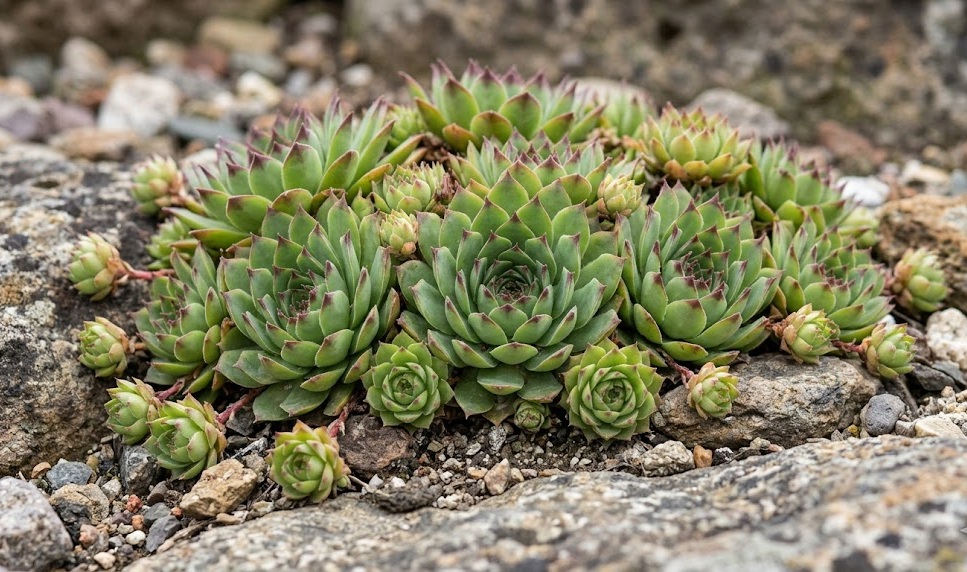

While the common houseleek is an exceptionally robust plant, it is not entirely immune to the challenges of diseases and pests. Most health issues arise when the plant’s environmental conditions are suboptimal, particularly in cases of excessive moisture or poor air circulation. A professional gardener must be able to identify the early warning signs of distress to intervene before a small problem becomes a colony-wide crisis. Maintaining a clean growing environment and monitoring your plants regularly are the most effective strategies for long-term health.
Root rot is the most common and devastating disease affecting this species, usually caused by various soil-borne fungi that thrive in wet conditions. When the roots are constantly submerged in water, they lose their ability to take up oxygen and begin to decay. This decay quickly spreads upward into the main stem and the fleshy leaves, leading to a total collapse of the rosette. If you notice a foul smell or a darkening at the base of the plant, it is likely that root rot has already taken hold.
To manage root rot, the affected plant must be removed from the soil immediately to prevent the fungus from spreading to neighboring rosettes. Any mushy or blackened tissue should be cut away with a sterile blade until only healthy, firm tissue remains. The surviving portions should be allowed to dry in the air for several days to form a callus before being replanted in fresh, sterile, well-draining substrate. Prevention is always better than cure, so ensuring perfect drainage is the best defense against this silent killer.
Crown rot is a similar fungal issue that starts at the top of the plant rather than the roots, often caused by water sitting in the center of the rosette. This is particularly common in areas with high humidity or during prolonged periods of cool, rainy weather. The center of the plant will turn brown or black, and the new leaves will easily pull away from the core. Improving air circulation and ensuring that the foliage stays as dry as possible are the primary ways to prevent this unsightly and fatal condition.
Recognizing and managing common insect pests
The most frequent insect pest encountered by houseleek enthusiasts is the vine weevil, specifically its subterranean larvae. These small, C-shaped grubs live in the soil and feed on the roots and the base of the rosettes during the autumn and winter months. A sudden wilting of a plant that was previously healthy is often the first sign that the roots have been severely damaged. If you can lift a rosette easily from the ground with no roots attached, vine weevils are the likely culprits.
More articles on this topic
Dealing with vine weevil larvae involves a combination of manual removal and the use of biological controls. If you find grubs while transplanting, they should be destroyed immediately to prevent them from maturing into egg-laying adults. Beneficial nematodes can be applied to the soil in late summer and early autumn to naturally parasitize the larvae. This organic approach is highly effective and does not harm the beneficial insects or the plants themselves.
Mealybugs are another pest that can occasionally be found hiding in the tight crevices between the succulent leaves. These insects are easily identified by the white, cottony protective wax they produce around themselves as they feed on the plant’s sap. Their feeding can cause stunted growth and a general decline in the plant’s vigor over time. Because of their waxy coating, they are somewhat protected from many topical treatments, requiring a more direct approach for removal.
A simple and effective way to deal with a small mealybug infestation is to use a cotton swab dipped in rubbing alcohol to dab the individual insects. The alcohol dissolves the protective wax and kills the pest instantly without damaging the plant’s tough epidermis. For larger colonies, an insecticidal soap can be used, but it must be applied thoroughly to ensure it reaches into the center of the rosettes. Regularly inspecting your plants, especially the new growth and the underside of the leaves, will help you catch these pests early.
Environmental stressors and physiological disorders
Sometimes, the issues appearing on your houseleeks are not caused by pathogens or insects, but by environmental stress. Edema is a physiological disorder that occurs when the plant takes up water faster than it can use or transpire it. This causes the internal cells to burst, resulting in small, corky bumps or scars on the surface of the leaves. While edema is not contagious and does not kill the plant, it can permanently disfigure the foliage and indicates a need for better moisture management.
More articles on this topic
Sunscald is another common environmental problem, appearing as bleached or papery patches on the leaves that face the afternoon sun. This typically happens when a plant that has been in a shaded area is suddenly moved into intense, direct sunlight without a period of acclimation. While the common houseleek loves the sun, its tissues need time to build up protective pigments and thicken their cuticle. Providing temporary shade and gradually increasing exposure can prevent this unsightly damage.
Extreme cold can also cause physical damage, even in a plant as hardy as the houseleek, particularly if the freeze is sudden and severe. While the rosettes are often fine, the water inside the cells can freeze and expand, leading to leaf splitting or a blackened appearance once they thaw. In most cases, the plant will recover as long as the growing point in the center remains intact. Removing the damaged outer leaves in the spring will allow the plant to focus its energy on fresh, healthy growth.
Nutrient imbalances can also manifest as symptoms that mimic diseases, such as unusual leaf spotting or chlorosis. A lack of certain micronutrients might cause the new growth to appear yellow or distorted, even if the plant is receiving adequate light and water. Conversely, an excess of certain minerals can cause chemical burns at the tips of the leaves. Understanding the specific needs of your soil and providing a balanced environment is crucial for avoiding these non-pathogenic health issues.
Preventive measures and garden hygiene
The most effective way to keep your houseleeks healthy is to practice rigorous garden hygiene and preventive care. Always use clean, sterilized tools when dividing rosettes or removing dead foliage to avoid introducing bacteria or fungi. If you are bringing new plants into your garden, it is wise to quarantine them for a few weeks to ensure they are not carrying any hidden pests. This simple step can prevent a massive outbreak that could take years to fully eradicate from your collection.
Maintaining a clear space around your plants by removing fallen leaves and debris helps eliminate hiding spots for pests like slugs and snails. These mollusks can chew large holes in the fleshy leaves of houseleeks, especially during damp nights or in the early spring. A border of sharp grit or crushed shells around your succulent beds can act as a physical deterrent. Keeping the area tidy also improves airflow, which is your best natural defense against most fungal diseases.
Crop rotation or soil refreshment is also a professional technique that can be applied to succulent gardening. If you have had a significant disease issue in a specific spot, it is best not to replant houseleeks there immediately. Either replace the soil entirely or choose a different species for that location for a few seasons to break the life cycle of the pathogens. This proactive approach ensures that your garden remains a healthy environment for all your plants.
Regularly monitoring the health of your colony is a rewarding habit that allows you to connect more deeply with your garden. By observing the subtle changes in color, texture, and growth, you will become an expert at reading the plant’s needs. A healthy houseleek is a beautiful sight, and with the right preventive care, it will remain so for many years. Your dedication to their well-being is what ensures these ancient plants continue to thrive in our modern landscapes.
Long-term strategies for a resilient collection
Building a resilient collection of common houseleeks involves choosing varieties that are well-suited to your specific local climate. Some cultivars have been bred for enhanced disease resistance or better tolerance for humidity, making them easier to maintain in certain regions. Researching the parentage and characteristics of the plants you buy can save you a lot of frustration in the long run. A diverse collection also ensures that if one variety is particularly susceptible to a pest, others may remain unaffected.
Encouraging natural predators in your garden is another professional strategy for managing pests without the use of harsh chemicals. Ladybugs, lacewings, and predatory mites are all valuable allies in the fight against aphids and mealybugs. Providing a diverse habitat with other flowering plants can attract these beneficial insects and keep your succulent pests in check. This ecological approach to gardening creates a self-sustaining system that requires less intervention from you.
Education and sharing knowledge with other gardeners is also a vital part of maintaining a healthy collection. Joining a local succulent society or participating in online forums can provide you with early warnings about regional pest outbreaks or new disease threats. Often, other growers have developed innovative solutions to common problems that you can adapt for your own garden. The community of houseleek enthusiasts is a great resource for anyone looking to professionalize their gardening skills.
Ultimately, the health of your houseleeks is a reflection of the care and attention you provide throughout the year. While challenges will inevitably arise, a calm and informed response will usually resolve most issues before they become terminal. By treating every problem as a learning opportunity, you will grow as a gardener alongside your plants. The common houseleek is a survivor, and with your help, it will continue to be a resilient and beautiful part of your horticultural legacy.