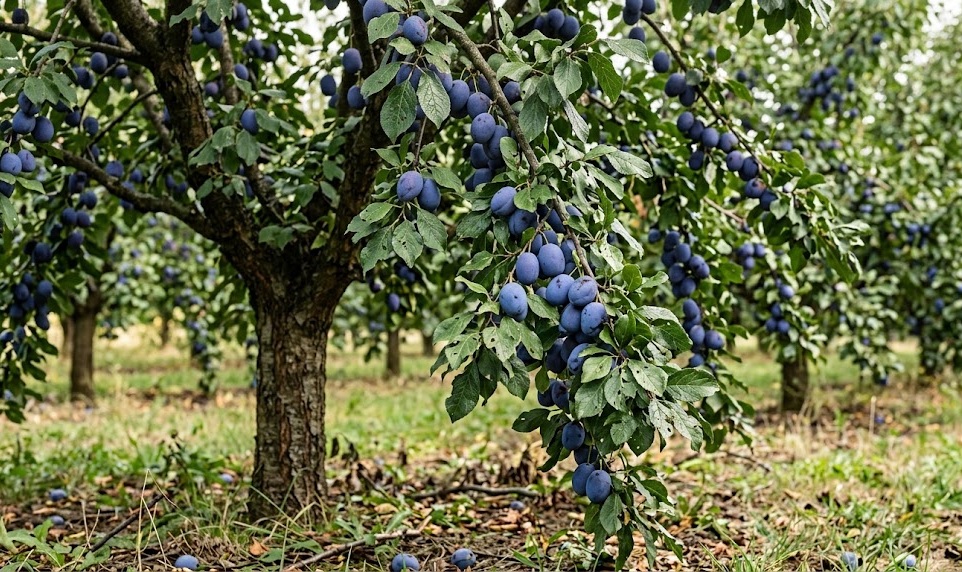

The relationship between light and the growth of a plum tree is one of the most fundamental aspects of horticulture. Sunlight provides the energy necessary for photosynthesis, which in turn fuels the production of wood, leaves, and most importantly, fruit. Understanding how to manage light exposure through site selection and canopy management is essential for any professional grower. This article explores the light requirements of plum trees and how to ensure they receive the optimal amount for success.
The importance of full sun for plum production
Plum trees are classified as plants that require full sun, which generally means at least six to eight hours of direct sunlight each day. Without adequate light, the tree’s ability to produce sugars through photosynthesis is severely limited, resulting in poor growth and low fruit quality. Sunlight is also crucial for the development of flower buds for the following year’s crop. A tree growing in too much shade will often become “leggy” as it stretches toward the light, making it structurally weak.
In addition to fueling growth, direct sunlight plays a vital role in the ripening process and the development of flavor in the fruit. Plums that receive plenty of sun tend to be sweeter, more colorful, and higher in essential vitamins. The UV rays from the sun also help to toughen the skin of the fruit, making it more resistant to certain pests and diseases. If the canopy is too dense and blocks light from the inner branches, the fruit in those areas will often be pale and sour.
Light also has a significant impact on the microclimate within the tree’s canopy and the surrounding soil. Sunlight helps to dry the leaves and fruit after rain or morning dew, which is a key factor in preventing fungal diseases like brown rot. A well-lit orchard environment is generally less hospitable to many pathogens that thrive in damp, shaded conditions. Proper light exposure is therefore a primary tool in integrated pest and disease management.
When choosing a planting site, it is important to consider how the light patterns in your garden change throughout the seasons. A spot that seems sunny in the height of summer might be in deep shade during the spring when the tree is blooming. Observe the movement of shadows from buildings, fences, and larger trees to ensure your plum tree will have the light it needs year-round. This forward-thinking approach is essential for the long-term productivity of your orchard.
More articles on this topic
Spacing and orientation for maximum light penetration
The spacing between plum trees is a critical factor that determines how much light each individual tree can capture. If trees are planted too close together, they will eventually begin to shade each other out, leading to reduced yields and poor health in the lower branches. The ideal spacing depends on the variety of plum and the type of rootstock it is grown on. Dwarfing varieties can be planted closer together, while standard trees need significantly more room to spread their canopies.
Orientation of the tree rows can also influence light distribution, especially in larger orchard settings. In many regions, planting rows in a north-south orientation is preferred because it allows both sides of the tree to receive equal sunlight as the sun moves across the sky. This ensures that the entire canopy is productive and that no single part of the tree is chronically shaded. For home gardeners with only a few trees, placing them on the south or west side of the property is often the best strategy.
As the trees mature, it is important to monitor how their expanding canopies are affecting the light levels in the surrounding garden. You may need to prune back other nearby vegetation or even remove competing trees to maintain the necessary light for your plum orchard. Sunlight is a finite resource in any garden, and prioritizing its distribution to your fruit-producing trees is a key part of management. Regular observation of light patterns will help you make these decisions effectively.
Managing the ground cover beneath the trees is another way to optimize the light environment in the orchard. While grass is common, some growers use reflective mulches or light-colored stones to bounce additional light up into the lower parts of the canopy. This technique can be particularly helpful for improving the quality of fruit on the bottom branches of large trees. Every bit of light that can be captured and utilized by the tree contributes to its overall vigor and productivity.
More articles on this topic
Managing the canopy for light distribution
Pruning is the most direct way to manage light penetration within the canopy of a plum tree. The goal of structural pruning should be to create an “open” architecture that allows sunlight to reach the center of the tree. Techniques like the open-center or vase shape are particularly popular for plums as they remove the central leader and encourage outward growth. This ensures that every fruiting spur has access to the light it needs to produce high-quality plums.
Thinning out the small, crowded branches in the upper canopy is another essential task for light management. These “water sprouts” and dense clusters of twigs can act as a screen, preventing light from reaching the lower and inner parts of the tree. By selectively removing this excess growth, you can maintain a productive fruiting zone throughout the entire volume of the canopy. Summer pruning is often used specifically for this purpose, as it reduces the vigor of the tree and improves light access during the ripening period.
Regularly assessing the light levels inside the canopy during the growing season can help you identify areas that need attention. If you notice that the leaves in the center of the tree are turning yellow or falling off, it is a clear sign that they are not receiving enough light. Addressing these issues through targeted pruning will not only improve fruit quality but also strengthen the overall health of the tree. A well-managed canopy is a balanced system where light, air, and fruit all have their place.
Finally, remember that the light requirements of a plum tree are not static and will change as the tree grows and the surrounding landscape evolves. What was a perfect, sunny spot ten years ago might now be shaded by a neighbor’s new house or a rapidly growing evergreen. Being prepared to adapt your care routine and pruning strategy to these changing conditions is the mark of an experienced gardener. Providing consistent, high-quality light is the best way to ensure your plum trees thrive for decades.
Managing light exposure is indeed the cornerstone of high-quality plum production. I’ve noticed that even in well-spaced orchards, the inner canopy often suffers from insufficient Photosynthetically Active Radiation (PAR). This lack of light leads to the death of interior fruiting spurs, which gradually pushes the fruit production to the periphery of the tree. By utilizing a central leader system or an open vase shape, we can maximize the distribution of light to these critical areas. It’s not just about total sunlight hours, but the quality and penetration of that light into the lower branches. Have you conducted any studies on how different training systems affect the brix levels in common plum varieties? I suspect the light management strategy has a direct correlation with the final sugar content of the fruit. This article provides a solid foundation for anyone looking to optimize their orchard’s performance.
Dr. Fischer, your point about the death of interior fruiting spurs is spot on. I’ve recently started implementing summer pruning specifically to address this light penetration issue. By removing the vigorous “water sprouts” in July, I’ve seen a noticeable improvement in the color of the inner fruit. It also seems to help with air circulation, which reduces our fungal pressure. Do you think summer pruning is more effective than dormant pruning for light management alone? It feels like the physiological response is quite different between the two seasons.
The relationship between reflected light and fruit coloration is something I’ve been researching lately for our commercial plum rows. We have experimented with using reflective ground covers, like white plastic or specialized aluminized fabrics, to bounce light back into the lower canopy. The results show a much more uniform ripening process, especially for varieties that require high light intensity for deep pigment development. It is fascinating how the placement of a tree relative to its neighbors can create such significant micro-climates of light. This article correctly identifies site selection as a primary factor, but I think we can manipulate existing sites more than people realize. For instance, the angle of the slope can be compensated for by adjusting our row orientation to a North-South axis. This ensures that both sides of the tree receive adequate exposure throughout the day. I would be curious to hear about the economic viability of these reflective covers in larger orchards. Is the increase in fruit quality worth the additional setup cost and maintenance? These are the kinds of technical questions that keep us professional growers busy!
When selecting a new site for a plum plantation, I always prioritize the aspect of the land above almost everything else. South-facing slopes are generally preferred in our cooler climate to maximize early-season warmth and light. However, we must be careful about early blooming and subsequent frost damage if the trees wake up too soon. This article highlights the fundamental energy of photosynthesis, which is a great reminder for beginners and pros alike.
That is a very fair point regarding the risk of early blooming on southern slopes. I have actually had more consistent success on slightly north-facing slopes because the delay in flowering protects the crop from late spring frosts. While the total light might be slightly less, the survival rate of the blossoms is much higher. Of course, this requires much more aggressive canopy thinning to make up for the lower light intensity. It’s always a trade-off between heat accumulation and environmental safety. Have you tried using frost blankets in conjunction with your southern slope strategy?
In high-density planting systems, light competition becomes the most significant limiting factor for yield. We’ve moved toward using dwarfing rootstocks specifically because they allow for better light penetration through a smaller, more manageable canopy. The excerpt mentions canopy management as essential, and I couldn’t agree more. If the tops of the trees are allowed to shade the bottoms, the lower wood becomes unproductive within just a few years. What is your preferred pruning method for maintaining light in a high-density spindle system?