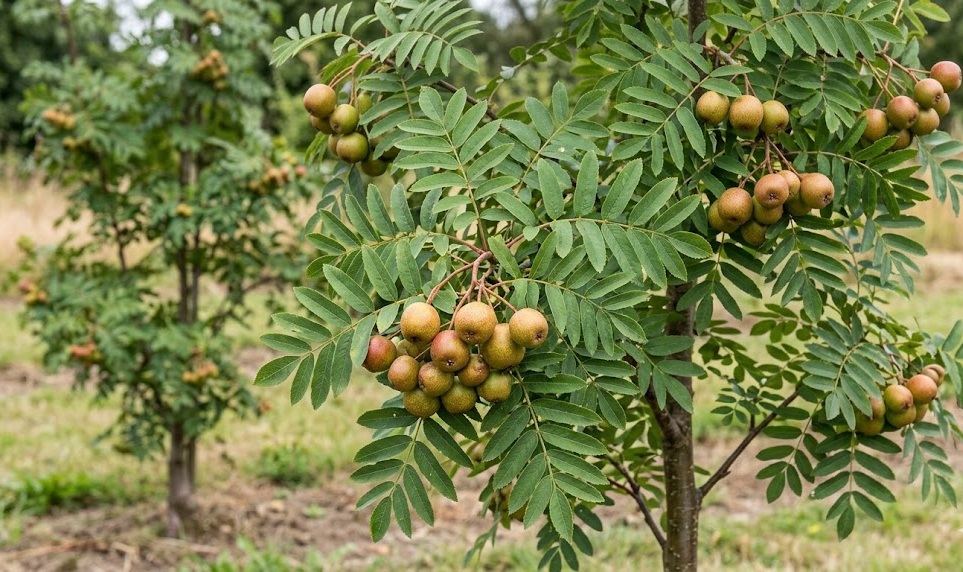

Pruning is a specialized horticultural skill that is essential for maintaining the health, structure, and productivity of a service tree. This species is known for its relatively slow growth and long life, meaning that the decisions you make during pruning will have consequences for many years. The primary goals are to create a strong framework, ensure good air circulation, and promote the production of high-quality fruit. By following professional standards, you can guide the tree’s development without causing unnecessary stress or damage.
The timing of pruning is one of the most important considerations for any professional gardener or orchardist. For the service tree, the best time to prune is during the dormant season, typically in late winter or very early spring before the sap begins to flow. Pruning at this time allows you to see the branch structure clearly without the obstruction of leaves. It also minimizes the risk of spreading certain diseases that are more active during the warmer, wetter months of the growing season.
When performing any pruning task, you must use sharp, high-quality tools that are properly cleaned and disinfected. Clean cuts heal much faster and are less likely to become entry points for fungal or bacterial pathogens. You should avoid the use of pruning paints or sealants, as modern research shows that trees heal better when the natural compartmentalization process is allowed to happen. Understanding the basic biology of how a tree responds to a cut is fundamental to a professional approach.
A conservative approach is generally best when it comes to the service tree, as it does not always respond well to heavy or aggressive pruning. You should aim to remove only what is necessary to achieve your specific goals, whether that is structural improvement or health maintenance. Regularly scheduled, minor pruning is much better for the tree’s longevity than infrequent, major interventions. This consistent and thoughtful management ensures that the tree remains a vibrant and productive part of the landscape.
Structural pruning and framework development
The first few years of a service tree’s life are the most critical time for establishing a strong and balanced branch structure. Your goal should be to encourage a single, strong central leader that will form the main trunk of the mature tree. You should identify and remove any competing vertical shoots that might create weak “V-shaped” unions. These structural corrections are much easier and less traumatic for the tree when the branches are still small.
More articles on this topic
Spacing the main scaffold branches evenly around the trunk and along its height is another key objective of early structural pruning. You want to avoid having several large branches originating from the same point on the trunk, as this can lead to structural failure as the tree grows. Selecting branches with wide attachment angles ensures that the unions are strong and can support the weight of future fruit crops. This careful architecture is the foundation of a healthy and long-lived specimen.
Regularly monitoring the growth of the young tree allows you to make small adjustments as needed throughout the year. You might occasionally use “pinch pruning” or minor summer trimming to slow down overly vigorous shoots and redirect the tree’s energy. This proactive approach reduces the amount of larger wood that needs to be removed during the winter dormant season. A well-trained young tree will require much less maintenance as it reaches maturity and begins to bear fruit.
As the tree matures, the focus of structural pruning shifts to maintaining the existing framework and ensuring it remains safe and stable. You should look for any branches that have become too long or heavy and may be at risk of breaking during a storm. Shortening these limbs back to a strong lateral branch can reduce the leverage and help prevent structural damage. Professional structural management is about anticipating potential problems and addressing them before they occur.
Maintenance trimming and canopy health
Once the main structure of the service tree is established, pruning becomes more about maintenance and the preservation of health. This involves the regular removal of what professionals call the “three Ds”: dead, damaged, or diseased wood. These branches serve no purpose for the tree and can often be the starting point for more serious health issues if left in place. Removing them promptly ensures that the tree can focus its energy on healthy, productive tissues.
More articles on this topic
Thinning the canopy is another important maintenance task that improves air circulation and light penetration. You should look for branches that are growing toward the center of the tree or those that are crossing and rubbing against each other. Removing these interior branches opens up the canopy, which helps the foliage dry more quickly and reduces the risk of fungal infections. It also ensures that the fruit in the center of the tree receives enough light to ripen properly.
Maintaining a clear space between the lower branches and the ground is often desirable, especially in garden or park settings. This process, known as “skirting” or “crown lifting,” involves removing the lowest limbs to provide clearance for maintenance equipment or pedestrian access. You should perform this gradually over several years to avoid removing too much of the tree’s total foliage at once. A well-lifted crown can also improve the overall aesthetic appearance of the service tree.
You should also keep an eye out for “suckers” growing from the base of the tree or “water sprouts” that shoot up vertically from the main branches. these fast-growing, vigorous shoots often take energy away from the more desirable parts of the tree and can clutter the canopy. Removing them as soon as they appear is a simple and effective way to keep the tree looking tidy and focused on productive growth. Professional maintenance is characterized by this regular, light touch that keeps the tree in its ideal state.
Rejuvenation and handling mature trees
Older service trees may occasionally require more significant pruning to restore their vigor or address long-term structural issues. This rejuvenation process should be spread out over several years to avoid shocking the tree or stimulating an excessive flush of weak new growth. The goal is to gradually remove old, unproductive wood and encourage the development of fresh, healthy branches. This careful renewal can extend the productive life of a valuable specimen by many years.
When pruning mature trees, you must be extremely careful not to make large cuts that the tree may struggle to seal. A mature service tree has a much slower metabolic rate than a young one, and large wounds can remain open for a long time, increasing the risk of rot. Whenever possible, keep your cuts small and focus on thinning the outer parts of the canopy rather than removing major limbs. Professional arborist techniques, such as the three-cut method for heavy branches, are essential for preventing bark tearing and promoting proper healing.
Assessing the overall balance and weight distribution of a mature tree is another important professional task. Over many decades, a tree can develop heavy limbs that put significant stress on the main trunk or root system. Targeted thinning or reduction of these heavy branches can improve the tree’s stability and reduce the risk of limb drop. This structural management is particularly important for trees growing near buildings or in areas where people frequently gather.
Finally, you should respect the natural form and character of the service tree, which is often its greatest asset. Avoid “topping” or shearing the tree, as these practices are highly damaging and result in a weak, unattractive growth habit. A professionally pruned tree should look natural and well-proportioned, with its characteristic silhouette preserved. By working with the tree’s natural tendencies, you can ensure it remains a healthy, beautiful, and productive part of the landscape for its entire lifespan.