
Pruning and cutting back lilyturf is a straightforward yet essential task that keeps this perennial looking its professional best year after year. Unlike many other grasses and grass-like plants, lilyturf is evergreen, meaning it does not naturally die back to the ground each winter. However, the older foliage eventually becomes tattered, brown, or simply less vibrant, requiring human intervention to refresh the clump. Mastering the timing and technique of this annual rejuvenation is the key to a lush and healthy garden display.
Professional gardeners approach pruning as a strategic act that stimulates the plant’s natural growth cycles rather than just a cosmetic fix. By removing the old and tired leaves, you make room for the fresh, new growth that emerges from the center of the crown. This process also allows more light and air to reach the heart of the plant, which is vital for preventing disease and promoting overall vigor. A clean and well-pruned plant is far more resilient to the stresses of the coming summer months.
The tools used for this task should be sharp, clean, and appropriately sized for the scale of the job at hand. For a few individual clumps, a good pair of handheld bypass pruners or garden shears will be more than sufficient for the task. For larger, meadow-like installations, some professionals use string trimmers or even lawnmowers set to a high deck height. Choosing the right mechanical approach ensures that the work is performed efficiently and without causing undue damage to the plant.
Safety and hygiene are also important considerations when performing any major pruning or cutting back in the landscape. Always wear gloves to protect your hands from the slightly sharp edges of the lilyturf leaves and any hidden garden pests. It is also good practice to clean your cutting tools with a disinfectant before moving from one area of the garden to another. This prevents the accidental transfer of any lingering fungal spores or bacterial pathogens that could affect the new spring growth.
Annual trimming schedule
The ideal time to cut back lilyturf is in the late winter or very early spring, just before the first signs of new growth begin to appear. In most regions, this window occurs between late February and mid-March, depending on the local climate and weather patterns. Cutting the plant back during this time ensures that the old leaves are removed before the new shoots emerge from the soil. If you wait too long, you risk accidentally cutting off the tips of the new foliage, which will leave permanent scars for the rest of the season.
More articles on this topic
Observing the weather and the plant’s condition is the most professional way to determine the exact date for your annual trimming. Look for the period when the worst of the winter cold has passed but the spring warmth has not yet fully triggered active growth. If you see tiny green nubs starting to peek out from the base of the plant, it is time to act immediately. This precision in timing is what separates a high-end landscape service from a more casual approach to garden maintenance.
In some milder climates where the foliage stays perfectly green all winter, you may decide that a total cutback is not necessary every single year. In these cases, you can simply “groom” the plants by removing only the individual leaves that have become damaged or browned at the tips. This selective pruning preserves more of the plant’s immediate structural impact while still keeping it looking tidy and fresh. However, even in these areas, a complete reset every three or four years is often beneficial for the plant’s long-term health.
The frequency of pruning can also be influenced by the specific variety of lilyturf you are growing in your garden or agricultural site. Some cultivars are more vigorous and produce a lot of old material that needs to be cleared away annually for best results. Others are slower-growing and may only need a light tidying up to look their best for the coming season. Understanding the specific habits of your plants allows you to tailor your maintenance schedule to their unique needs.
Tidying and cleaning
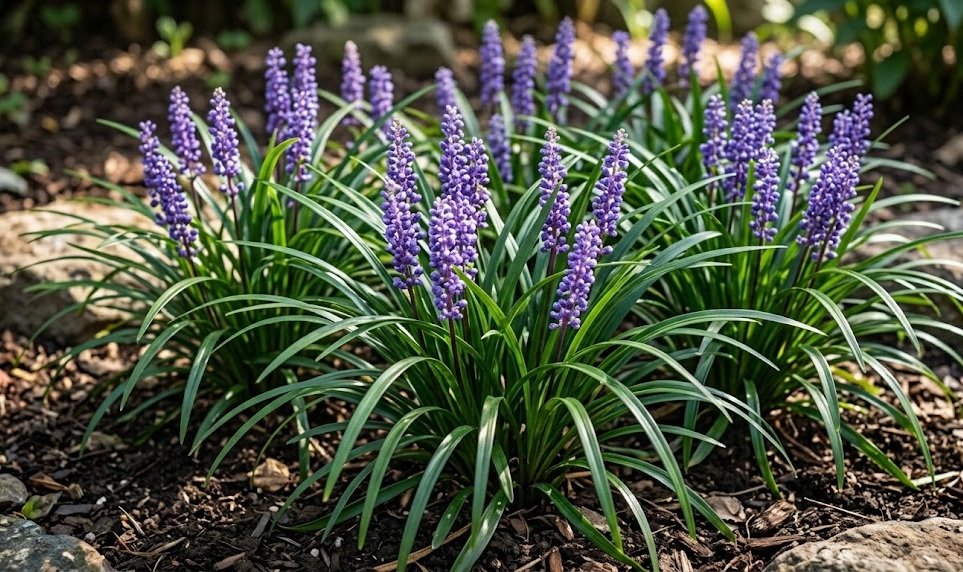
Beyond the major annual cutback, there are several “tidying” tasks that a professional gardener performs throughout the growing season. After the beautiful purple flower spikes have finished their display in the late summer, they will eventually turn brown and start to produce dark berries. While some people enjoy the look of the berries, others prefer to remove the spent flower stalks to maintain a cleaner aesthetic. This “deadheading” can be done quickly with a pair of small snips and keeps the focus on the lush foliage.
More articles on this topic
Cleaning the interior of the clumps is another important part of the tidying process, especially for older and larger plants. Over time, dead leaves, twigs, and other debris can get trapped deep within the dense arching foliage of the lilyturf. This trapped material can create a moist environment that favors the development of rot or provides a home for unwanted pests like slugs. Reaching into the clumps and gently pulling out this debris helps the plant breathe and stay healthy.
If you notice individual leaves that have become yellowed or spotted during the summer, these should be removed as part of your regular maintenance routine. This is not just for looks; it also helps to prevent any potential diseases from spreading to the healthy parts of the foliage. Simply follow the leaf down to the base and cut it off cleanly with your pruners, being careful not to nick the surrounding healthy leaves. Consistent grooming prevents small issues from turning into major aesthetic problems for the entire garden bed.
The edges of the planting area also require attention to keep the landscape looking sharp and professional. Because lilyturf is a clumping plant, it doesn’t run like some other groundcovers, but the leaves can eventually hang over paths or walkways. Trimming back these overhanging leaves creates a clean, intentional edge that highlights the design of the garden. This small finishing touch is what gives a landscape that “manicured” and high-end feel that clients and observers appreciate.
Heavy rejuvenation pruning
If a planting of lilyturf has been neglected for several years, it may require a more aggressive approach known as rejuvenation pruning. This is necessary when the clumps have become so thick and matted that they are no longer producing healthy new growth in the center. In these cases, cutting the entire stand down to about two inches from the ground is the best way to hit the “reset” button. While it may look a bit bare for a few weeks, the plants will respond with a flush of incredibly vigorous and uniform new foliage.
Rejuvenation is also a great time to address any soil issues that may have developed in the garden bed over time. With the foliage cleared away, you can easily add a layer of fresh compost or soil amendments to the entire area. This injection of nutrients and organic matter will fuel the rapid regrowth of the plants and improve the soil structure for years to come. Professional gardeners use these moments of “hard pruning” as an opportunity for total site improvement.
In some cases, rejuvenation pruning might be combined with the division of the clumps to reduce overcrowding in the bed. If the plants have grown so large that they are competing with each other for space and resources, it is time to thin them out. Digging up every third or fourth clump and replanting them elsewhere will give the remaining plants the room they need to thrive. This strategic thinning is an essential part of long-term landscape management and ensures the health of the entire plant community.
After a heavy rejuvenation cutback, it is vital to keep the area well-watered and protected from extreme environmental stress. The plants are temporarily more vulnerable as they put all their energy into producing a completely new set of leaves from the roots. Once the new growth has reached about half its mature height, you can resume your regular fertilization and maintenance routine. This professional “tough love” results in a garden that looks brand new and stays healthy for many more years.