
Pruning is a vital maintenance task that keeps lamb’s ear looking its best and prevents it from becoming an untidy mess in the garden. This process is not just about aesthetics; it also plays a significant role in the health and longevity of the plant colony. By removing old, damaged, or spent growth, you are encouraging the plant to focus its energy on producing fresh, vibrant silver leaves. Mastering the professional techniques for cutting back this perennial will ensure that your garden remains a polished and attractive space.
Deadheading and managing flower stalks
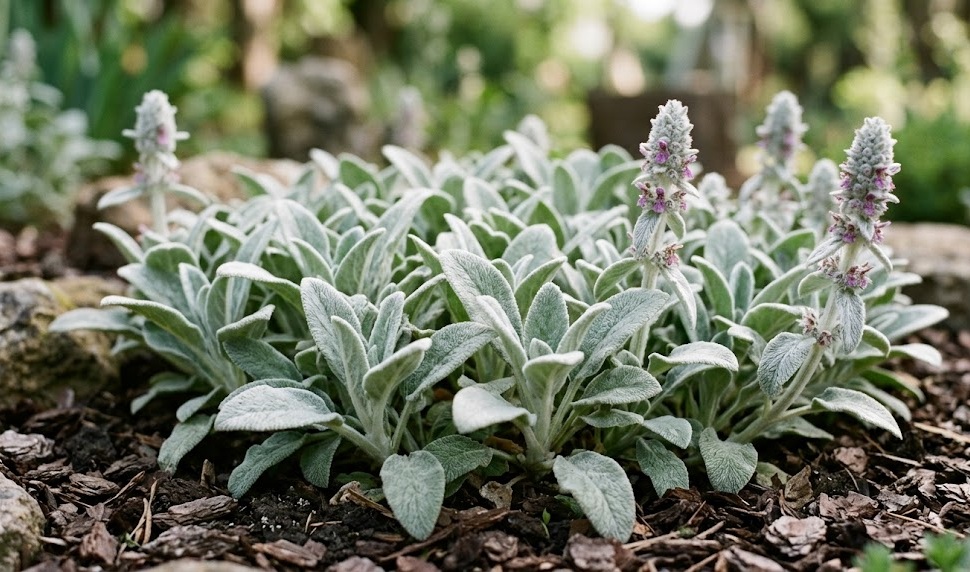
While lamb’s ear is primarily grown for its foliage, most varieties will send up tall flower spikes during the summer months. These spikes are covered in small, fuzzy purple flowers that can be quite charming but often become top-heavy and unsightly as they fade. Deadheading, or the removal of these spent flower stalks, is a key task for any gardener who wants to maintain a neat appearance. This should be done as soon as the flowers begin to wither and the stalks start to turn brown.
To deadhead correctly, you should trace the flower stalk down to its base, where it emerges from the foliage mat. Use a sharp pair of clean pruning shears to make a clean cut as close to the crown as possible without damaging the surrounding leaves. Removing the entire stalk, rather than just the top, prevents the plant from looking like it has “stubble” and encourages a cleaner look. This practice also prevents the plant from putting energy into seed production, which keeps the foliage more vigorous.
Some gardeners prefer to remove the flower spikes as soon as they appear, especially if they are growing the plant strictly for its groundcover effect. This “early pruning” ensures that the silver carpet remains at a consistent height and doesn’t get interrupted by the vertical stalks. If you choose to do this, you can catch the young spikes when they are only a few inches tall and easily snip them off. This is a common professional practice in high-maintenance landscapes where a specific visual order is required.
If you decide to leave the flowers for the pollinators, be prepared to do a thorough cleanup once the blooming period is over. The stalks can become quite woody and may even fall over, smothering the leaves beneath them if left unattended. A late-summer pruning to remove these stalks will give the plant a chance to recover and produce a fresh flush of foliage before the autumn. Balancing the needs of wildlife with the aesthetic goals of your garden is a personal choice that every gardener must make.
More articles on this topic
Removing damaged and aged foliage
Throughout the growing season, the lower leaves of the lamb’s ear will naturally age, turn brown, and eventually die off. Because the plant grows in a dense mat, these old leaves can become trapped underneath the new growth, where they may rot and attract pests. Regularly clearing away this tattered foliage is an essential part of keeping your silver border healthy. This task is best done by hand, gently pulling away the loose, dried leaves from the base of the plant.
In addition to natural aging, environmental factors like heavy rain or physical trampling can damage the soft leaves. If you notice leaves that are torn, crushed, or showing signs of fungal spotting, it is best to remove them immediately. This prevents any potential diseases from spreading and keeps the surface of the plant looking pristine. Using a sharp pair of shears for any stubborn stems will ensure you don’t accidentally pull up the shallow-rooted plant.
Spring is the most important time for a major foliage cleanup, as the plants emerge from their winter dormancy. You will likely find a significant amount of “winter burn” or flattened, gray leaves that survived the snow but are no longer attractive. Cutting these back to the ground will make room for the bright, new silver shoots that are just starting to push through the soil. This annual “reset” is the secret to having a lamb’s ear patch that looks brand new every single year.
During the hot, humid days of summer, you should keep an eye out for “melting” foliage, where the leaves become mushy and dark. This is often a sign of poor air circulation or excessive moisture and requires immediate intervention. Prune away the affected leaves and consider thinning the entire clump to allow more air to move through the center. Taking these small, proactive steps will save you from much larger problems down the road and keep your plants thriving.
More articles on this topic
Rejuvenation pruning for older patches
After several years of growth, a lamb’s ear colony can become overly congested, leading to a decline in vigor and a “hollow” appearance in the center. This is a clear signal that the plant needs more than just a light trim; it needs a proper rejuvenation pruning. This involves a more aggressive approach to thinning out the patch and encouraging new growth from the roots. Professional gardeners often perform this task every three to four years to keep their borders looking youthful.
The best way to rejuvenate an old patch is to combine pruning with the process of division in the early spring. Dig up the entire clump and use a sharp spade or knife to cut away the old, woody center of the plant. You will be left with several healthy, vigorous sections from the outer edges of the original colony. Replant these sections with plenty of space between them, and they will quickly grow to fill the area with fresh, high-quality foliage.
If you don’t want to dig up the whole plant, you can achieve a similar effect by selectively removing the oldest stems from within the mat. Look for the thickest, most leafless parts of the plant and cut them back as far as possible to encourage new runners to take their place. This “thinning from within” improves air circulation and light penetration, which are vital for the health of the remaining leaves. It is a more subtle way to maintain the vitality of your groundcover without a complete replanting.
Consistency in your pruning habits will prevent the need for drastic measures in the future. By spending just a few minutes each month during the growing season to tidy up your lamb’s ear, you are investing in its long-term health. The plant is remarkably resilient and responds very well to being cut back, so do not be afraid to be firm with your shears. A well-pruned lamb’s ear is a testament to the care and expertise of the gardener who maintains it.