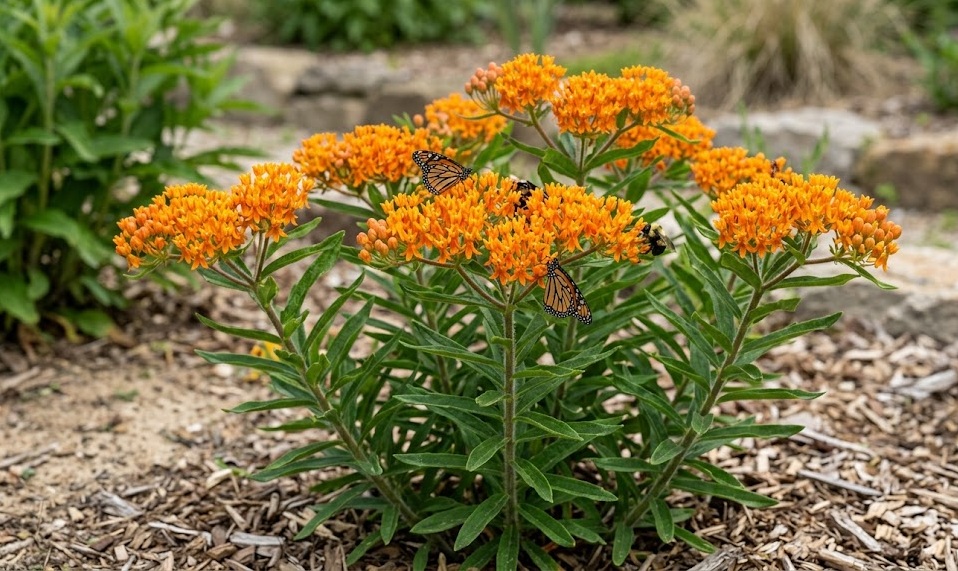

Caring for this vibrant perennial requires a deep understanding of its unique biological needs and environmental preferences. Unlike many other garden flowers, this species thrives on a degree of neglect once it has established its deep taproot system. Gardeners often appreciate its resilience and the way it anchors a sunny border with brilliant orange hues throughout the summer months. Providing the right foundation is the most critical step in ensuring the long-term health and vitality of the plant.
Establishing the correct site conditions is the primary factor in successful cultivation over several seasons. These plants are remarkably hardy once they find a spot that mimics their natural prairie or meadow habitats. They prefer soil that is not overly rich, as high nitrogen levels can actually lead to weaker stems and fewer blooms. Observing the natural drainage of your garden will help you determine if the location is suitable for this drought-tolerant beauty.
Soil structure plays a vital role in how the root system develops and sustains the plant during periods of stress. Ideally, the substrate should be sandy or gravelly to allow for rapid moisture movement away from the crown. Heavy clay soils can be problematic because they retain too much water during the dormant winter season. If you are working with heavy soil, consider amending it with organic matter or grit to improve the overall aeration.
The lifecycle of the plant is closely tied to the seasonal changes in temperature and light availability. In the early spring, you might notice that it is one of the last perennials to emerge from the ground. This late start is a natural defense mechanism against late frosts that could damage tender new growth. Once the soil warms up sufficiently, the shoots will grow rapidly to prepare for the mid-summer flowering peak.
Managing growth and environmental stressors
Maintenance during the peak growing season involves monitoring for stability and overall plant vigor. While the stems are generally sturdy, plants grown in slightly shaded areas may require some mechanical support. Staking can prevent the heavy flower heads from drooping after intense summer rainstorms or high winds. A well-placed ring or bamboo stake can provide the necessary structure without detracting from the natural aesthetic.
More articles on this topic
Pollinator support is one of the most rewarding aspects of maintaining this particular species in a domestic landscape. The nectar is highly accessible and provides a rich energy source for various species of bees and wasps. Most importantly, the foliage serves as a critical food source for larvae of specific migratory butterflies. Balancing the cosmetic appearance of the plant with its ecological function is a key skill for any modern gardener.
Spatial management is necessary because these perennials do not like to be crowded by aggressive neighbors. They appreciate good air circulation, which helps prevent the development of foliar diseases during humid weather. When planning your garden layout, ensure there is enough room for the plant to reach its full mature width. This breathing room also makes it easier for you to access the base of the plant for occasional weeding.
Long-term sustainability in the garden is achieved by allowing the plant to follow its natural reproductive cycle. While deadheading can encourage a second flush of smaller blooms, leaving some seed pods can be beneficial. The architectural interest of the pods adds a unique dimension to the garden during the late autumn months. Furthermore, allowing some seeds to mature ensures that you may have new seedlings appearing in subsequent years.
Advanced cultivation techniques for vitality
Professional growers often focus on the mineral balance of the soil to enhance the intensity of the floral colors. While they are not heavy feeders, a light application of phosphorus-rich amendment in early spring can boost bloom production. Avoid high-nitrogen fertilizers that promote excessive green growth at the expense of the iconic orange flowers. Understanding this balance is what separates a casual hobbyist from a truly expert horticulturalist.
More articles on this topic
Watering schedules must be adjusted as the plant matures from a seedling into a robust adult specimen. During the first year, regular moisture is essential to help the taproot penetrate deep into the earth. Once the root system is established, the plant becomes incredibly self-sufficient and rarely requires supplemental irrigation. Overwatering an established plant is a common mistake that can lead to crown rot and ultimate failure.
Monitoring the health of the foliage can give you early clues about the subterranean conditions of the garden. Yellowing leaves near the base might indicate that the soil is staying wet for too long between intervals. Conversely, a slight wilting during the hottest part of the afternoon is often a temporary transpiration adjustment. Learning to read these subtle signs will help you provide the exact level of care needed at any given time.
The final stage of the yearly care cycle involves preparing the site for the upcoming winter dormancy period. After the first hard frost, the foliage will turn brown and eventually die back to the ground level. Many experts recommend leaving the stalks standing until late winter to provide habitat for beneficial insects. This practice aligns with ecological gardening principles while also protecting the crown from extreme temperature fluctuations.