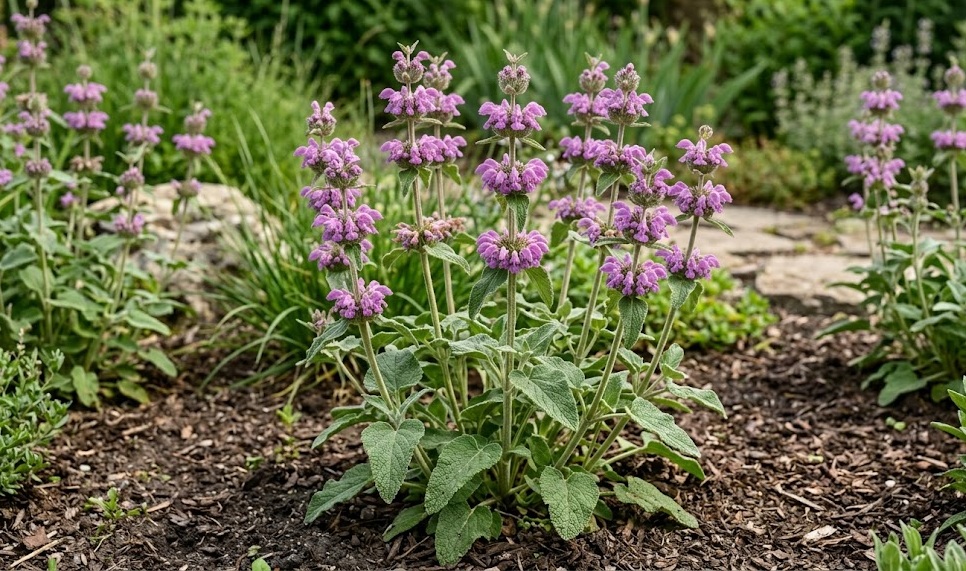

Proper hydration and nutrition are the cornerstones of maintaining a vibrant and healthy tuberous jerusalem sage. While this species is known for its ability to withstand dry conditions, its performance can be significantly enhanced with a strategic watering and feeding schedule. Understanding the specific needs of the plant during different stages of its life cycle allows for more efficient resource management. A professional approach to these tasks ensures that the plant reaches its full aesthetic and biological potential.
In the early stages of establishment, the plant requires a more consistent supply of moisture than a mature specimen. The root system must be kept damp enough to encourage rapid expansion into the surrounding soil profile. During this time, it is better to water deeply and less frequently rather than applying light sprinkles every day. Deep watering encourages the roots to grow further into the earth, where they can access more stable moisture levels during the summer.
As the plant matures, its reliance on supplemental irrigation decreases as it becomes more adapted to the local environment. It has evolved natural mechanisms to conserve water, such as its fuzzy leaf surface which reduces evaporation from the foliage. However, during periods of extreme drought or intense heat, a deep soak once a week can prevent the plant from becoming overly stressed. Monitoring the turgidity of the leaves is a reliable way to gauge when the plant truly needs a drink.
Fertilization should be handled with a light touch to avoid over-stimulating growth at the expense of structural integrity. Providing a balanced, slow-release nutrient source in the spring gives the plant the foundation it needs for the upcoming growing season. Excessive use of high-nitrogen fertilizers can lead to weak, floppy stems that cannot support the weight of the flowers. A professional gardener seeks to support the plant’s natural growth rhythm rather than forcing rapid development through chemicals.
Initial irrigation requirements
When a new specimen is first introduced to the garden, its root system is limited to the volume of its original nursery pot. This means it has a very small reservoir from which to draw moisture, making it vulnerable to drying out quickly. For the first few weeks after planting, checking the soil moisture daily is a necessary part of the establishment routine. The goal is to keep the soil consistently moist but never saturated, as too much water can lead to root decay.
More articles on this topic
Gradually, the frequency of watering can be reduced as the roots begin to explore the native soil outside the planting hole. This transition should be managed carefully based on the prevailing weather conditions and the type of soil in the garden. Heavier clay soils will hold moisture for longer, while sandy soils will require more frequent attention during the establishment phase. Observation of the plant’s response will indicate when it is ready for a more independent watering schedule.
During the first full growing season, the plant will still benefit from regular supplemental irrigation, especially during the hot summer months. Ensuring that the root zone does not completely dry out allows the plant to focus its energy on building a strong underground tuber system. These tubers act as a survival mechanism, storing energy and moisture for the following year’s growth. A well-watered first year is the best insurance for a long-lived and productive perennial.
Water should be applied directly to the base of the plant rather than over the top of the foliage. Wetting the leaves unnecessarily can create an environment that is conducive to the development of powdery mildew and other fungal issues. Using a soaker hose or a drip irrigation system is an excellent way to deliver water efficiently to the root zone. This professional technique minimizes water waste and keeps the foliage in pristine condition throughout the season.
Drought tolerance and water management
The tuberous jerusalem sage is classified as a drought-tolerant species once it has become fully established in the landscape. This resilience is a result of its deep root system and specialized leaf structure that minimizes water loss. In many temperate regions, natural rainfall is often sufficient to meet the plant’s needs for much of the year. This makes it an ideal choice for gardens where water conservation is a priority or where irrigation is limited.
More articles on this topic
However, drought tolerance does not mean the plant can survive without any water at all during extended dry periods. If the leaves begin to wilt or lose their vibrant green color, it is a clear sign that the plant is under significant stress. Providing a deep, slow irrigation at this point can help the plant recover and prevent long-term damage to its tissues. It is important to remember that a stressed plant is also more susceptible to pests and diseases.
Managing water in the garden involves observing the natural cycles of the environment and responding accordingly. During particularly wet years, the plant may require no supplemental water and might even benefit from improved drainage measures. Conversely, in dry years, the gardener must be prepared to step in with additional support to maintain the plant’s aesthetic quality. This flexible approach to water management is a hallmark of professional horticultural care.
Mulching is a highly effective way to enhance the plant’s drought tolerance by reducing evaporation from the soil surface. A layer of organic mulch, such as wood chips or shredded bark, helps to keep the root zone cool and moist. Over time, as the mulch decomposes, it also improves the soil’s ability to hold water and provides a steady supply of organic matter. Combining proper watering techniques with strategic mulching creates a resilient environment for the tuberous jerusalem sage.
Organic and chemical fertilization
Providing the right balance of nutrients is essential for the long-term vigor and flowering success of this perennial species. Many professional gardeners prefer to use organic amendments, such as well-rotted compost or leaf mold, to nourish the soil. These materials release nutrients slowly over time, mimicking the natural processes of a healthy ecosystem. Organic matter also improves the soil structure, making it easier for roots to penetrate and access the resources they need.
If a chemical fertilizer is chosen, it should be a balanced formula with an equal ratio of nitrogen, phosphorus, and potassium. Applying a granular, slow-release product in the early spring as the new growth appears is usually sufficient for the entire season. This ensures that the plant has a steady supply of energy during its most active phase of development. Avoid applying heavy doses of quick-release fertilizers, as these can cause a surge of weak growth that is prone to pests.
The timing of fertilization is just as important as the type of product used to nourish the plants. It is best to avoid feeding the tuberous jerusalem sage late in the summer or in the early autumn. Doing so could encourage new, tender growth that will not have time to harden off before the first frost arrives. By following the natural seasonal cycle of the plant, you ensure that the nutrients are used efficiently and safely.
Testing the soil every few years provides valuable data that can guide your fertilization decisions more accurately. A soil test will reveal any specific deficiencies or imbalances that might be affecting the plant’s performance. If the soil is already rich in nutrients, adding more fertilizer can actually be detrimental to the health of the plant and the surrounding environment. Professional gardening relies on these scientific insights to create a tailored and effective maintenance plan.
Nutrient balance and application
Understanding how different nutrients affect the plant’s growth allows for a more targeted approach to soil management. Nitrogen is primarily responsible for the development of green foliage and overall plant size. Phosphorus plays a key role in the formation of a strong root system and the production of vibrant flowers. Potassium helps the plant to regulate its internal water balance and improves its resistance to environmental stresses and diseases.
Achieving the right nutrient balance is especially important for the tuberous jerusalem sage due to its unique growth habit. Because it produces such tall and heavy flower spikes, the plant must have enough potassium and phosphorus to build sturdy cellular structures. Without these elements, the stems may be too weak to stand upright, leading to a messy and unprofessional appearance in the garden. Monitoring the physical strength of the plant can provide clues about its nutritional status.
When applying fertilizers, it is important to spread the product evenly around the base of the plant, avoiding direct contact with the stems. Watering the area thoroughly after application helps to dissolve the nutrients and carry them down into the root zone. This ensures that the plant can begin to utilize the supplements immediately without any risk of root burn. Professional application techniques ensure that the resources are delivered precisely where they are needed most.
Finally, consider the role of micronutrients, such as magnesium, sulfur, and iron, in maintaining the overall health of the foliage. While these elements are needed in much smaller quantities, a deficiency can still lead to noticeable problems like leaf chlorosis. If the foliage appears pale or unhealthy despite regular fertilization, a micronutrient supplement may be necessary. Maintaining a complete and balanced nutritional profile is key to producing show-quality specimens year after year.