
Understanding the light needs of a plant is fundamental to placing it in a location where it can truly flourish. Georgia blue speedwell is known for its adaptability, but its performance in terms of bloom density and foliage health is directly tied to sun exposure. To achieve that stunning carpet of azure flowers, a gardener must balance the intensity of the light with the moisture levels of the soil. This article explores the specific lighting requirements for this variety and how to manage them in a professional landscape.
Sunlight exposure and bloom quality
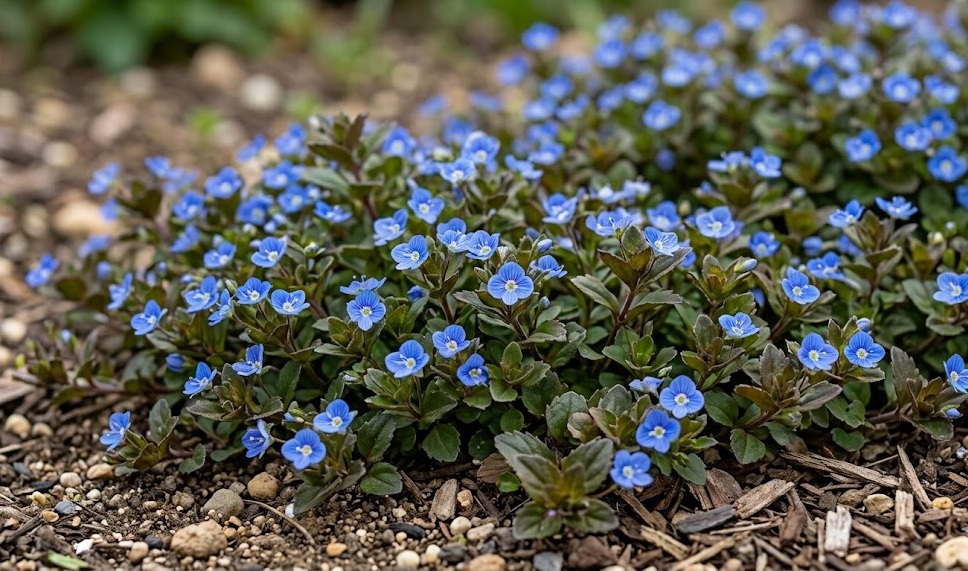
The most spectacular floral displays are almost always found in locations that receive full sun for at least six to eight hours a day. In these conditions, the Georgia blue speedwell produces a dense mat of foliage and an abundance of flowers that completely cover the green leaves. The energy from the sun is essential for the metabolic processes that lead to flower bud initiation and development. If the plant is grown in too much shade, it may become “leggy” as it stretches toward the light, resulting in fewer blooms.
In cooler climates, full sun is generally beneficial throughout the entire day and does not pose a significant risk to the plant. The bright light also helps to dry the foliage quickly after morning dew or rain, which reduces the risk of fungal diseases. A sunny location often provides the best environment for the bronze winter color to develop fully as well. For the most vibrant and professional-looking groundcover, prioritize spots that are not shaded by large trees or buildings.
However, in regions with very hot summers, some protection from the intense afternoon sun can be helpful. While the plant loves light, the combination of extreme heat and direct sun can sometimes cause the foliage to wilt or scorch. A spot that gets bright morning sun and some light filtered shade in the late afternoon is often the “sweet spot” in warmer zones. This balance allows the plant to get the energy it needs without being stressed by the peak heat of the day.
Consistency in light exposure across the entire planting bed ensures a uniform appearance, which is important for a professional aesthetic. If one part of the bed is in deep shade while the other is in full sun, the growth will be uneven and unattractive. When planning your garden, observe how the shadows move across the space throughout the day and across the different seasons. Choosing a site with consistent light conditions is the first step toward a successful and beautiful planting.
More articles on this topic
Partial shade adaptability
One of the great advantages of Georgia blue speedwell is its ability to perform reasonably well in partial shade. In these locations, the plant may not produce as many flowers, but the foliage often remains a lush, dark green throughout the summer. It serves as an excellent transition plant between sunny borders and more shaded areas of the garden. Even with reduced light, it still provides an effective groundcover that helps to suppress weeds and anchor the soil.
Partial shade can actually be a benefit in areas with sandy soil that dries out quickly in the full sun. The reduced light intensity lowers the rate of transpiration, helping the plant to maintain its hydration levels with less supplemental watering. If you are planting in a shadier spot, be extra careful not to over-water, as the soil will stay moist longer than in a sunny location. Balancing light and moisture is a key skill for managing plants in varying garden environments.
In deep shade, the Georgia blue speedwell will likely struggle to form a dense mat and may eventually thin out and disappear. It is not a true shade plant and requires at least a few hours of direct or very bright filtered light to remain healthy. If you have a very shady garden, you might consider other varieties of veronica or different groundcovers altogether. Knowing the limits of a plant’s adaptability prevents the frustration of trying to grow it in an unsuitable location.
When growing in partial shade, the timing of the blooms may be slightly delayed compared to plants in full sun. This can actually be used to your advantage to extend the flowering season across different parts of your landscape. By placing some plants in sun and others in light shade, you can enjoy the blue flowers for a longer period. Sophisticated garden design often utilizes these subtle environmental differences to create a more dynamic and interesting space.
More articles on this topic
Monitoring light and leaf color
The appearance of the foliage is a direct indicator of whether a plant is receiving the correct amount of light. If the leaves look pale or yellowish and the stems are long and weak, the plant is likely not getting enough sunlight. Conversely, if the leaves have brown, crispy edges despite adequate watering, the sun may be too intense for that particular spot. Regularly checking the physical condition of the groundcover allows you to make adjustments before the plant’s health is compromised.
Light also affects the color intensity of the flowers, with full sun usually resulting in the deepest, most vibrant blue. In shadier conditions, the flowers may appear a bit lighter or more washed out in color. This is another factor to consider when deciding on the placement of the plants within your overall color scheme. Professional gardeners often use the brightest spots for the most impactful color displays to draw the eye to specific areas.
Seasonal changes in the angle of the sun and the presence of leaves on nearby trees can significantly alter the light levels in a garden bed. A spot that is in full sun in the early spring may be in deep shade by mid-summer as the canopy of a large oak tree fills out. It is important to account for these changes when selecting a permanent location for your perennials. A truly professional planting plan considers the light conditions throughout the entire year, not just on the day of planting.
If you find that a patch of speedwell is struggling due to incorrect lighting, do not be afraid to move it to a better location. This variety transplants relatively easily, especially in the early spring or autumn when temperatures are mild. Moving a plant to its ideal light environment is often the most effective way to restore its vigor and beauty. A successful garden is a result of the gardener’s willingness to observe, learn, and make the necessary changes for the health of the plants.