
Preparing the Norway maple ‘Globosum’ for the challenges of the winter season is a vital part of its professional care cycle. While this variety is hardy in most temperate zones, the combination of freezing temperatures, drying winds, and heavy snow can pose significant risks to its structural integrity. You must take proactive steps in the late autumn to ensure the tree has the internal resources and physical protection it needs to survive the dormant period. A well-managed overwintering strategy not only prevents immediate damage but also ensures a vigorous and healthy start when spring finally arrives. Focusing on root protection and branch stability will yield the best long-term results.
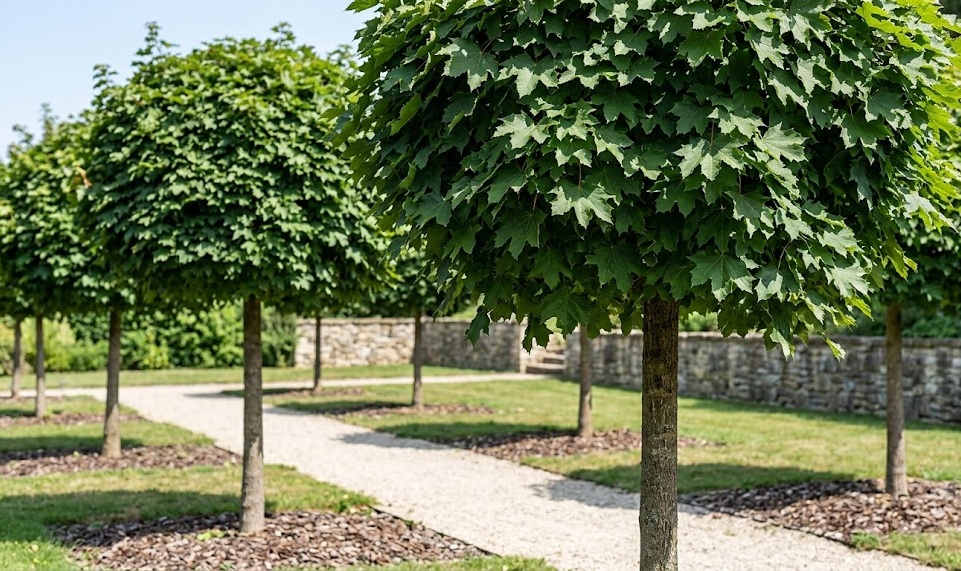
The primary concern during the winter for the ‘Globosum’ cultivar is the accumulation of snow on its dense, spherical canopy. Because the branches are tightly packed, they can trap a surprising amount of weight, which may lead to splitting or breakage at the graft union. You should inspect the tree’s structure before the first snowfall and identify any weak points that might need support. Being prepared to gently remove snow after a storm is a simple task that can prevent a catastrophic failure of the tree’s beautiful form.
Hydration remains a factor even during the winter, as the tree continues to lose moisture through its bark and buds, a process known as desiccation. If the ground freezes before the tree has taken up enough water, it can suffer from “winter burn” or dieback of the smaller twigs. You should ensure the tree is thoroughly watered in the weeks leading up to the first hard freeze. This is particularly important for young trees or those planted in exposed, windy locations where the drying effect is most intense.
Mulching provides an essential insulating layer that protects the shallow root system of the maple from rapid temperature fluctuations. A thick layer of organic mulch will keep the soil temperature more stable, preventing the cycle of freezing and thawing that can heave young trees out of the ground. You should apply this mulch in the late autumn after the first light frost has occurred. Maintaining a clear space between the mulch and the trunk is still necessary to prevent bark rot and to discourage rodents from nesting near the base.
Preparing the roots
The root system of the Norway maple ‘Globosum’ is its most important asset during the cold months, yet it is often the most neglected part of winter care. You should focus on creating a stable environment where the roots can rest without being subjected to extreme stress. Ensuring the soil is rich in organic matter will help it retain the moisture necessary to keep the roots alive during the dormancy. If the autumn has been particularly dry, you must provide supplemental deep watering until the ground is no longer able to absorb it.
More articles on this topic
Insulation is the key to preventing root damage caused by deep frost penetration in the soil. By applying a 10-centimeter layer of wood chips or bark, you create a buffer that slows down the cooling of the earth. This extra time allows the tree’s internal chemistry to adjust to the dropping temperatures more naturally. You should extend the mulched area as far as the drip line of the canopy to cover the entire active root zone. This simple step is one of the most effective ways to guarantee winter survival for a healthy maple.
Rodent protection is an often-overlooked aspect of winter root and trunk care in many suburban and rural areas. Voles and mice often seek shelter in mulch and can chew on the sensitive bark of the maple’s base during the winter when other food is scarce. You can prevent this by installing a fine wire mesh guard around the lower 30 centimeters of the trunk. Ensure the guard is pushed slightly into the soil to prevent animals from burrowing underneath it to reach the roots.
Soil compaction during the winter can occur if people or pets frequently walk over the root zone when the ground is soft or snowy. This compaction reduces the oxygen available to the roots and can lead to health issues once the tree wakes up in the spring. You should mark off the area around the tree to prevent foot traffic, especially if it is located near a path or driveway. Respecting the tree’s space during the dormant season is a hallmark of a thoughtful and professional gardener.
Protecting the canopy
The spherical crown of the ‘Globosum’ variety is its most defining feature, and protecting it from mechanical damage is a winter priority. You should avoid pruning late in the autumn, as this can stimulate new growth that will be immediately killed by the frost. Instead, focus on removing any dead or clearly weakened branches that could become a hazard during a winter storm. A clean, healthy canopy is much better at shedding snow and resisting the force of high winds.
More articles on this topic
Heavy snow should be managed with care to avoid doing more harm than good to the frozen, brittle branches. If you notice the canopy is bowing under the weight of a fresh snowfall, you should gently tap the branches with a broom to dislodge the snow. Never shake the tree violently or use a heavy shovel, as this can snap the cold wood and cause permanent damage to the sphere. If ice has formed on the branches, it is usually best to let it melt naturally, as trying to remove it will almost certainly cause breakage.
Wind protection may be necessary for trees planted in very exposed sites where winter gales are common. You can create a temporary windbreak using burlap screens or other breathable materials positioned on the windward side of the tree. This reduces the wind-chill factor and helps prevent the buds and bark from drying out excessively. You should never wrap the tree tightly in plastic, as this can trap moisture and cause the temperature to fluctuate wildly on sunny winter days.
Winter sun can sometimes cause a phenomenon known as “sunscald,” where the bark on the south side of the tree warms up during the day and then freezes rapidly at night. This can lead to vertical cracks in the trunk that become entry points for pests and diseases in the spring. For young trees with thin bark, applying a white tree wrap or a specialized guard can reflect the sunlight and keep the bark temperature more consistent. Mature ‘Globosum’ maples usually have thick enough bark to resist this, but it is worth monitoring during exceptionally bright winters.
Graft union security
The graft union is the structural “Achilles’ heel” of the Norway maple ‘Globosum’, especially when it is high-grafted on a standard trunk. This area must bear the entire weight of the spherical crown, which becomes much heavier when wet or covered in snow. You should inspect the graft site annually for any signs of cracking, swelling, or internal decay. If the union looks compromised, it may be necessary to provide a permanent or temporary mechanical support to prevent a structural failure.
Suckers emerging from the rootstock below the graft union can be particularly problematic during the late winter and early spring. These shoots can draw vital energy away from the ‘Globosum’ crown just as it is trying to break dormancy. You should prune these suckers off cleanly as soon as they are spotted, even during the winter months. Maintaining the purity of the graft is essential for the tree’s health and to ensure it remains true to the ‘Globosum’ variety.
In some cases, the difference in growth rates between the rootstock and the scion can create a “bottleneck” at the graft site. While this is often just a cosmetic issue, a very pronounced difference can lead to mechanical weakness over time. A professional arborist can assess whether the graft is still healthy and providing sufficient transport for water and nutrients. Most well-produced nursery trees will have a strong, smooth graft that lasts for the entire life of the maple.
Protecting the graft from physical impact is also important during the winter, especially if the tree is located near a driveway where snow removal equipment is used. A single strike from a snowplow can shatter a frozen graft union and end the life of the tree instantly. You should clearly mark the location of the tree with tall, reflective stakes so that it is visible even in deep snow. This physical barrier is a simple way to prevent accidental damage during the chaotic winter months.
Spring transition care
As the days begin to lengthen and the temperatures rise, the ‘Globosum’ maple will slowly start to wake up from its winter sleep. You should monitor the tree closely during this transition period, as it is a time of both great opportunity and potential danger. Late-season frosts can still damage the emerging buds, so be prepared to provide temporary protection if a sudden cold snap is predicted. This “un-wintering” process should be done gradually to allow the tree to adapt to the changing environment.
The first task of the spring is to remove any winter protection you have installed, such as tree wraps or windbreaks. Leaving these on too long into the spring can encourage fungal growth and prevent the bark from hardening off properly. You should also inspect the entire tree for any signs of winter damage that were not visible during the dormant period. Pruning out any small twigs that did not survive the winter will help the tree focus its energy on healthy new growth.
Once the ground has thawed, you should check the soil moisture levels and provide water if the spring rains are delayed. The tree’s water demand increases significantly as the sap begins to flow and the leaves start to expand. You should also take this time to refresh the mulch layer, as some of it will have decomposed or washed away during the winter. A fresh application of organic matter will provide a nutrient boost and help maintain the soil moisture as the weather warms up.
Final winter-related tasks include a careful inspection of the bark for any signs of rodent damage or frost cracks that occurred during the cold months. If you find any wounds, you should leave them to heal naturally rather than applying “wound paint,” which can actually trap pathogens. A healthy Norway maple ‘Globosum’ has a remarkable ability to close over winter injuries if it is given proper care and a stress-free environment. Your attention to detail during the spring transition ensures that the tree’s overwintering efforts were a success.