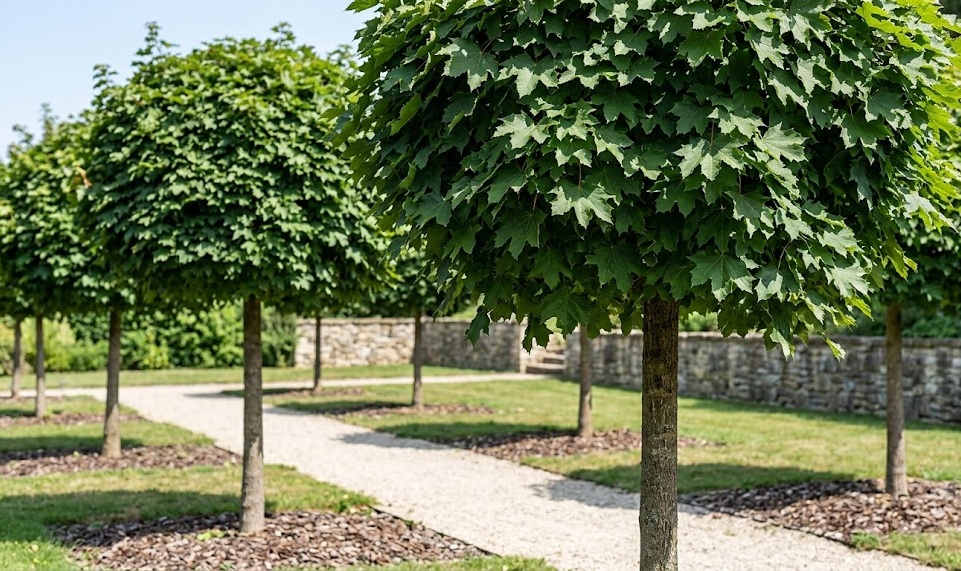

Protecting the Norway maple ‘Globosum’ from biological threats is a primary responsibility for anyone managing this ornamental species. Its dense canopy and specific physiological traits make it susceptible to a variety of fungal pathogens and insect infestations that can mar its beauty. While the tree is generally robust, the stresses of urban life—such as pollution, heat, and limited root space—can weaken its natural defenses. You must be able to recognize the early warning signs of trouble and understand the most effective professional treatments available. A proactive integrated pest management strategy is the best way to ensure the tree remains a healthy focal point in your landscape.
Fungal diseases are among the most common issues faced by this maple, often exacerbated by humid weather and poor air circulation within the crown. Powdery mildew is a frequent visitor, covering the leaves in a white, dusty coating that can reduce the tree’s photosynthetic capacity. While it is rarely fatal, it can make the tree look unsightly and may lead to premature leaf drop if left untreated. You should monitor the inner parts of the canopy where moisture tends to linger for the first signs of fungal growth.
Insect pests can range from minor nuisances like aphids to more serious threats like wood-boring beetles or scale insects. Aphids often congregate on the tender new growth in the spring, sucking the sap and secreting a sticky substance known as honeydew. This honeydew can then lead to the growth of sooty mold, further complicating the tree’s health and appearance. Identifying the specific pest is the first step in choosing a control method that is effective while minimizing harm to beneficial insects.
Environmental stressors often act as the gateway for more serious diseases, so maintaining overall tree vigor is your first line of defense. A tree that is properly watered and fertilized is much better equipped to compartmentalize infections and recover from pest damage. You should also be careful with pruning tools, as pathogens can easily be transferred from one tree to another on dirty blades. Sterilizing your equipment between uses is a simple yet vital step in professional tree care.
Powdery mildew management
Powdery mildew typically appears in the mid to late summer when the nights are cool and the days are warm and humid. You will see small, circular white spots on the surface of the leaves that can eventually merge to cover the entire leaf area. This fungus lives on the surface of the plant tissue and draws nutrients from the leaf cells, which can cause them to distort or turn yellow. While a healthy ‘Globosum’ can tolerate a minor infection, a severe case can weaken the tree over several seasons.
More articles on this topic
Improving air circulation is one of the most effective ways to prevent powdery mildew from taking hold in the first place. You can achieve this through selective thinning of the dense branches within the spherical crown, allowing more wind and light to penetrate the interior. You should also avoid overhead watering, as wet foliage provides the perfect environment for fungal spores to germinate. If you must water, do it early in the day so the leaves have time to dry completely before evening.
Chemical controls are available for severe cases, including sulfur-based fungicides or those containing potassium bicarbonate. You should apply these treatments at the first sign of the disease and repeat them according to the manufacturer’s instructions. Many professional gardeners also use horticultural oils, which can suffocate the fungus and prevent new spores from attaching to the leaves. Always ensure that the tree is well-hydrated before applying any chemical spray to prevent leaf burn.
Biological controls and home remedies, such as a diluted milk solution, have shown some success in managing powdery mildew on a small scale. The protein in the milk, when exposed to sunlight, can create a natural antifungal effect that is safe for the environment. However, for a professional setting or a large tree, standard fungicides are usually more reliable and easier to apply consistently. Keeping the area under the tree clean of fallen leaves in the autumn is also crucial, as the fungus overwinters on plant debris.
Verticillium wilt risks
Verticillium wilt is a much more serious soil-borne fungal disease that affects the vascular system of the Norway maple ‘Globosum’. It enters through the roots and blocks the water-conducting tissues, leading to sudden wilting and death of individual branches or the entire tree. You may notice that the leaves on one side of the sphere turn brown and dry up while the rest of the tree looks healthy. This “flagging” is a classic symptom of the disease and requires immediate professional attention.
More articles on this topic
Diagnosis often involves looking for streaks of dark discoloration in the sapwood under the bark of the affected branches. If you suspect Verticillium wilt, it is best to have a sample tested by a laboratory to confirm the presence of the fungus. Because the pathogen lives in the soil for many years, there is no effective chemical cure once the tree is infected. Management focuses on supporting the tree’s health to help it live with the disease for as long as possible.
Pruning out the dead or dying branches can improve the tree’s appearance and reduce the overall fungal load, but it will not eliminate the infection. You must sterilize your tools with a 10% bleach solution or isopropyl alcohol after every single cut to avoid spreading the fungus to healthy parts of the tree. Providing optimal watering and avoiding high-nitrogen fertilizers can help the tree strengthen its internal barriers. If a tree eventually dies from Verticillium wilt, you should not plant another susceptible species in that same spot.
Preventing the introduction of the fungus is the best strategy for long-term landscape health. You should always source your trees from reputable nurseries that monitor their stock for soil-borne pathogens. Avoid moving soil from areas where the disease is known to exist, and be careful not to wound the roots during planting or maintenance. While the ‘Globosum’ is susceptible, many other tree species are resistant, so choosing the right plant for the right location is key.
Common insect pests
Aphids are perhaps the most frequent insect pest you will encounter on a Norway maple ‘Globosum’. These tiny, soft-bodied insects come in various colors and can multiply rapidly under the right conditions. They tend to cluster on the undersides of leaves and on the tips of new shoots, causing the foliage to curl and deform. In most cases, a strong blast of water from a garden hose is enough to dislodge them and reduce their population to a manageable level.
Scale insects are another common problem, appearing as small, immobile bumps on the twigs and branches. They are often mistaken for part of the bark, but they are actually living insects that suck the life out of the tree. A heavy infestation can cause branch dieback and a general decline in the tree’s vigor. You can control scale by applying dormant oil in the late winter, which suffocates the overwintering adults and eggs before they can hatch in the spring.
Japanese beetles and other leaf-eating insects may occasionally target the foliage of the ‘Globosum’, especially in the mid-summer. These pests can quickly skeletonize the leaves, leaving only the veins behind and reducing the tree’s ability to produce energy. You should monitor the canopy for signs of chewing damage and manually remove the beetles if they are few in number. For larger infestations, professional-grade insecticides may be necessary, but these should be used sparingly to protect local pollinators.
Spider mites can become a problem during hot, dry periods when the tree is under moisture stress. These microscopic pests spin fine webs on the undersides of the leaves and cause a stippled, yellow appearance on the foliage. Keeping the tree well-watered and occasionally rinsing the leaves with water can prevent mite populations from exploding. If a chemical treatment is required, make sure to use a miticide specifically designed for these pests, as standard insecticides are often ineffective.
Preventive chemical treatments
Systemic insecticides are a professional tool that can provide long-term protection against a variety of sucking and boring insects. These chemicals are applied to the soil around the base of the tree or injected directly into the trunk, where they are taken up by the vascular system. This ensures that every part of the tree becomes toxic to the targeted pests while minimizing the exposure of beneficial insects. You should only use these treatments when a clear threat is identified, as they can have lingering effects on the environment.
Foliar sprays can be used for immediate control of active pest outbreaks or fungal infections. These are applied directly to the leaves and stems, providing a protective barrier or a quick-kill effect. Timing is critical for foliar sprays, as they often need to be applied during a specific stage of the pest’s life cycle to be effective. You should always check the weather forecast before spraying to ensure that the treatment will not be washed away by rain or cause leaf burn in high heat.
Dormant sprays, usually consisting of horticultural oil or lime-sulfur, are applied while the tree is sleeping in the late winter. These treatments target the eggs and larvae of pests that hide in the crevices of the bark, effectively reducing the population before the growing season starts. This is one of the most environmentally friendly ways to manage pests, as it happens when most beneficial insects are not active. Regular use of dormant sprays is a standard practice in professional orchard and ornamental tree management.
Biological fungicides are an emerging technology that uses beneficial bacteria or fungi to outcompete and destroy pathogens. These products are often safer for the user and the environment than traditional chemicals and can be very effective when used as part of a regular maintenance routine. You should look for products containing Bacillus subtilis or other proven biological agents. As the industry moves toward more sustainable practices, these bio-rational treatments are becoming a preferred choice for high-value ornamental trees.
Integrated pest management
Integrated Pest Management, or IPM, is a holistic approach that combines biological, cultural, and chemical tools to manage tree health. Instead of relying on a single treatment, you should monitor the tree regularly and only intervene when the pest or disease reaches a specific threshold. This strategy reduces the use of harmful chemicals and promotes a more balanced ecosystem in your garden. For a ‘Globosum’ maple, this might mean accepting a small amount of powdery mildew while focusing on maintaining the tree’s overall vigor through proper watering.
Cultural practices are the foundation of any successful IPM program for the Norway maple ‘Globosum’. This includes selecting the right planting site, ensuring proper drainage, and using correct pruning techniques. By creating an environment where the tree can thrive, you naturally reduce its susceptibility to many common problems. You should also be diligent about removing and disposing of infected plant material to prevent the spread of diseases within your landscape.
Supporting beneficial insects, such as ladybugs and lacewings, can provide a natural check on pest populations like aphids and scale. You can encourage these “garden heroes” by planting a variety of flowering plants nearby that provide them with alternative food sources. Avoiding broad-spectrum insecticides is crucial, as these products kill the good bugs along with the bad ones, often leading to secondary pest outbreaks. A professional gardener understands that a healthy tree is part of a larger living system.
The final element of a professional IPM strategy is documentation and long-term observation. You should keep a log of any issues you encounter, the treatments you apply, and how the tree responds over time. This history allows you to spot patterns and predict when certain problems might arise in the future. By staying one step ahead of the pests and diseases, you can ensure that your Norway maple ‘Globosum’ remains a healthy and beautiful part of your environment for decades.