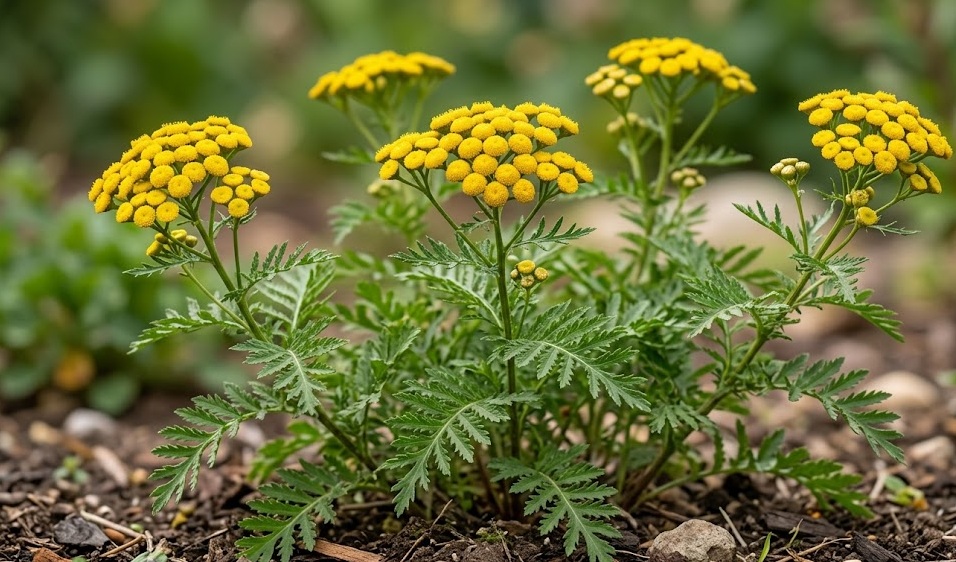

Pruning is a vital professional practice for maintaining the shape, health, and vigor of the common tansy throughout its life. The first significant intervention of the year usually occurs in the early spring, just as the new growth begins to emerge from the crown. This is the ideal time to remove any dead or damaged stems that remained over the winter months. Clearing away this old material makes room for the fresh, green foliage and helps prevent the spread of any lingering pathogens.
A clean and organized start in the spring allows the gardener to assess the overall structure of the plant before it becomes too dense. If the specimen has become too large or congested, some of the older stems can be thinned out at the base. This practice improves air circulation and ensures that the most vigorous shoots have the space and resources they need. Using sharp, bypassed pruning shears ensures that the cuts are clean and do not crush the delicate new tissues.
Early-season pruning also provides an opportunity to inspect the plant for any signs of winter damage or pest activity. Addressing these issues immediately prevents them from becoming major problems later in the summer when the plant is in full bloom. A professional gardener uses this time to set the stage for a successful and productive growing season. Proper timing is the key to ensuring that the plant’s energy is directed into healthy new growth rather than maintaining old wood.
As the stems begin to grow rapidly in the late spring, a light tipping or “pinching” can be performed to encourage a bushier habit. This involves removing the very top of the young stems to stimulate the growth of lateral branches. While this may slightly delay the first flowers, it results in a more stable and aesthetically pleasing plant that is less likely to flop. This level of detail in early maintenance is what distinguishes a professionally managed garden.
Deadheading for vigor and seed control
During the summer months, the primary pruning task for common tansy is the regular removal of spent flower heads, a process known as deadheading. This practice prevents the plant from putting its energy into seed production, which can quickly deplete its reserves. Instead, the plant is encouraged to produce more flowers and maintain the quality of its foliage for a longer period. For a professional looking border, deadheading is an essential routine that keeps the display looking fresh and vibrant.
More articles on this topic
Deadheading is also the most effective way to control the invasive potential of the species in the local environment. By removing the flowers before the seeds have a chance to mature, the gardener ensures that the plant does not spread into unwanted areas. This responsible management is a critical duty for anyone growing species with high reproductive capabilities. It is particularly important in regions where the tansy is not a native part of the local ecology.
The process of deadheading involves cutting the flower stems back to the nearest set of healthy leaves or a lateral bud. This keeps the plant looking tidy and prevents the unsightly appearance of brown, drying stalks in the middle of the garden. Regularly walking through the garden to perform this task allows the horticulturist to stay in close contact with the health of the plants. These frequent, small interventions are much more effective than occasional major prunings.
In addition to seed control, removing the old flowers also reduces the risk of certain fungal diseases that can start on decaying plant tissue. It keeps the center of the plant open and allows for better light penetration to the lower leaves. A well-deadheaded tansy will remain a structural and colorful asset to the landscape until the very end of the season. Professionalism in gardening is often found in these consistent and purposeful maintenance tasks.
Rejuvenation pruning and late season cuts
As the common tansy matures over several years, it may occasionally benefit from a more aggressive rejuvenation pruning. If a plant has become excessively woody, sparse in the center, or generally less productive, cutting it back significantly can stimulate a fresh start. This task is best performed in the late autumn after the flowering period has finished and the plant is preparing for dormancy. By removing the bulk of the old growth, the gardener encourages the root system to produce vigorous new shoots in the spring.
More articles on this topic
Late-season cuts also serve the practical purpose of preparing the garden for the winter weather and potential snow loads. Removing the tall, brittle stems reduces the risk of them breaking and damaging the crown of the plant during winter storms. The debris should be cleared away and composted or disposed of properly to maintain the sanitation of the garden site. This final pruning is the closing act of the gardener’s seasonal maintenance routine.
The height at which the plant is cut back in the autumn can vary depending on the local climate and the gardener’s preference. Some prefer to leave a few inches of stem to help identify the plant’s location in the spring and provide a small amount of protection for the crown. Others may cut the plant right to the ground for a cleaner winter look and to eliminate all potential pest hiding spots. Both approaches are valid within a professional management framework as long as they are done with care.
Reflecting on the year’s growth and the impact of the pruning schedule allows for continuous improvement in the care of the species. Note how the plant responded to different timing and techniques to refine the approach for the following year. Professional horticultural knowledge is built through this cycle of action, observation, and adjustment. Successful pruning ensures that the common tansy remains a healthy, controlled, and beautiful part of the agricultural landscape.