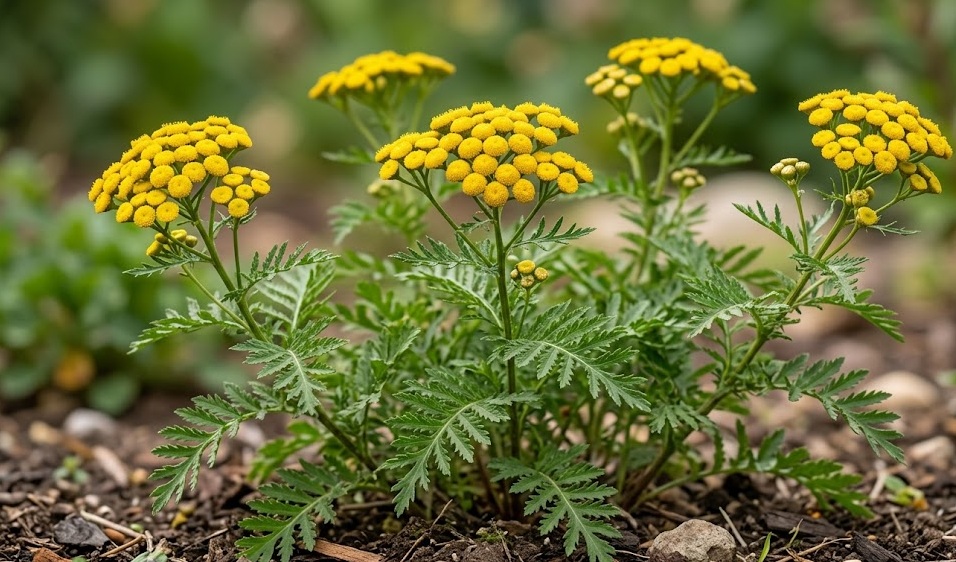

As the growing season draws to a close, preparing common tansy for the arrival of freezing temperatures is a vital task for professional gardeners. This process begins with a gradual reduction in supplemental watering to encourage the plant to enter its natural state of dormancy. Any remaining flower heads should be removed to prevent the plant from wasting energy on seed production during the transition. The goal is to allow the stems to harden off and the root system to store as much energy as possible for the months ahead.
Once the first light frost has occurred, the foliage will typically begin to turn brown and die back to the ground. This is the signal that it is safe to begin the final pruning process for the winter season. The dead stems should be cut back to within a few inches of the soil surface using sharp, clean shears. Removing this material not only improves the appearance of the garden but also eliminates potential overwintering sites for pests.
The cleared area around the base of the plant should be inspected for any lingering weeds or debris that could harbor disease. A clean site is much easier to manage in the spring and reduces the risk of problems emerging when growth resumes. This is also an excellent time to double-check the labels and markers in the garden to ensure they remain legible and secure. Professional organization in the autumn leads to a much more efficient start to the next gardening year.
Documentation of the plant’s performance during the past season can be a valuable part of the overwintering routine. Recording any issues with pests or diseases allows for better planning and preparation in the coming spring. Note the final size and health of the specimen to help determine if division or relocation will be necessary in the future. This reflective practice is a hallmark of professional horticultural management and supports the continuous improvement of the garden.
Mulching and root zone protection
Protecting the root system from the extreme cycles of freezing and thawing is the primary objective of winter mulching. A thick layer of organic material, such as shredded leaves, straw, or bark, acts as an effective insulator for the soil. This layer helps maintain a more consistent temperature in the ground, preventing the “heaving” that can damage sensitive roots. The mulch should be applied after the ground has frozen for the first time to ensure the plant stays dormant.
More articles on this topic
The depth of the mulch should be around three to four inches for maximum effectiveness in colder climates. It is important to spread the material evenly over the entire area occupied by the root system of the common tansy. However, a small gap should be left directly around the crown of the plant to allow for some air circulation. This precaution prevents the development of rot in the base of the stems during periods of winter melt.
In regions with very heavy snowfall, the snow itself can act as an additional layer of natural insulation for the garden. However, if the winter is cold and dry, the mulch becomes even more critical for preventing the roots from drying out. Regularly checking the condition of the mulch layer throughout the winter ensures that it has not been dispersed by wind or animals. A professional gardener knows that the health of the plant in the spring depends on the protection provided in the winter.
Selecting the right type of mulch also contributes to the long-term fertility of the soil as it decomposes over time. Organic materials break down slowly, releasing nutrients and improving the structure of the earth for the next growing season. This dual-purpose approach to overwintering reflects a commitment to sustainable and holistic garden management. By protecting the roots today, the gardener is ensuring the vibrant growth of the plant tomorrow.
Root system preservation and drainage
The health of the root system during the winter is heavily dependent on the quality of the drainage in the planting site. Common tansy is quite hardy, but its roots can easily rot if they are forced to sit in cold, waterlogged soil for extended periods. Professional gardeners often assess the drainage of their garden beds before the onset of the wet winter months. If necessary, small channels can be created to direct excess water away from the base of the perennial plants.
More articles on this topic
Internal drainage within the soil is also a factor that can be improved through the addition of grit or coarse organic matter. This task is best performed during the planting phase, but top-dressing with similar materials in the autumn can offer some benefit. The goal is to ensure that oxygen can still reach the roots even when the ground is saturated with winter rain or melting snow. A well-drained site is the best insurance against the loss of a prized specimen during a difficult winter.
In areas where the water table is naturally high, planting common tansy in raised beds or on small mounds can provide the necessary elevation. This strategy keeps the most sensitive part of the root system above the zone of saturation. Observing how water moves through the landscape during a heavy autumn rain can provide the data needed to make these adjustments. Professionalism in gardening involves anticipating environmental challenges and taking proactive steps to mitigate them.
Maintaining a healthy root system throughout the dormant period ensures that the plant has the energy needed for a strong spring revival. The roots are the foundation of the plant’s life, and their preservation is the most critical aspect of the overwintering process. By combining proper mulching with effective drainage strategies, the gardener creates a secure environment for the plant to rest. This careful management is what allows the common tansy to return with vigor year after year.
Spring revival and early season tasks
The transition from winter dormancy to spring growth is an exciting time that requires a new set of professional maintenance tasks. As the soil begins to warm and the first signs of green appear, the winter mulch should be gradually pulled back. This allows the sun to reach the soil and the crown of the plant, stimulating the emergence of new shoots. It is important not to remove the mulch all at once if there is still a significant risk of a late, hard frost.
Once the new growth is several inches tall, any remaining old stems can be trimmed away to make room for the fresh foliage. This is also the ideal time to apply a fresh layer of compost or a balanced organic fertilizer to support the coming season. Cleaning the surrounding area of any winter debris will help prevent the emergence of early-season pests or diseases. A clean and well-prepared garden bed is the perfect stage for the common tansy to begin its annual display.
Monitoring the moisture levels of the soil is critical during the spring as the plant begins to grow rapidly. While the ground may be wet from winter snow, the increasing temperatures and wind can quickly dry out the surface layers. Providing supplemental water during dry spring spells ensures that the plant does not experience any early-season stress. Professional care during this revival phase sets the tone for the health and beauty of the plant for the entire year.
Finally, early spring is the best time to perform any necessary division or relocation of the common tansy. Handling these tasks before the plant has put too much energy into its foliage ensures a faster recovery and better establishment. By following a structured overwintering and spring revival plan, the gardener maintains the highest standards of horticultural excellence. The resilience of the tansy is a testament to the effectiveness of professional care and the beauty of the natural world.