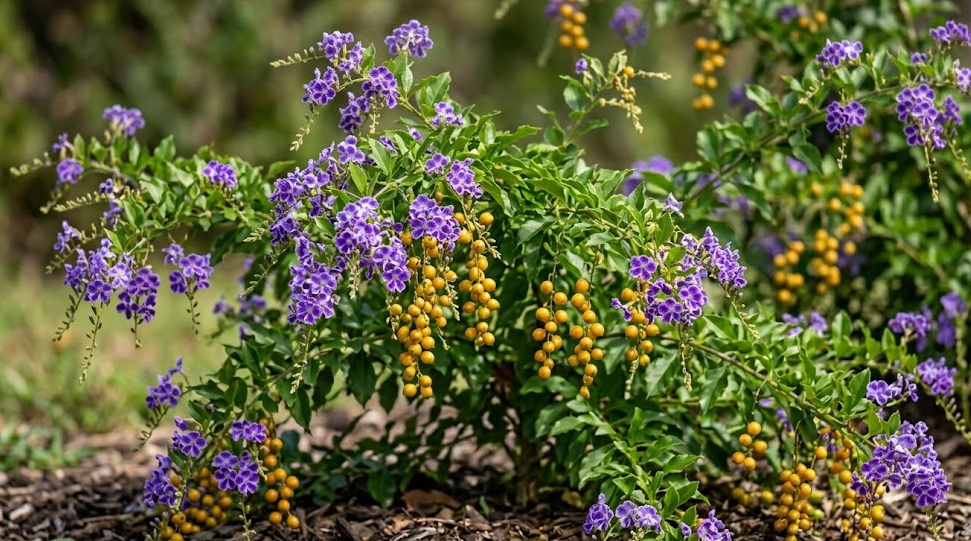

The golden dewdrop is a remarkably versatile plant that brings a touch of the tropics to any landscape with its graceful, weeping branches and vibrant clusters of flowers. To ensure its success, a gardener must look beyond its aesthetic appeal and understand the biological requirements that govern its growth. Successful cultivation is a journey that begins with selecting the right environment and continues through a lifelong commitment to maintenance. By following professional standards, you can transform a simple shrub into a majestic focal point of your garden.
Regular inspection of the foliage is the first line of defense against potential issues that might hinder the plant’s development. You should observe the luster of the leaves and the strength of the stems on a weekly basis to gauge overall health. This proactive approach allows for the early identification of environmental stress before it becomes a permanent problem. A keen eye for detail is what separates a casual hobbyist from a truly expert horticulturalist.
Air circulation plays a pivotal role in maintaining the structural integrity of the plant and preventing the buildup of stagnant moisture. Densely packed branches can often harbor humidity that leads to localized issues within the canopy. By ensuring that air can flow freely around the entire specimen, you reduce the risk of internal decay and encourage robust growth. Strategic placement within the garden layout is essential to capitalize on natural breezes and ventilation.
Temperature regulation is another critical factor that influences the physiological processes of this species. While it thrives in warmth, extreme heat without adequate protection can lead to a significant decline in vigor. Understanding the specific microclimate of your gardening zone will help you make informed decisions about placement and protection. Consistency in the surrounding environment is the key to preventing growth stalls and ensuring a long life for your plant.
General overview of plant maintenance
Managing a healthy specimen involves more than just basic tasks; it requires an intuitive understanding of the plant’s natural rhythm. You must provide a stable foundation where the root system can expand without being constricted by poor soil or small containers. Every action you take should aim to mimic the ideal conditions found in its native habitat. This holistic approach ensures that the plant remains resilient even when faced with minor environmental fluctuations.
More articles on this topic
Observation is your most valuable tool when it comes to long-term maintenance and health. By watching how the leaves react to the midday sun, you can learn exactly when the plant needs a break from the heat. Noticing the subtle change in green tones can alert you to a need for specific micronutrients. Expertise grows through this daily interaction and a willingness to adapt your methods based on the plant’s feedback.
Seasonal shifts demand a flexible strategy to keep the plant in peak condition throughout the year. What works during the height of summer might be detrimental during the shorter, cooler days of autumn. You must be prepared to adjust your routine to account for changes in daylight and temperature. A successful gardener anticipates these shifts and prepares the plant well in advance of any major seasonal transition.
Documentation of your care routine can provide insights that are often missed in the heat of the moment. Keeping a simple log of growth rates and flowering periods helps you identify patterns over several years. This data-driven approach allows for more precise interventions and better long-term planning. It turns gardening from a series of guesses into a refined scientific practice.
Selecting the right growing medium
The soil is the heart of the garden, providing both physical support and essential nourishment for your plants. For this particular species, a well-draining medium that retains a slight amount of moisture is absolutely critical. You should avoid heavy clays that trap water and prevent the roots from breathing effectively. A blend of organic matter and mineral components will provide the perfect texture for root exploration.
More articles on this topic
Ph levels in the soil can significantly impact the availability of nutrients to the root system. Ideally, you should aim for a slightly acidic to neutral range to ensure that minerals remain soluble and accessible. Testing your soil regularly is the only way to be certain that the chemistry is correct for optimal growth. If the balance is off, you can make gradual adjustments using specialized soil conditioners.
Organic amendments such as compost or well-rotted manure enhance the biological activity within the growing medium. These materials introduce beneficial microbes that break down complex compounds into forms the plant can easily absorb. They also improve the overall structure of the soil, making it more resilient to compaction over time. A healthy soil microbiome is a secret weapon for any professional grower.
Drainage can be further improved by adding coarse sand or perlite to the mix, especially in container gardening. This ensures that excess water moves quickly away from the roots, preventing the risk of suffocation. You should test the drainage by observing how quickly water disappears after a heavy soak. If the surface remains muddy for more than an hour, the medium likely needs more aeration.
Managing environmental humidity
In its natural tropical setting, this plant is accustomed to a certain level of moisture in the air. While it can adapt to drier climates, providing extra humidity can lead to much glossier leaves and better flower production. You might consider grouping plants together to create a microclimate with higher ambient moisture. This simple technique can make a world of difference during the dry summer months.
Mist systems or pebble trays are effective ways to boost local humidity without saturating the soil. This is particularly important if you are growing the plant in an indoor setting or a greenhouse. The fine water particles evaporate and create a more comfortable atmosphere for the foliage. However, you must ensure that there is still enough airflow to prevent the moisture from sitting on the leaves for too long.
Dry air often leads to brittle leaf edges and a general loss of luster in the canopy. If you notice these symptoms, it is a clear sign that the environment is too arid for the plant’s liking. Increasing the frequency of light misting can help alleviate these symptoms relatively quickly. Professional growers always keep a hygrometer nearby to monitor these conditions accurately.
Humidity management is also a key factor in preventing the spread of certain pests that thrive in dry conditions. By maintaining a balanced environment, you make the plant less attractive to opportunistic insects. It is a natural form of pest control that works in harmony with the plant’s biology. Consistent moisture levels in the air support the plant’s overall defense mechanisms.
Potting and container selection
Choosing the right container is a decision that affects the plant’s health for years to come. The pot must have adequate drainage holes to allow for the free escape of water. Material choice also matters, as porous clay pots allow for more air exchange than plastic alternatives. You should select a size that gives the roots enough room to grow without being excessively large.
When the roots begin to circle the inside of the pot, it is time to consider moving to a larger home. This process should be done with care to avoid damaging the delicate root hairs that absorb water. Fresh potting soil should be used to fill the gaps and provide a new burst of nutrients. Repotting is an excellent opportunity to inspect the lower half of the plant for any signs of trouble.
Container-grown specimens require more frequent attention than those planted directly in the ground. The limited soil volume means that water and nutrients are depleted much faster. You must stay on top of the moisture levels and be more diligent with your feeding schedule. It is a more controlled environment, but one that demands a higher level of precision.
The weight of the container is a practical consideration if you need to move the plant seasonally. Using lightweight materials can make the transition from the patio to the greenhouse much easier on your back. However, ensure the base is stable enough to prevent the plant from tipping over in high winds. A well-balanced pot provides security for both the plant and the gardener.
Seasonal care variations
During the active growth phase of spring and summer, the plant’s metabolism is at its peak. This is the time when you should be most generous with water and nutrients to support rapid development. New shoots and flower clusters will appear quickly if the conditions are favorable. It is a rewarding period that requires the most hands-on involvement from the grower.
As the days shorten in autumn, the plant begins to prepare for a period of slower growth. You should gradually reduce the frequency of watering and stop the application of heavy fertilizers. This allows the new wood to harden and prepares the plant for the cooler months ahead. Forcing growth during this transition can lead to weak stems that are susceptible to damage.
Winter care is primarily about protection and maintaining the status quo. If the plant is kept in a cool but frost-free area, it will require very little intervention. You should only water when the soil feels quite dry to the touch to prevent root issues. It is a time for the plant to rest and gather energy for the next growing season.
Spring awakening is a critical moment when you reintroduce more light and moisture. As the first signs of new green growth appear, you can begin to increase your care efforts. This is also the best time for any major structural pruning before the plant puts all its energy into new leaves. A successful spring start sets the tone for the entire year of growth.
Tool maintenance and hygiene
Expert gardening requires tools that are in top condition and free from contamination. Pruning shears should be kept sharp to ensure clean cuts that heal quickly and cleanly. Dull blades can tear the plant tissue, creating entry points for bacteria and fungi. Regular sharpening is a meditative part of the gardening process that pays off in plant health.
Cleaning your tools after every use is a non-negotiable step for a professional horticulturist. You can use a simple solution of alcohol or a mild bleach mixture to disinfect the blades. This prevents the accidental spread of diseases from one plant to another across your garden. It is a simple habit that can save an entire collection from a single infected specimen.
Storage is another important aspect of tool care that many people overlook. Keeping your equipment in a dry, organized space prevents rust and ensures they are always ready for action. Oiling the moving parts of your shears will keep them working smoothly and extend their lifespan. Good tools are an investment in your garden’s future and deserve proper respect.
Ergonomics should also be considered when selecting the tools you use for your plants. High-quality handles reduce strain on your hands and allow for more precise work during long pruning sessions. When you are comfortable, you are more likely to do a thorough and careful job. Expert results often come from the combination of skilled hands and well-maintained equipment.
Achieving longevity in your garden
A long-lived plant is the ultimate testament to a gardener’s skill and dedication. By providing consistent care and avoiding extreme stressors, you can enjoy this shrub for many decades. It becomes a living part of the landscape that grows in character and beauty every year. Patience is required, as the most impressive specimens are often those that have been nurtured over a long period.
As the plant matures, its needs will change and require a more nuanced approach. Older specimens may need more structural support or specialized pruning to maintain their shape. You should continue to learn and adapt your methods as the plant moves through different life stages. There is always something new to discover about the biology and resilience of this species.
Sharing your experience with other gardeners can help preserve the knowledge required to grow these plants successfully. Community gardens and horticultural societies are great places to exchange tips and observations. Your specific successes can inspire others to take up the challenge of growing these beautiful shrubs. Horticulture is a collaborative field where everyone benefits from shared wisdom.
Finally, take the time to simply enjoy the beauty of the plant you have worked so hard to maintain. The sight of the golden berries and purple flowers is a reward for all the hours of watering and pruning. A garden is a place of peace and reflection, and this plant is one of its most graceful residents. Your commitment to excellence ensures that this beauty will endure for many years to come.