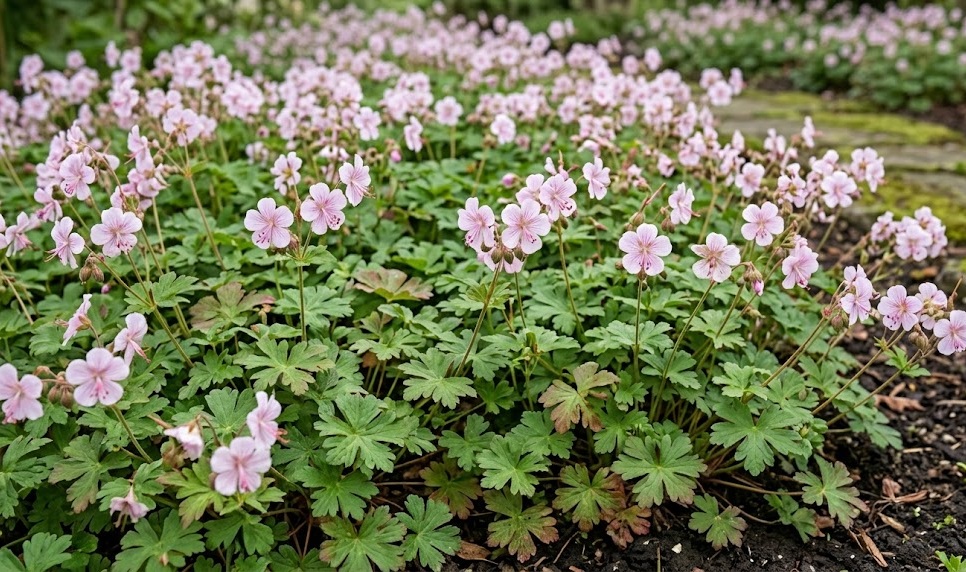

The practice of pruning and cutting back Cambridge cranesbill is an essential skill for maintaining the plant’s legendary health and aesthetic appeal. While this geranium is not high-maintenance, a bit of timely intervention can make the difference between a sprawling, messy clump and a tidy, vibrant mound. Understanding when and how to trim the foliage allows the gardener to direct the plant’s energy and ensure a long and productive life. A professional approach to pruning focuses on promoting air circulation and stimulating fresh, vigorous new growth.
In the early spring, the primary goal of pruning is to clear away the remnants of the previous year to make way for the new season’s shoots. As the ground warms and the first green buds appear, removing any dead, damaged, or unsightly leaves will provide the plant with a clean start. This simple task ensures that all the plant’s resources are funneled into the healthy new foliage rather than trying to maintain old, unproductive tissues. It also helps to prevent any overwintering pests or diseases from affecting the emerging growth.
Once the main flowering period has concluded in early summer, a second round of light pruning can be highly beneficial for the plant’s appearance. Many gardeners choose to “deadhead” the spent flower stems, which involves cutting them back to the base of the foliage. While this doesn’t always guarantee a second flush of blooms, it prevents the plant from putting energy into seed production. This energy is then redirected back into the roots and the development of a lush, green canopy that will look great for the rest of the summer.
For those who prefer a more relaxed or naturalistic garden style, extreme pruning is rarely necessary for this particular hybrid. The plant naturally maintains a relatively compact and rounded shape that requires very little structural shaping to look good. However, if a colony has become too large for its space or has started to look a bit tired in the mid-summer heat, a more significant cut-back can work wonders. This resilience is one of the reasons why the Cambridge cranesbill is so highly recommended for gardens of all types.
Techniques for post-bloom maintenance and shaping
After the beautiful display of flowers has faded, the stems can sometimes become a bit leggy or start to lean away from the center of the plant. This is a natural reaction to the weight of the flowers and the search for light, but it can leave the center of the clump looking a bit sparse. You can easily fix this by taking a pair of sharp garden shears and lightly trimming the entire plant back by about a third. This encourages the plant to branch out and fill in any gaps, resulting in a much denser and more attractive ground cover.
More articles on this topic
When you are performing this post-bloom maintenance, try to make your cuts just above a set of healthy leaves or a dormant bud. This encourages the plant to heal quickly and start producing new growth almost immediately. If you have a large area of cranesbill, you can even use manual hedge shears to speed up the process, as the plant is very forgiving of this type of treatment. Within a week or two, you will see a fresh layer of bright green leaves emerging that will cover any visible cut stems.
This mid-season “haircut” is also an excellent time to inspect the interior of the plant for any signs of hidden pests or poor air circulation. By thinning out the oldest or most congested parts of the foliage, you are creating a healthier environment that is less likely to suffer from fungal issues. It also allows light to reach the lower levels of the plant, ensuring that it remains green and healthy from top to bottom. This proactive shaping is a hallmark of an observant and skilled gardener who understands the value of preventative care.
Remember that the goal of this maintenance is to support the plant’s natural beauty rather than forcing it into an unnatural shape. Avoid the temptation to shear the plant into a tight, formal ball, as this can look stiff and out of place in most garden designs. Instead, aim for a soft, rounded mound that flows naturally into its surrounding neighbors and landscape features. By working with the plant’s natural growth habit, you can achieve a professional and polished look with very little effort.
Annual rejuvenation and long-term pruning strategies
As the Cambridge cranesbill matures over several years, it may occasionally benefit from a more aggressive rejuvenation prune. This is usually done every three to five years if the center of the plant begins to look woodier or if the flowering density has significantly decreased. In the early spring or late autumn, you can cut the entire plant back to within a few inches of the ground. This drastic measure stimulates a massive flush of brand-new growth from the crown, effectively “resetting” the plant’s life cycle.
More articles on this topic
This deep pruning is also an excellent time to assess whether the plant needs to be divided to manage its size or to create new colonies elsewhere. Combining rejuvenation pruning with division is a powerful way to keep your entire garden looking young and vibrant. It is often surprising how quickly the cranesbill recovers from such a heavy cut, often looking better than ever within a single growing season. This ability to bounce back is a testament to the plant’s incredible vigor and resilience.
In regions where the plant is semi-evergreen, you may need to adjust your winter pruning strategy to account for the persistent foliage. You can choose to leave the green leaves through the winter for interest or trim them back in the late autumn for a cleaner look. There is no wrong answer, and your choice will likely depend on your personal aesthetic preferences and the specific climate of your garden. Both approaches are perfectly healthy for the plant and will not affect its ability to bloom in the following year.
Long-term success with this species involves finding the right balance between intervention and allowing the plant to do what it does best. By observing how your specific specimens respond to different pruning techniques, you can develop a personalized care routine that works for your garden. This iterative process is how great gardeners are made, and the Cambridge cranesbill is the perfect partner for this journey. With just a little bit of regular attention, it will continue to provide beauty and ground cover for many years to come.
Selecting the right tools and timing for the job
Having the right tools for the job makes pruning both easier for you and healthier for the plant. For most maintenance tasks, a sharp pair of bypass pruners or high-quality garden scissors is all you will need to handle the soft stems. It is important to ensure that your tools are clean and sharp to prevent crushing the delicate tissues, which can lead to disease. Dull blades create ragged edges that take longer to heal and can provide entry points for pathogens.
Timing is another critical factor that can influence how well the plant responds to being cut back. As a general rule, avoid pruning during the hottest part of the day or during periods of extreme drought, as this can put unnecessary stress on the plant. The best times are in the early morning or on a cloudy day when the temperatures are mild and the plant is fully hydrated. This allows the plant to focus its energy on recovery rather than simply trying to survive the environmental conditions.
If you are pruning in the autumn, try to complete the task several weeks before the first hard freeze is expected. This gives any new growth that might be stimulated by the pruning enough time to harden off before the cold weather arrives. Pruning too late in the season can sometimes lead to winter damage if the plant has not had a chance to properly prepare for dormancy. Being mindful of these seasonal transitions is a key part of professional horticultural management.
Ultimately, the most important thing is to just get started and not be afraid of making a mistake. The Cambridge cranesbill is a tough and forgiving plant that will quickly recover from almost any pruning error you might make. As you gain experience, you will develop a “feel” for exactly how much to cut and when the best time is for your specific garden conditions. Enjoy the process of shaping and caring for your plants, and they will reward you with a stunning and healthy display year after year.