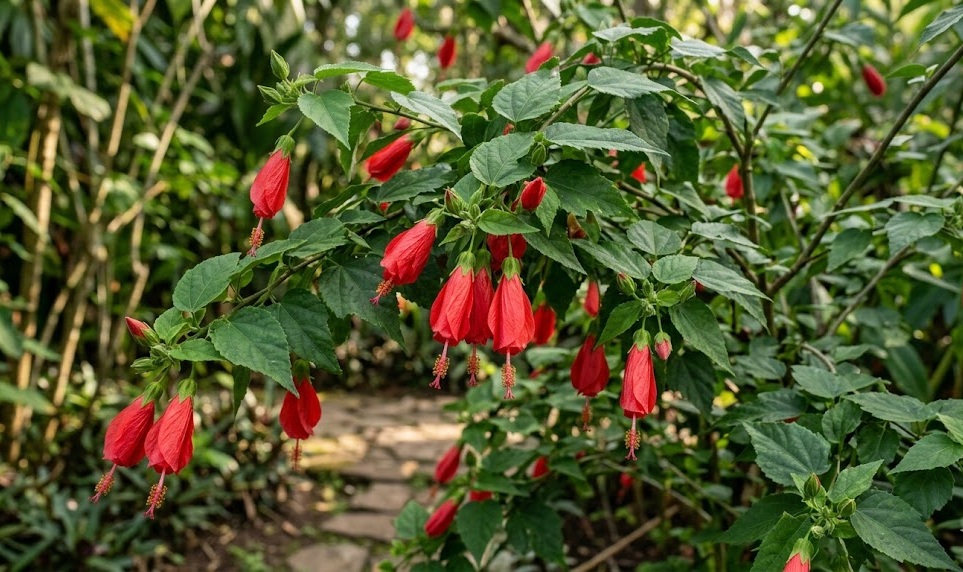

The sleeping hibiscus is a truly unique ornamental plant that captures the attention of every gardener with its peculiar, never-opening flower buds. While many tropical shrubs flaunt wide-petaled blossoms, this variety maintains a closed, tubular form that resembles a flower about to burst. This characteristic makes it a fascinating addition to any professional landscape or home garden collection seeking botanical variety. Understanding its specific needs is the first step toward successfully cultivating this resilient and vibrant tropical shrub in a controlled environment.
The overall growth habit of this plant is quite vigorous, reaching impressive heights when given enough space to thrive. It typically forms a dense, upright shrub with multiple stems that spread out as the plant matures over several years. The foliage is lush and dark green, providing a perfect backdrop for the bright red flowers that appear throughout the warmer months. Professional growers appreciate its ability to create a natural screen or a focal point in a large garden bed.
The architecture of the stems allows for a graceful, arching appearance which gives the plant a somewhat informal but elegant structure. In its natural habitat, it can reach several meters in height, although it remains more manageable when grown in containers or smaller garden plots. The wood becomes quite sturdy with age, allowing the plant to withstand moderate winds without significant damage to its main framework. Maintaining this structure requires a consistent approach to environmental monitoring and structural support during the early stages of growth.
Gardeners often value the sleeping hibiscus for its long blooming season, which often extends from late spring until the first frost of autumn. The nectar-rich flowers are particularly attractive to pollinators, making it an essential component of a biodiversity-focused garden design. Even though the petals do not fully expand, the protruding stamens add a delicate texture to the overall aesthetic of the shrub. Its reliability in flowering makes it a favorite for those who want consistent color throughout the summer season.
General growth characteristics
The biological makeup of the sleeping hibiscus is centered around its adaptation to warm, humid environments where it can flourish. It possesses a deep root system that helps it find moisture during shorter periods of drought, though it prefers consistent hydration for optimal flowering. The leaves are slightly fuzzy to the touch, which helps the plant manage transpiration in high-heat conditions common in southern climates. Such physical traits allow it to be more forgiving than some of the more delicate tropical hibiscus species available today.
In terms of spatial requirements, you should always account for its lateral spread when deciding on its permanent location. While it grows vertically with enthusiasm, it also tends to bush out, requiring regular check-ins to ensure it does not crowd neighboring plants. A well-placed specimen can fill a corner of the garden beautifully within just a couple of growing seasons under the right conditions. This rapid growth rate is one of the primary reasons professional landscapers choose it for new installations.
The stem development is also noteworthy as it transitions from soft, green growth to more lignified, woody branches as the season progresses. This maturation process is vital for the plant’s ability to survive cooler temperatures and support the weight of its numerous flower clusters. Observing the color change in the bark can tell a seasoned gardener a lot about the health and age of the specific branches. Strong, healthy wood is the foundation for a productive shrub that will return with vigor every year.
Finally, the overall vitality of the sleeping hibiscus is directly linked to the quality of the microclimate you provide within your garden. It thrives in areas where air circulation is good but where it is shielded from the harshest, drying winds that can tatter the leaves. A protected spot near a south-facing wall can often provide the extra warmth needed to maximize its blooming potential. By paying attention to these subtle environmental factors, you can ensure a lush and healthy display year after year.
Creating the ideal environment
Temperature is perhaps the most critical factor when considering the long-term health of this tropical beauty in a temperate climate. It is not frost-hardy, meaning that any exposure to freezing temperatures can cause significant dieback or even total plant failure. Most experts suggest keeping the plant in temperatures above ten degrees Celsius to ensure that it does not enter a state of stress. During the height of summer, it can handle extreme heat as long as the humidity remains at a reasonable level.
Humidity plays a secondary but equally important role in mimicking the plant’s native tropical forest understory environment. In dry inland climates, the plant may benefit from occasional misting or being placed near water features that naturally increase local moisture levels. High humidity encourages larger leaf growth and more frequent flower production, as the plant feels more “at home” in such conditions. If the air becomes too dry, you might notice the leaves curling or the flower buds dropping before they have a chance to show color.
Soil quality must also be addressed when preparing the planting site to ensure long-term success and minimal maintenance issues. The sleeping hibiscus prefers a rich, loamy soil that is packed with organic matter but still allows for excellent drainage. Compacted clay soils are the enemy of this plant, as they can lead to root rot during periods of heavy rainfall or overwatering. Adding compost or well-rotted manure to the planting hole will provide the necessary nutrients for the first year of growth.
Wind protection should never be overlooked, especially if you are planting a taller specimen that could be top-heavy. While the stems are relatively flexible, sustained high winds can cause the plant to lean or even snap at the base if not properly supported. A windbreak made of other hardy shrubs or a decorative trellis can provide the necessary shield while still allowing for sunlight. This strategic placement ensures that the delicate flowers remain intact and the foliage stays pristine throughout the entire growing season.
Soil and drainage requirements
The chemical balance of the soil, specifically the pH level, can influence how well the sleeping hibiscus absorbs essential minerals from the earth. It generally prefers a slightly acidic to neutral range, typically between six and seven on the pH scale for the best results. If the soil is too alkaline, you may see signs of chlorosis, where the leaves turn yellow while the veins remain green. Regular soil testing is a professional habit that helps prevent these nutrient deficiencies before they become visible to the eye.
Drainage is arguably the most important physical property of the soil when it’s time to establish this particular hibiscus variety. The roots need oxygen as much as they need water, and a waterlogged environment will quickly suffocate the delicate root hairs. You can test your soil’s drainage by digging a small hole, filling it with water, and timing how long it takes to empty completely. If the water sits for hours, you must amend the area with sand, perlite, or organic grit to improve the flow.
Incorporating organic matter into the substrate not only improves drainage but also provides a slow-release source of nutrition for the plant. Leaf mold, peat alternatives, and homemade compost are excellent choices for creating a sponge-like consistency that holds just enough moisture. This organic material also encourages beneficial microbial activity, which helps break down fertilizers and makes them more accessible to the roots. A living, healthy soil is the secret behind the most impressive sleeping hibiscus specimens found in professional gardens.
Mulching is the final step in soil management that provides a multitude of benefits for the plant’s root zone during the summer. A thick layer of bark chips or straw helps regulate the soil temperature, keeping the roots cool even when the sun is scorching the foliage. It also prevents the top layer of soil from crusting over, which ensures that irrigation water reaches the deeper roots where it is needed most. Over time, the mulch breaks down and further enriches the soil, creating a self-sustaining cycle of health for the shrub.
Seasonal care and maintenance
The spring season marks the beginning of the growth cycle, and it is the best time to prepare the plant for the upcoming heat. You should start by removing any dead or damaged wood that may have occurred during the winter rest period to stimulate new growth. Applying a balanced fertilizer at this stage gives the plant the energy it needs to push out its first flush of leaves and buds. Monitoring for early season pests is also crucial as the soft new growth is often the most vulnerable to infestation.
During the height of summer, the primary focus shifts to consistent hydration and maintaining the aesthetic appeal of the shrub. You may find that daily watering is necessary during heatwaves, especially for plants that are grown in smaller pots or containers. Removing spent flowers, a process known as deadheading, is not strictly necessary for this species but can help keep the plant looking tidy. It also prevents the plant from putting energy into seed production, potentially leading to a more prolonged and intense flowering period.
As autumn approaches, you should begin to slow down the fertilization process to allow the plant to harden off its newest stems. This transition period is important for preparing the hibiscus for the cooler months, whether it stays outside or moves indoors. You might notice the flowering rate slowing down as the days get shorter, which is a natural signal that the plant is entering a dormant phase. Reducing water slightly at this stage helps the plant transition smoothly without the risk of root rot from cold, wet soil.
Winter care is mostly about protection and ensuring the plant does not completely dry out while it is resting. If the plant is moved to a garage or a cool room, it will require very little attention other than an occasional check of the soil moisture. The goal is to keep the roots alive without encouraging any new, weak growth that would be susceptible to cold damage. Once the threat of frost has passed in the spring, you can slowly reintroduce the plant to brighter light and more frequent watering.
Pot culture and container gardening
Growing the sleeping hibiscus in containers offers a high degree of flexibility, especially for those living in regions with harsh winters. You should choose a pot that is large enough to accommodate the root ball with some room for growth, but not so large that the soil stays wet for too long. Terracotta pots are often preferred because they allow the roots to breathe and help excess moisture evaporate through the walls. Ensure that the container has multiple drainage holes to prevent any water from pooling at the bottom.
The choice of potting mix is different from garden soil because it needs to be much lighter and more aerated to function well in a pot. A high-quality commercial potting soil amended with extra perlite or vermiculite is usually the best starting point for a healthy container plant. Because nutrients wash out of pots more quickly than the ground, you will need to fertilize more frequently during the growing season. Using a liquid feed every two weeks is a common practice among professional container gardeners to maintain the plant’s deep green color.
Positioning your container is another advantage, as you can move the plant around to follow the sun or protect it from storms. During the hottest part of the summer, you might move the pot to a spot with afternoon shade to prevent the roots from overheating. In the event of a sudden cold snap in late spring, you can easily bring the pot inside for a night to avoid any damage to the tender new leaves. This mobility makes it much easier to manage the plant’s environment and ensure its continued health and beauty.
Repotting should be done every two to three years, or whenever you notice the roots starting to circle the inside of the container. This process gives you a chance to refresh the soil and provide the plant with more space to expand its root system. When repotting, always try to keep as much of the original root ball intact as possible to minimize transplant shock. After moving the plant to its new home, water it thoroughly and keep it in a shaded spot for a few days to help it recover.
Monitoring growth and plant health
A professional gardener always keeps a close eye on the subtle changes in a plant’s appearance to catch potential issues early. For the sleeping hibiscus, the color and texture of the leaves are the best indicators of its overall nutritional and hydration status. Pale leaves often suggest a lack of nitrogen, while wilting during the day might mean the plant is not getting enough water or its roots are compromised. Checking the undersides of the leaves regularly will help you spot any hidden pests before they can cause widespread damage to the foliage.
The rate of new growth can also tell you if the plant is happy in its current location or if it needs a change in its care routine. If the internodes—the space between the leaves—are very long, the plant might be “reaching” for more light, suggesting it needs a brighter spot. Conversely, if the growth is very stunted despite proper feeding, you might need to check the soil for compaction or pH imbalances. A healthy sleeping hibiscus should show steady, robust growth throughout the spring and summer months under ideal conditions.
Flower production is the ultimate reward for your efforts, but it also serves as a diagnostic tool for the plant’s health. If the plant is producing plenty of leaves but no flowers, it might be getting too much nitrogen and not enough phosphorus or potassium. It could also be a sign that the plant is not receiving enough direct sunlight to trigger the blooming cycle. Adjusting your fertilization and light exposure based on these observations will help you maximize the visual impact of your hibiscus.
By maintaining a consistent log or simply paying daily attention to your plant, you develop an intuition for its specific needs. Every garden has its own unique microclimate, and the sleeping hibiscus will respond differently depending on your local conditions. Learning to read the signals the plant sends is what separates an amateur hobbyist from a truly skilled gardener. With patience and observation, you can ensure that your sleeping hibiscus remains a healthy and stunning centerpiece for many years to come.

The Malvaviscus arboreus, or sleeping hibiscus, is a fascinating example of evolutionary adaptation for specific pollinators. Many gardeners mistakenly believe the plant is failing to bloom, not realizing that the “closed” state is its natural mature form. In professional landscaping, this plant is invaluable for attracting hummingbirds while providing a unique texture that breaks up the monotony of wide-petaled flowers. I have noticed that in slightly more alkaline soils, the vibrant red color of the petals can become somewhat muted. It is essential to maintain a slightly acidic pH to ensure the buds maintain their characteristic brilliance. Pruning should be handled with care to avoid removing the new wood where the flower buds primarily form.
Thank you for clarifying the soil pH requirement, Dr. Rossi, as I was struggling with exactly that issue in my coastal garden. I had noticed my sleeping hibiscus was looking a bit pale recently. I will try amending the soil with some organic matter to see if the colors intensify this season. It really is a conversation starter when guests see the “unopened” flowers for the first time. I find it much easier to maintain than the standard tropical hibiscus which seems to attract every pest in the neighborhood.