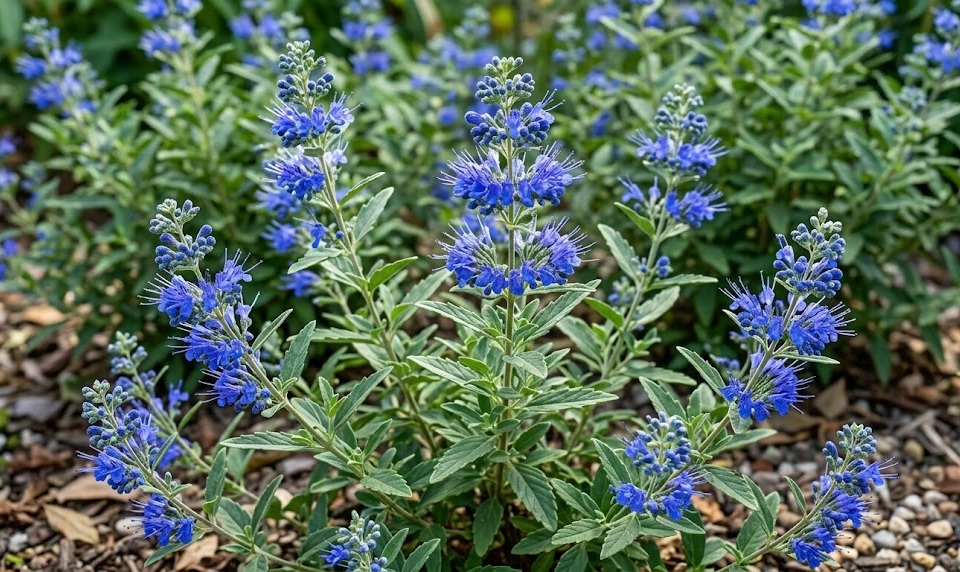

Maintaining the health of a bluebeard shrub requires a proactive approach to identifying and managing potential biological threats. While this plant is generally considered to be pest-resistant due to its aromatic foliage, it is not entirely immune to the pressures of a diverse garden ecosystem. Understanding the specific environmental conditions that favor certain pathogens is essential for any professional gardener. By focusing on prevention and early detection, you can ensure that your bluebeards remain a vibrant and trouble-free component of your late-summer landscape for many years.
Managing root rot and soil-borne pathogens
Root rot is the most significant and potentially devastating disease that affects the bluebeard, often caused by the Phytophthora fungus. This pathogen thrives in cool, wet soils where drainage is poor and oxygen levels are low, leading to a rapid decline in the plant’s health. You will first notice the symptoms as a general wilting of the foliage, even when the soil appears to be wet. As the disease progresses, the lower stems may turn brown or black, and the plant will eventually die as its root system disintegrates.
Prevention is far more effective than any chemical treatment once root rot has taken hold of a specimen. You must ensure that the planting site has excellent drainage and that you are not overwatering the shrub during the growing season. If you suspect a plant is suffering from early-stage rot, immediately stop all supplemental watering and try to improve the airflow around the base. In severe cases, it is often best to remove the infected plant and the surrounding soil to prevent the fungus from spreading to neighboring shrubs.
Another soil-borne issue to be aware of is Verticillium wilt, which can cause sudden branch die-back on one side of the plant. This fungus enters through the roots and clogs the plant’s vascular system, preventing the movement of water and nutrients to the upper canopy. You might see the leaves turn yellow or brown prematurely before falling off the affected stems. While there is no direct cure for this wilt, keeping the plant healthy through proper pruning and stress management can help it tolerate the infection.
To minimize the risk of soil diseases, always source your plants from reputable nurseries that maintain high standards of sanitation. You should also avoid planting bluebeards in locations where other susceptible species have recently died from similar issues. Cleaning your gardening tools with a disinfectant between uses is a simple but critical step in preventing the mechanical spread of pathogens. A healthy, well-sited bluebeard is its own best defense against the hidden dangers lurking beneath the soil surface.
More articles on this topic
Dealing with leaf spots and fungal infections
While the foliage of the bluebeard is usually quite clean, certain weather patterns can encourage the development of leaf spot diseases. These are often caused by fungi like Cercospora or Septoria, which produce small, dark lesions on the surface of the leaves. You will typically see these spots during periods of high humidity combined with warm temperatures and frequent rainfall. While a few spots are mostly an aesthetic issue, a severe infection can lead to premature leaf drop and a weakened plant.
Improving air circulation is the most effective way to manage foliar fungal diseases without resorting to heavy chemical use. You should ensure that your plants are spaced correctly and that you prune them annually to open up the interior of the shrub. This allows the leaves to dry out more quickly after rain or dew, making it much harder for fungal spores to germinate. Avoid overhead watering, which keeps the foliage wet for extended periods and provides the perfect environment for infection.
Powdery mildew is another occasional visitor, appearing as a white, dusty coating on the upper surfaces of the leaves and stems. This fungus is unique because it thrives in warm, dry weather followed by humid nights, often appearing late in the season. While it rarely kills the plant, it can make the shrub look unsightly and may reduce its overall vigor if it covers a large percentage of the foliage. You can manage mild cases by simply removing the most affected branches or by using a gentle, sulfur-based spray.
If you find that your bluebeards are consistently plagued by leaf diseases, it might be worth investigating more resistant cultivars. Some modern varieties have been bred specifically for their cleaner foliage and better performance in humid climates. Always clear away fallen leaves in the autumn, as these can harbor fungal spores that will re-infect the plant the following spring. Good garden hygiene is a professional standard that pays dividends in the form of healthier, more beautiful plants.
More articles on this topic
Common insect pests and their impact
The aromatic oils found in the leaves of the bluebeard act as a natural repellent for many insects, but some species have evolved to overcome this defense. Aphids are perhaps the most frequent pest, often congregating on the tender new growth in the early spring. These small, sap-sucking insects can cause the leaves to curl and become distorted if their population is allowed to grow unchecked. You will often see ants crawling on the stems, as they are attracted to the sweet honeydew that aphids excrete.
Four-lined plant bugs are another pest that can cause distinctive damage to the foliage of the bluebeard during the early summer. These insects leave small, circular, transparent spots on the leaves, which can sometimes be mistaken for a fungal disease. The damage is primarily cosmetic and usually ceases once the adult bugs move on later in the season. Because the bluebeard is so vigorous, it can typically outgrow this minor feeding damage without any lasting impact on its health or flowering.
Spider mites can become a problem during hot, dry spells when the plant is under stress and the air is very still. These tiny pests live on the undersides of the leaves, where they suck out the chlorophyll and leave the foliage looking pale and speckled. You might notice fine webbing between the stems if the infestation is particularly heavy. Increasing the humidity around the plant or giving it a strong blast of water from a hose can often be enough to knock back the mite population.
Whiteflies are sometimes found on the undersides of the leaves, especially in gardens with many other susceptible host plants. These insects fly up in a cloud when the plant is disturbed and, like aphids, produce honeydew that can lead to the growth of black sooty mold. While they are rarely a major threat to the bluebeard’s survival, they can be a nuisance and may transmit viral diseases. Monitoring your plants regularly allows you to catch these insect issues before they become a significant problem.
Integrated pest management and prevention strategies
The best way to handle pests and diseases is through an Integrated Pest Management (IPM) approach that prioritizes the health of the entire ecosystem. This means you should start by creating the best possible growing conditions, as a stressed plant is always more attractive to attackers. By ensuring proper light, drainage, and nutrition, you give the bluebeard the resources it needs to defend itself naturally. A professional gardener spends more time observing and preventing than they do spraying or treating.
Encouraging natural predators is a key component of a successful IPM strategy in the garden. Ladybugs, lacewings, and predatory wasps are all excellent allies in the fight against aphids and other soft-bodied insects. By avoiding broad-spectrum pesticides, you allow these beneficial insects to establish a population that will keep the pests in check for you. The bluebeard itself is a magnet for many of these helpful insects, creating a self-regulating micro-environment.
If manual intervention becomes necessary, always start with the least toxic options available to minimize the impact on the environment. A strong stream of water can dislodge many insects, while insecticidal soaps or neem oil can be effective for more persistent issues. These products work on contact and have a very short residual life, making them safer for pollinators and other non-target species. Always read the label and apply these treatments during the coolest part of the day to avoid damaging the plant’s foliage.
Regular scouting is the final piece of the prevention puzzle, as it allows you to identify problems while they are still small and manageable. Make it a habit to look closely at the foliage and stems of your bluebeards at least once a week during the growing season. Early detection of a fungal spot or a cluster of aphids can be the difference between a simple fix and a major headache. Your attention to detail is the most powerful tool you have for maintaining a pest-free garden.
Natural treatments and cultural controls
Cultural controls are the everyday habits and techniques that reduce the likelihood of disease and pest outbreaks without the use of chemicals. This includes things like proper pruning, which removes old wood that could harbor pathogens and improves light penetration into the center of the shrub. It also involves the careful management of the area around the plant, such as keeping it free of weeds that might host pests. These simple actions create a clean and healthy environment where the bluebeard can thrive.
Using organic mulches is another cultural control that benefits the plant in multiple ways, including disease prevention. By covering the soil, you prevent soil-borne fungal spores from splashing up onto the leaves during heavy rain. This physical barrier can significantly reduce the incidence of leaf spot diseases in many gardens. As the mulch breaks down, it also supports a diverse community of soil organisms that can suppress harmful pathogens naturally.
For those who prefer natural remedies, home-made solutions like baking soda sprays can be used to manage early signs of powdery mildew. A mixture of water, a small amount of horticultural oil, and baking soda changes the pH on the leaf surface, making it inhospitable for the fungus. This type of treatment is gentle on the environment but requires regular re-application to be effective. It is an excellent choice for the gardener who wants to maintain a professional standard while avoiding synthetic fungicides.
In conclusion, while the bluebeard is a resilient and generally healthy shrub, it still benefits from a watchful eye and a professional care routine. By understanding the common threats and how to prevent them, you can enjoy the stunning blue flowers and aromatic leaves of this plant without the stress of constant disease or pest battles. A healthy garden is a balanced one, and the bluebeard is a perfect example of a plant that rewards a thoughtful, nature-based approach. Your commitment to these principles will result in a thriving landscape that stands the test of time.
While Caryopteris is generally quite hardy, I have seen occasional issues with capsid bugs in certain urban environments. These pests can cause distorted growth and small holes in the young leaves, which can be quite unsightly. However, the damage is usually purely cosmetic and doesn’t threaten the long-term health of the shrub. I find that a healthy population of predatory insects, such as damsel bugs, usually keeps them under control. It’s another reason to avoid broad-spectrum insecticides that can disrupt this natural balance.
I’ve noticed exactly that on some of my clients’ plants in the city center. The damage often looks like little brown spots that eventually drop out, leaving a “shothole” appearance. I’ve found that simply pruning out the most affected tips can help if the infestation is caught early. It also stimulates a fresh flush of healthy growth which usually stays clear of the bugs. I appreciate the point about the predatory insects; I’ll definitely mention that to my clients who are quick to want a spray solution.
The most serious “pest” for bluebeard is often the gardener with a heavy watering can. As the article correctly states, the environmental conditions are what usually favor pathogens. Root rot, caused by Phytophthora, is the most common cause of sudden death in Caryopteris. If you see the entire plant wilting while the soil is still wet, it’s often too late to save it. The best defense is always a well-draining site and a moderate approach to irrigation.