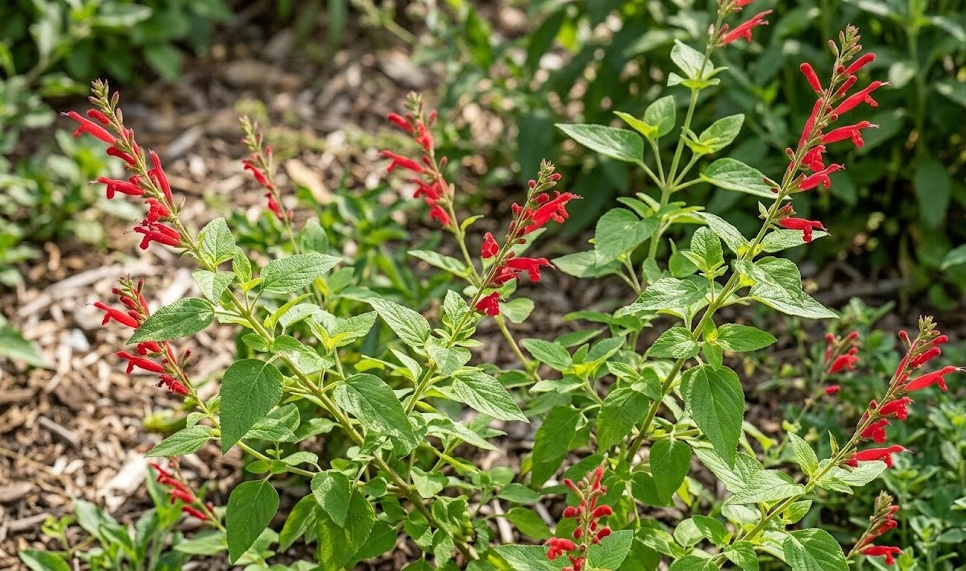

Preparing pineapple sage for the winter months is a vital task for gardeners who want to enjoy this aromatic sub-shrub for more than a single season. Depending on your hardiness zone, this process can range from a simple layer of mulch to moving the entire plant into a controlled indoor environment. Because pineapple sage is native to the warmer climates of Mexico, it is not naturally equipped to handle prolonged freezing temperatures. Taking the time to understand the specific needs of your plant during the dormant phase will ensure a successful return to growth when spring finally arrives.
In regions with mild winters, pineapple sage can often survive outdoors with just a little bit of extra attention to the root zone. However, in colder areas where the ground freezes solid, the plant is usually treated as a tender perennial or an annual. If you value your specific specimen, you should have a clear plan in place well before the first frost is forecasted. The goal is to keep the crown and roots alive, even if the above-ground foliage is killed back by the cold.
Timing is everything when it comes to overwintering strategies, as acting too late can result in irreversible damage to the plant’s vascular system. You should monitor the local weather closely and begin your preparations as the days get shorter and the nights start to feel crisp. This transitional period is the perfect time to assess the health of your plants and decide which ones are worth the effort of saving. A proactive approach is always better than trying to revive a frost-bitten plant in the middle of January.
In this guide, we will explore the different professional methods for keeping your pineapple sage alive through the darkest months of the year. We will discuss indoor and outdoor techniques, as well as the important transition period that occurs in the spring. Whether you have a large garden or just a few pots on a balcony, these strategies will help you maintain your botanical collection year after year. Let’s look at how to give your sage the best possible chance of surviving the winter chill.
Preparing for the first frost
As the autumn season progresses, you will notice that the growth of your pineapple sage begins to slow down as it prepares for dormancy. This is a natural signal that it’s time for you to start your own preparations for the coming cold. You should stop fertilizing at least six weeks before the expected first frost date to avoid encouraging soft, new growth that would be easily damaged by freezing temperatures. Allowing the plant to naturally “harden off” is the first step in a successful overwintering process.
More articles on this topic
If you plan to keep your sage outdoors in a borderline climate, applying a thick layer of organic mulch is one of the most effective things you can do. Materials like straw, fallen leaves, or wood chips can act as an insulating blanket for the soil, preventing the root zone from experiencing rapid temperature fluctuations. You should aim for a layer at least four to six inches deep, making sure to cover the base of the plant thoroughly. This extra warmth can be the difference between life and death for the dormant roots.
Before the frost hits, you should also give the plant a final deep watering to ensure the tissues are well-hydrated. Moist soil actually holds heat much better than dry soil, providing a small but significant buffer against the cold. However, be careful not to overdo it, as you don’t want the roots to be sitting in stagnant, cold water throughout the winter. Finding that perfect balance of moisture is a key skill for any gardener dealing with tender perennials.
For plants that are particularly large or exposed, you might also consider providing some physical protection against cold winds. A simple structure made of stakes and burlap can serve as a windbreak, reducing the desiccating effects of the winter air. Just be sure that the material does not touch the foliage directly, as this can transfer the cold and cause frost burn. These small investments in time and materials can pay off handsomely when you see those first green shoots reappear in the spring.
Indoor overwintering techniques
For those living in cold climates, the most reliable way to save pineapple sage is to move it indoors before the temperature drops below freezing. If your plant is already in a container, this process is quite simple, but ground-grown plants will need to be carefully dug up and potted. You should prune the plant back by about one-third to make it more manageable and to reduce the stress on the roots during the move. This also helps to prevent any pests that might be hiding in the foliage from entering your home.
More articles on this topic
Once inside, the plant needs to be placed in a very bright spot, such as a south-facing window or under a high-quality grow light. Without enough light, the sage will become weak and spindly as it stretches to find energy. The indoor temperature should be kept relatively cool, ideally between 10 and 15 degrees Celsius, to encourage a period of semi-dormancy. Avoid placing the plant near heat vents or drafty doors, as sudden changes in temperature can cause significant stress.
Watering your indoor sage requires a much lighter touch than during the summer growing season. Since the plant is not actively growing and the light levels are lower, it will need significantly less moisture to survive. You should wait until the top few inches of soil feel dry to the touch before adding a small amount of water. Overwatering indoors is a common cause of death for overwintering plants, as it quickly leads to root rot in the stagnant air.
Keep a close eye on your indoor plants for any signs of common household pests like spider mites or fungus gnats. These insects can thrive in the dry, warm air of a heated home and can quickly spread to your other houseplants. If you notice any issues, treat them immediately with an organic solution like neem oil or insecticidal soap. With a little bit of care and attention, your pineapple sage can make a very attractive and fragrant addition to your indoor winter garden.
Protecting outdoor plants in mild climates
If you are fortunate enough to live in a region where the winters are relatively mild, you can often leave your pineapple sage in the ground with minimal protection. In these areas, the plant may not even go fully dormant, although its growth will certainly slow down. Your main goal in this scenario is to protect the plant from the occasional cold snap or heavy frost that can still occur. Having a few frost blankets or old sheets on hand to cover the plants during these events is a wise precaution.
One of the unique challenges of mild-winter gardening is the increased risk of fungal diseases due to the damp, cool weather. You should ensure that there is still good air circulation around your plants, even if you have applied mulch or other protective covers. Avoid crowded planting and consider thinning out some of the older stems to let more light and air into the center of the bush. Keeping the garden clean by removing fallen leaves and debris will also help to reduce the population of overwintering pathogens.
You should also be mindful of your watering routine during a mild winter, as the plants may still need some hydration if the weather remains dry. Check the soil moisture levels regularly, especially after a period of drying winds which can quickly dehydrate the evergreen foliage. Remember that the goal is to keep the soil consistently moist but not saturated. If your area experiences high winter rainfall, you may need to improve the drainage around your plants to prevent them from becoming waterlogged.
As the winter draws to a close, you can start to gradually remove any protective covers and mulch to allow the soil to warm up. This should be done slowly over a period of a few weeks, as a sudden exposure to the spring sun can sometimes be a shock. Once the threat of frost has passed, you can perform a rejuvenation prune to remove any damaged parts and encourage new growth. A little bit of winter care goes a long way in ensuring your garden is ready to burst into life as soon as the weather turns.
Transitioning back to spring growth
The transition from the dormant winter phase to the active spring growing season is a critical time for pineapple sage. As the days lengthen and temperatures rise, you will start to see the first tiny green buds appearing along the stems or at the base of the plant. This is your cue to begin increasing your watering frequency and to think about the first fertilization of the year. It’s an exciting moment for any gardener, signaling that the hard work of overwintering has been successful.
Before the plant really starts to take off, you should perform a thorough cleanup of the surrounding area. Remove any remaining winter mulch and clear away dead leaves or stems that may have accumulated over the past few months. This not only makes the garden look better but also eliminates potential hiding spots for pests and diseases. If you had moved your plants indoors, now is the time to start the “hardening off” process to get them ready for life back outside.
To harden off your indoor plants, start by placing them in a sheltered, shady spot for just a few hours each day. Gradually increase their exposure to direct sunlight and wind over the course of ten to fourteen days. This slow acclimation allows the plant tissues to toughen up and adjust to the more intense outdoor conditions. Skipping this step can lead to sun-scorched leaves and a significant setback in the plant’s development for the coming season.
Once the danger of frost is completely gone and your plants are fully acclimated, you can move them back to their permanent garden positions. This is also a great time to divide any overgrown clumps or to take new cuttings to further expand your collection. With the foundation you built during the winter, your pineapple sage will be well-positioned to reach its full potential and provide another season of beauty and fragrance. The cycle of the seasons is one of the most rewarding aspects of professional horticulture.