
Proper hydration and nutrition are the two pillars that support the lush growth and delicate flowering of the wood sorrel. Unlike many garden plants, this woodland species has very specific requirements that must be met to avoid stress or decline. Finding the right balance between too much and too little is the hallmark of a professional gardener. By understanding the plant’s unique physiology, you can provide the care it needs to flourish in any suitable environment.
The primary rule for watering this plant is to maintain a consistent level of moisture without ever allowing the soil to become saturated. In its natural forest home, the soil stays damp due to the shade and the high organic content of the forest floor. You should aim to replicate this by checking the soil moisture regularly, especially during the warmer months of the year. If the soil is allowed to dry out completely, the plant will quickly wilt and may enter a forced dormancy.
Fertilizing the wood sorrel requires a very light touch, as the plant is adapted to the low-nutrient conditions of the forest floor. Over-fertilizing can lead to excessive foliage growth at the expense of flowers, or even damage the sensitive root system. Using organic methods is almost always preferable to synthetic chemicals for this particular species. A slow and steady supply of nutrients is much more beneficial than a sudden burst of concentrated fertilizer.
Watering should ideally be done at the base of the plant to keep the delicate foliage as dry as possible. This helps to prevent the development of fungal diseases that thrive in damp, stagnant air around the leaves. Using a watering can with a fine rose or a soaker hose is an effective way to deliver moisture directly to the root zone. Pay close attention to the weather patterns and adjust your watering schedule to account for natural rainfall and evaporation rates.
Hydration requirements and patterns
The frequency of watering will vary depending on the season, the local climate, and the specific location of your planting. During the active growth phase in spring and early summer, the plant’s demand for water is at its highest point. You may find that daily watering is necessary during particularly dry spells to keep the shallow rhizomes hydrated. Always feel the soil before watering to ensure that you are not adding moisture to an already damp substrate.
More articles on this topic
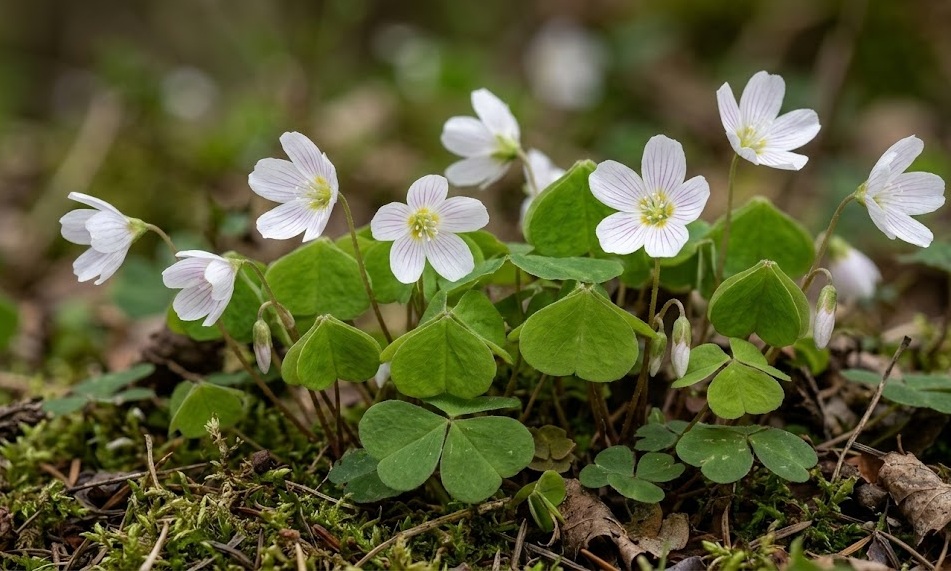
The plant itself will often provide clear visual cues when its hydration levels are beginning to drop dangerously low. The three heart-shaped leaflets will droop and lose their characteristic turgidity if the soil becomes too dry for its liking. If you catch these signs early, a thorough soaking can usually revive the plant within a few hours. However, repeated cycles of wilting and recovery will eventually weaken the plant and make it more susceptible to other problems.
In the autumn, as the wood sorrel prepares for its winter rest, its need for supplemental watering will naturally decrease. You should gradually reduce the amount of water you provide to allow the plant to transition into its dormant state. During the winter months, the soil only needs to stay slightly moist to keep the dormant rhizomes from desiccating. Overwatering during the cold season is a common mistake that can lead to root rot and the loss of the entire colony.
Morning is the best time to water your wood sorrel, as this allows any moisture on the leaves to evaporate during the day. Avoid watering in the late evening, especially in humid climates, as this can encourage the growth of mold and mildew. If you are growing the plant in a container, remember that pots dry out much faster than garden soil and require more frequent attention. Consistency is the most important factor in developing a healthy and resilient watering routine for this species.
Impact of water quality
The type of water you use can have a surprising impact on the health and appearance of your wood sorrel over time. Many woodland plants are sensitive to the high levels of chlorine and fluoride often found in municipal tap water. Using collected rainwater is the most natural and beneficial option for keeping your plants hydrated and happy. If rainwater is not available, letting tap water sit in an open container for twenty-four hours can help some of the chemicals dissipate.
More articles on this topic
High levels of calcium or magnesium in “hard” water can gradually raise the pH of the soil, making it too alkaline for the plant. Since the wood sorrel prefers acidic conditions, this slow shift in soil chemistry can lead to nutrient deficiencies and yellowing leaves. If you live in an area with very hard water, you may need to supplement your care routine with an occasional application of an acidifying agent. Monitoring the soil pH every few years will help you catch and correct any issues before they become serious.
The temperature of the water is another factor that can affect the plant, particularly if it is grown in a controlled environment. Using ice-cold water directly from a hose can shock the sensitive roots and temporarily stall the plant’s growth. It is better to use water that is close to the ambient air temperature to ensure a gentle and stress-free hydration process. This is especially important during the transition periods of spring and autumn when the plant is most vulnerable to change.
In some cases, the presence of heavy metals or other pollutants in the water can lead to toxicity in the plant’s tissues. This is more common in urban areas or near industrial sites where groundwater may be contaminated with various substances. If you suspect that your water quality is poor, having it tested or using a high-quality water filter can protect your delicate garden plants. Providing clean and pure water is one of the simplest ways to ensure the long-term vitality of your wood sorrel.
Nutrient requirements for growth
The wood sorrel has evolved to thrive in environments where nutrients are released slowly through the decomposition of organic matter. It does not require high levels of nitrogen, phosphorus, or potassium to produce its characteristic foliage and delicate white flowers. In fact, a soil that is too rich can lead to a lush but weak plant that is more prone to pests and diseases. The key is to provide a balanced and low-level supply of the essential elements needed for healthy development.
Micronutrients like iron, manganese, and magnesium also play a vital role in the physiological processes of this woodland perennial. A deficiency in any of these minerals can cause chlorosis, where the leaves turn yellow while the veins remain green. This is often a symptom of the soil pH being too high, which prevents the plant from absorbing the minerals already present in the soil. Maintaining the correct acidity is usually more important than adding more minerals to the planting site.
The timing of nutrient application should coincide with the plant’s natural growth cycles for the best possible results. The most beneficial time to provide extra nutrition is in the very early spring just as the new shoots are beginning to emerge. This gives the plant the resources it needs to produce a strong flush of leaves and a beautiful display of spring flowers. Avoid feeding the plant in the late summer or autumn, as this can encourage late-season growth that will not have time to harden before winter.
Observing the plant’s growth habits can tell you a lot about whether its nutrient needs are being met effectively. A healthy wood sorrel should have vibrant, deep green leaves and a steady but controlled rate of expansion. If the leaves appear stunted or unusually pale, it may be a sign that the soil is depleted or the pH is out of balance. Conversely, if the plant is growing excessively fast with very large, soft leaves, it may be receiving too much nitrogen.
Organic versus chemical fertilization
Using organic fertilizers is widely considered the best practice for maintaining the health of woodland plants like the wood sorrel. Organic options like well-rotted compost, leaf mold, or seaweed extract provide a complex range of nutrients that are released slowly over time. They also help to improve the soil structure and support the beneficial microbes that are essential for a healthy root environment. This holistic approach mimics the natural cycles of the forest and promotes long-term sustainability in the garden.
Chemical fertilizers, on the other hand, provide nutrients in a highly concentrated and immediately available form. While this can lead to a quick growth spurt, it often bypasses the natural biological processes of the soil and can lead to salt buildup. The sensitive rhizomes of the wood sorrel can be easily damaged by the high salt content found in many synthetic plant foods. If you must use a chemical fertilizer, choose one that is specifically formulated for acid-loving plants and dilute it to half strength.
The environmental impact of your choice of fertilizer is another important consideration for many modern gardeners. Organic fertilizers are generally more environmentally friendly and do not contribute to the problem of nutrient runoff into local waterways. They are also safer for use around pets, children, and the various beneficial insects that inhabit your garden space. Choosing sustainable and natural products aligns with the professional and ecological values of high-quality horticulture.
Applying organic matter as a top-dressing is the most effective and least intrusive way to fertilize your wood sorrel patch. Simply spread a thin layer of compost or leaf mold over the area once a year and let the natural processes of the soil do the rest. This method avoids disturbing the shallow roots and provides a constant, gentle source of nutrition throughout the growing season. It is a simple, effective, and professional technique that produces excellent results with minimal effort.
Signs of overwatering and over-fertilizing
Recognizing the early symptoms of over-care is just as important as knowing how to provide the right amount of water and nutrients. Overwatering often manifests as a general yellowing of the foliage and a softening of the stems at the base of the plant. If the soil remains saturated for too long, you may also notice a distinct sour smell coming from the root zone, indicating rot. At this stage, it is critical to stop watering immediately and allow the soil to dry out as much as possible.
Excessive fertilization can cause “fertilizer burn,” which appears as brown, crispy edges on the leaves or a white crust on the soil surface. The plant may also produce an abundance of lush, dark green foliage that is unusually attractive to aphids and other sucking pests. If you suspect you have over-fertilized, you can try to flush the soil with plenty of clean, fresh water to wash away the excess salts. However, this is difficult to do in a garden setting without also causing problems with overwatering.
One of the most common mistakes is misinterpreting the plant’s natural leaf-folding behavior as a sign of thirst. The wood sorrel closes its leaves during the heat of the day to conserve moisture, not necessarily because it is out of water. Adding more water at this time when the soil is already damp will lead to the very problems you are trying to avoid. Always check the actual moisture level of the soil with your finger before reaching for the watering can or hose.
Maintaining a detailed log or garden diary can help you track your watering and fertilizing habits over the course of the year. This allows you to identify patterns and make adjustments based on the plant’s performance in previous seasons. If a particular patch of wood sorrel consistently struggles, it may be that the location is poorly drained or the soil chemistry is fundamentally wrong. Professional gardening is about continuous learning and adapting your techniques to the specific needs of the plants in your care.