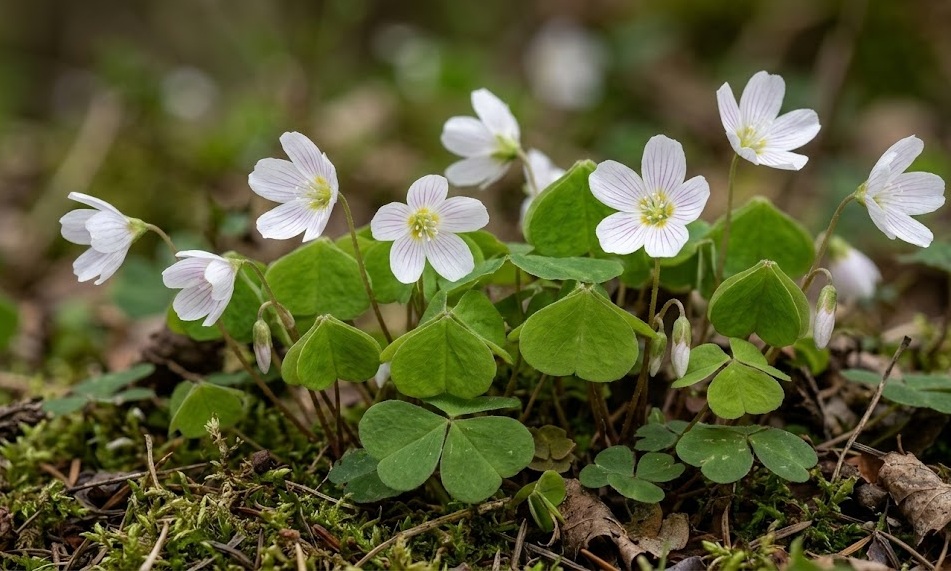

Establishing a new colony of these charming woodland plants requires a careful approach to both timing and technique. Whether you are starting from seed or using vegetative methods, the goal is to provide a stable and nourishing environment. The success of the planting process depends heavily on the preparation of the site and the quality of the starting material. By following professional guidelines, you can ensure that your wood sorrel develops into a healthy and expanding groundcover.
The best time to begin the planting process is during the early spring or late autumn when the weather is mild and the soil is moist. This allows the plants to establish their root systems before the onset of extreme summer heat or winter cold. If you are planting in a garden, choose a location that offers dappled shade and protection from strong winds. Preparing the soil in advance by incorporating organic matter will give your new plants the best possible start in their new home.
When handling the young plants or rhizomes, it is essential to be extremely gentle to avoid damaging the fragile structures. The wood sorrel has a shallow root system that can be easily crushed or dried out if exposed to the air for too long. Keep the planting material in a shaded, damp container until the moment it is placed into the ground. A quick transition from the nursery or propagation bed to the final planting site will minimize transplant shock and encourage faster growth.
Proper spacing is another important factor to consider when laying out your new planting of wood sorrel. While you may want an instant carpet of green, it is better to give each plant enough room to spread naturally. A distance of fifteen to twenty centimeters between plants is usually sufficient to allow for future expansion without immediate overcrowding. As the plants grow, they will eventually fill in the gaps to create a seamless and beautiful woodland display.
Seed selection and preparation
Propagating this species from seed is a rewarding process that requires patience and a bit of specialized knowledge. The seeds are contained in small capsules that explode when ripe, scattering the seeds over a wide area. To collect them, you must monitor the capsules closely and harvest them just before they are ready to burst. Fresh seeds have a much higher germination rate than those that have been stored for a long period of time.
More articles on this topic
Cold stratification is often necessary to break the dormancy of the seeds and trigger the germination process successfully. This mimics the natural winter conditions the seeds would experience on the forest floor before sprouting in the spring. You can achieve this by placing the seeds in a damp medium and storing them in a refrigerator for several weeks. Once the stratification period is over, the seeds can be sown in a protected environment with consistent moisture and light.
The sowing medium should be a fine-textured, sterile mix that provides excellent drainage while retaining enough moisture for the developing seedlings. Scatter the seeds thinly across the surface and press them gently into the medium, but do not cover them deeply with soil. They require a certain amount of light to stimulate the germination process, so a very light dusting of fine sand or vermiculite is all that is needed. Keep the trays in a cool, bright location and maintain a constant level of humidity.
Once the seedlings have developed their first set of true leaves, they can be carefully thinned or moved to individual containers. At this stage, they are still very delicate and must be protected from direct sunlight and drying winds. Gradually hardening off the young plants by exposing them to outdoor conditions over several days is an essential step before final planting. This slow transition helps the seedlings build up the necessary strength to survive in the garden environment.
Division of rhizomes
Dividing the rhizomes is perhaps the most common and effective way to propagate the wood sorrel in a garden setting. This method allows you to create new plants that are genetically identical to the original and are already well-adapted to the local conditions. The best time for division is in the early spring just as the plant is beginning its new growth cycle. Carefully lift a small clump of the plant from the edge of an established colony using a hand trowel.
More articles on this topic
Gently pull the rhizomes apart, ensuring that each new section has at least one or two growing points or “eyes” and some attached roots. It is important to keep the rhizomes moist throughout this entire process to prevent the fine root hairs from dying back. You can wrap the divided sections in a damp paper towel or place them in a bowl of water if you are not planting them immediately. The smaller the divisions, the more care they will require during their initial establishment phase.
Replanting the divided sections should be done at the same depth as they were previously growing in the soil. Spread the roots out horizontally and cover them with a light layer of soil, pressing down gently to remove any large air pockets. Water the new plantings thoroughly to help settle the soil around the rhizomes and provide immediate hydration. A light application of mulch around the new divisions will help protect them and keep the soil moisture levels consistent.
Monitor the newly divided plants closely for the first few weeks to ensure they are recovering well from the move. You may see some initial wilting or leaf drop, but new growth should soon emerge from the center of the plant. Avoid fertilizing the new divisions until they show clear signs of established growth, as the salts in fertilizer can harm the sensitive new roots. With proper care, these divisions will quickly expand and become part of your permanent woodland garden.
Soil preparation for new plants
Creating the perfect soil environment is the most important step in ensuring the success of your new wood sorrel planting. Start by removing any existing weeds or aggressive grasses that might compete with the young plants for resources. Incorporate a generous amount of well-rotted leaf mold, compost, or peat moss into the top ten to fifteen centimeters of the soil. This will improve the soil’s ability to hold moisture and provide the acidic conditions that the plant prefers.
If your garden soil is naturally heavy or prone to compaction, adding some coarse grit or sharp sand will help improve the drainage. The wood sorrel does not tolerate “wet feet” and will quickly rot if the soil remains saturated for extended periods. The goal is to create a substrate that is moist and cool but allows excess water to move away freely. Aim for a texture that feels crumbly and rich, similar to the natural duff layer of a healthy forest.
Checking the pH of the soil before planting can save you a lot of trouble and disappointment in the future. If the soil is too alkaline, you can lower the pH by adding elemental sulfur or aluminum sulfate according to the manufacturer’s instructions. Alternatively, consistent use of acidic organic mulches like pine bark or needles will gradually shift the pH over time. A balanced and appropriate soil chemistry is the foundation upon which the health of your colony will be built.
Once the soil has been amended and leveled, it is a good idea to let it settle for a few days before you begin the actual planting. This allows the moisture levels to stabilize and gives you a chance to see if any further adjustments are needed. Moisten the area thoroughly a day before planting so that the soil is damp but not muddy when you are ready to work. Taking the time to prepare the site properly will pay dividends in the form of healthier and more resilient plants.
Post-planting care for establishment
The first few months after planting are a critical time for the wood sorrel as it adapts to its new environment. You must ensure that the soil remains consistently moist but never waterlogged during this establishment phase. If the weather is dry, you may need to water the new plants every few days to prevent them from drying out. A light mulch around the base of the plants will help retain moisture and keep the roots cool as they grow.
Protecting the new planting from extreme environmental conditions is essential for preventing transplant shock and ensuring long-term success. If an unexpected heatwave occurs, provide temporary shade using a piece of cloth or a garden umbrella. Similarly, if a late spring frost is predicted, cover the young plants with a light layer of fleece or a bucket overnight. These simple precautions can make the difference between a thriving colony and a failed planting attempt.
Avoid the temptation to fertilize your new wood sorrel plants during their first growing season in the garden. The organic matter you incorporated into the soil during preparation should provide all the nutrients the young plants need. Adding concentrated fertilizers can actually hinder the development of a strong and healthy root system. Focus instead on maintaining the correct moisture and light levels to support natural and steady growth throughout the year.
As the plants begin to spread and fill in the designated area, you can gradually reduce the level of intensive care. Once established, the wood sorrel is a relatively low-maintenance plant that can look after itself under the right conditions. Continue to monitor the colony for any signs of pests or diseases, and remove any encroaching weeds as they appear. A successful planting will eventually become a self-sustaining part of your garden’s ecosystem for many years to come.