
Even the most resilient climbers can occasionally fall victim to various pathogens and hungry insects that inhabit our gardens. You should approach pest and disease management with a mindset of prevention and early detection rather than just reacting to a crisis. Understanding the common threats allows you to create an environment where the plant has the upper hand against its natural enemies. A healthy, well-maintained vine is always the first and best line of defense against any potential infestation or infection.
Fungal issues are the most frequent problems you will encounter, especially during periods of high humidity or excessive rainfall in the summer. You should focus on improving air circulation within the dense foliage by thinning out some of the crowded and overlapping stems. Keeping the base of the plant clear of debris also removes the damp hiding places where many fungal spores like to overwinter and thrive. If you notice strange spots or powdery coatings on the leaves, it is time to take immediate action to prevent the spread.
Insects can range from minor nuisances that cause cosmetic damage to serious pests that can weaken the entire structural integrity of the vine. You should encourage natural predators like ladybugs, hoverflies, and birds to do the hard work of pest control for you in the garden. Avoiding broad-spectrum pesticides is crucial, as these chemicals often kill the “good bugs” along with the “bad ones,” leading to more problems later. A balanced ecosystem is a much more sustainable and effective way to manage the insect populations on your valuable plants.
Bacterial and viral infections are less common but can be devastating because there are often very few effective treatments available for them. You should always buy your plants from reputable sources to ensure they are starting off with a clean bill of health and no hidden issues. If you suspect a serious infection, it is often best to remove and destroy the affected parts of the plant to protect the rest of the garden. Good hygiene, including cleaning your pruning tools, is the most effective way to prevent the accidental transmission of these invisible threats.
Identifying common fungal diseases
Powdery mildew is a very common sight on many climbers, appearing as a white, flour-like dusting on the upper surfaces of the leaves. You should realize that this fungus thrives in warm, dry weather where the air is stagnant around the dense growth of the vine. While it is mostly cosmetic in the early stages, a severe infection can cause the leaves to distort, turn yellow, and fall off prematurely. Increasing the spacing between plants and watering only at the base can significantly reduce the incidence of this unsightly and stressing problem.
More articles on this topic
Leaf spot diseases are caused by various fungi that thrive in wet conditions and create brown or black lesions on the foliage of the plant. You should avoid overhead watering, as wet leaves provide the perfect environment for these spores to germinate and infect the healthy tissues. If you see affected leaves, pick them off immediately and dispose of them in the trash, never in your home compost pile. Improving the overall vigor of the plant through proper fertilization will also help it resist the spread of these common fungal invaders.
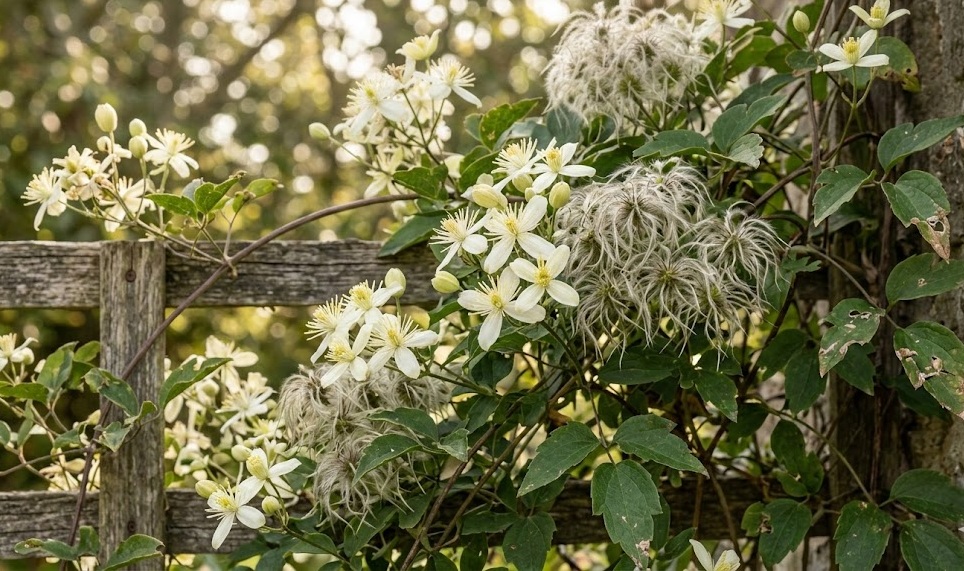
Clematis wilt is perhaps the most feared disease for fans of this genus, although it is less common in the more vigorous species like this one. You will see a sudden, dramatic collapse of one or more stems, with the leaves turning black and hanging limply as if they have been scorched. If this happens, you should cut the affected stem back to ground level, even if it means removing a large portion of the visible growth. Because you planted the vine deeply, new healthy shoots will often emerge from the protected buds beneath the soil surface.
Root rot is a silent killer that happens underground when the soil remains waterlogged for extended periods during the rainy season or through over-watering. You might notice the plant looking thirsty and wilting even when the soil is wet, because the damaged roots can no longer take up any water. Improving the drainage of the planting site is the only long-term solution to this problem, as most plants cannot recover once the main root system has decayed. Prevention through proper site selection is always easier than trying to save a drowning plant from a certain and slow death.
Dealing with bacterial and viral threats
Bacterial gall can sometimes appear as lumpy, irregular growths on the stems or at the crown of the plant near the soil line. You should be aware that these bacteria enter through wounds caused by pruning, insects, or accidental physical damage to the bark. While the galls themselves may not kill the plant, they disrupt the flow of nutrients and can significantly weaken the overall structure over time. If you find galls, it is best to prune out the affected branches using sterilized tools to prevent further spreading of the infection.
More articles on this topic
Viral infections often manifest as strange mottling, streaking, or mosaic patterns on the leaves that do not look like simple nutritional deficiencies. You might also see distorted growth or stunted development that does not respond to watering or the application of extra fertilizers. Unfortunately, there is no cure for most plant viruses, and the infection remains in the plant’s vascular system for the rest of its life. To protect the rest of your garden, you should consider removing the infected plant entirely and replacing it with a healthy, certified specimen.
Hygiene is your most powerful weapon against the spread of both bacterial and viral pathogens across your entire landscape and garden collection. You should always clean your pruners and saws with an alcohol-based disinfectant after working on a plant that looks unhealthy or suspicious. Avoid touching healthy plants immediately after handling an infected one, as you can easily move the invisible pathogens on your hands or clothing. These simple habits are the mark of a professional gardener who takes the long-term health of their outdoor space seriously.
Vectors are the insects, such as aphids and leafhoppers, that carry viruses and bacteria from one plant to another as they feed on the sap. You can reduce the risk of infection by managing these pest populations and keeping them at a manageable level through natural or organic means. Creating a diverse garden with plenty of flowers will attract the predatory insects that keep these disease-carrying pests in check. By focusing on the health of the entire ecosystem, you are indirectly protecting your climber from some of its most dangerous and invisible enemies.
Common insect pests and their management
Aphids are small, soft-bodied insects that cluster on the tender new growth and suck the life-giving sap from the young stems and leaves. You will often see them accompanied by ants, which “farm” the aphids for the sweet honeydew they produce as a waste product. A strong blast of water from the garden hose is often enough to knock them off the plant and disrupt their feeding for a while. For more persistent infestations, a simple spray made from diluted insecticidal soap is a very effective and low-impact solution for the garden.
Spider mites are tiny pests that thrive in hot, dry conditions and can cause the leaves to look speckled, dusty, and eventually turn a dull bronze color. You might see fine webbing between the leaves if the population is very high and the environmental conditions are perfect for their rapid reproduction. Increasing the humidity by misting the foliage or improving the watering regime can make the environment less attractive to these destructive little arachnids. If the problem persists, look for predatory mites that can be released to hunt down and eliminate the pests naturally.
Slugs and snails are a major threat to young, tender plants that are just starting to climb their way up a trellis or a garden wall. You should look for large, irregular holes in the leaves and the characteristic silvery slime trails that these nocturnal feeders leave behind them. Setting up beer traps or using copper barriers can help protect your most vulnerable plants without resorting to toxic chemical pellets. Regularly clearing away the damp hiding places around the base of the plant will also make the area less inviting for these slimy garden visitors.
Scale insects look like small, stationary bumps on the woody stems and can be very difficult to spot until the population has reached a critical level. They protect themselves with a hard, waxy covering and slowly drain the vigor from the vine by feeding on the internal fluids of the branches. You can remove them manually using a soft brush or a cloth soaked in a little bit of horticultural oil during the dormant season. A healthy plant can usually tolerate a small number of scales, but a heavy infestation needs to be managed to prevent long-term structural damage.
Organic and biological control methods
Beneficial insects are the unsung heroes of the garden, working around the clock to keep the pest populations in a natural and healthy balance. You should learn to recognize the larvae of ladybugs and lacewings, as they are even more voracious predators than the adult versions we all know. Providing a diverse range of flowering plants ensures that these helpers have a reason to stay in your garden even when the pest numbers are low. A garden that is buzzing with life is a garden that is naturally protected from the worst excesses of the insect world.
Neem oil is a versatile organic product derived from the seeds of the neem tree that acts as both a pesticide and a mild fungicide. You can use it to manage a wide range of pests, including aphids, mites, and even some types of scale insects, without harming most beneficials. It works by disrupting the hormonal systems of the pests, preventing them from feeding and reproducing successfully on your plants. Always apply neem oil in the late evening to avoid any risk of burning the foliage in the direct heat of the midday sun.
Companion planting involves placing specific plants nearby that naturally repel pests or attract the predators that will eat them for you. You should consider planting marigolds, garlic, or chives around the base of your climber to deter some of the most common and annoying insect visitors. These plants not only look beautiful but also contribute to a more complex and resilient chemical environment in that part of the garden. Working with nature’s own defense mechanisms is a core principle of sustainable and successful long-term gardening and agriculture.
Biological controls, such as parasitic wasps or predatory nematodes, can be purchased and released into the garden to target specific and difficult pest problems. You should only use these when you have a clear understanding of the pest you are fighting and the environmental conditions required for the “good bugs” to survive. This advanced technique is highly effective and completely avoids the use of harmful chemicals that could damage the wider ecosystem. It is a fascinating way to interact with the natural world and see the principles of ecology in action right in your own backyard.
Integrated pest management strategies
Integrated Pest Management, or IPM, is a holistic approach that combines multiple techniques to keep pests and diseases below an acceptable damage threshold. You should start with the least invasive methods, such as manual removal and cultural adjustments, before moving on to more intensive interventions. The goal is not to eliminate every single bug but to maintain a healthy balance where the plant can thrive and produce a beautiful display. This thoughtful strategy saves time, money, and protects the environment from the unnecessary use of powerful and broad-acting chemicals.
Monitoring and record-keeping are the foundations of a successful IPM program in any professional or serious home garden setting. You should keep a log of when specific pests appear each year and which treatments were most effective in controlling their populations. This data allows you to predict future outbreaks and take preventive measures before the pests have a chance to do any significant damage. Over time, you will become an expert on the unique challenges of your specific site and the best ways to overcome them naturally.
Choosing resistant varieties and ensuring the plant is in the right location are the most effective preventive measures you can ever take as a gardener. You should always prioritize plant health, as a stressed vine is far more likely to be attacked by pests or infected by opportunistic diseases. Proper watering, fertilization, and pruning are not just about aesthetics; they are the primary tools for building a robust and resilient specimen. Invest your energy into the health of the plant, and many of your pest problems will simply never materialize in the first place.
Education and staying informed about new threats in your local area will help you stay one step ahead of the ever-changing landscape of garden pests. You should connect with local gardening groups or agricultural extensions to learn about any new invasive species that might be heading your way. Sharing your own observations and successes with others helps build a more knowledgeable and resilient community of plant lovers and growers. Gardening is a shared journey, and we all benefit when we work together to protect the beautiful plants that bring so much joy to our lives.