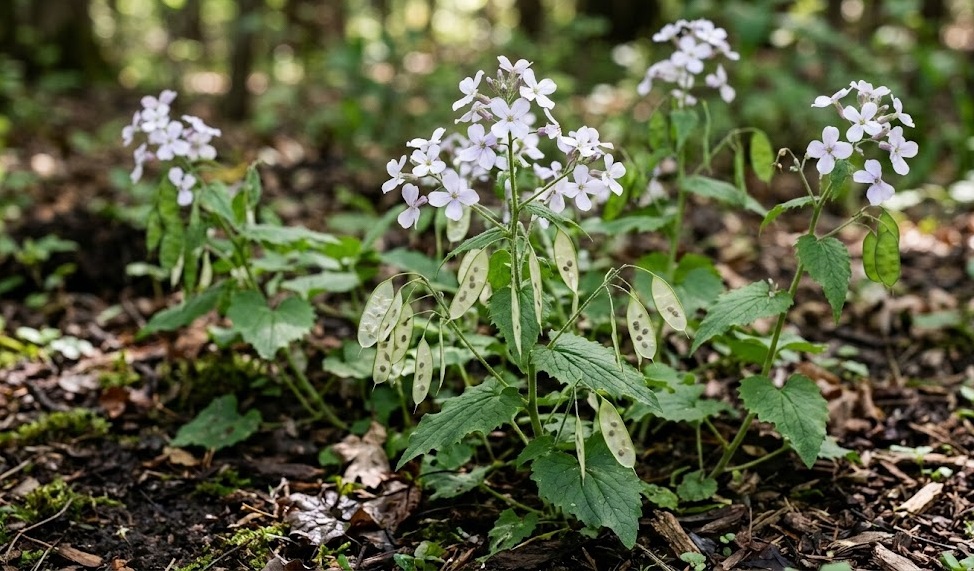

Protecting your garden from the various biological threats that can compromise plant health is a core skill for any professional horticulturalist. Perennial honesty, while generally robust, is susceptible to a specific range of pests and diseases that can mar its appearance or even threaten its survival. Understanding these challenges before they become major problems allows you to take proactive steps to maintain a pristine and healthy landscape. This guide provides the expert knowledge you need to identify, prevent, and manage the most common issues associated with this species.
Prevention is always the first and most important line of defense when it comes to plant health in a professional setting. You should ensure that your plants are growing in the ideal conditions, as a stressed plant is much more attractive to pests and more vulnerable to infection. Providing adequate spacing between specimens is crucial for maintaining good airflow, which significantly reduces the risk of fungal diseases. Keeping your gardening tools clean and disinfected will also prevent the accidental spread of pathogens from one part of the garden to another.
Early detection is the second pillar of effective integrated pest management. You should make it a habit to inspect your plants regularly, looking for any changes in leaf color, unusual spots, or physical damage to the stems. Many problems start small and are much easier to handle if you catch them in the initial stages of development. Using a hand lens can help you see tiny insects or fungal spores that might be invisible to the naked eye.
When you do encounter a problem, you should prioritize cultural and organic control methods before reaching for chemical solutions. Removing infected leaves or hand-picking large pests can often be enough to keep a small outbreak under control without disrupting the garden’s ecology. A professional approach involves understanding the life cycle of the pest or disease to find the most effective and least intrusive point of intervention. Maintaining a healthy balance of beneficial insects will also provide a natural layer of protection for your perennials.
Identifying and managing fungal diseases
Clubroot is one of the most serious issues that can affect plants in the brassica family, to which this species belongs. You might notice the plants wilting during the day and appearing stunted even when the soil is adequately moist. If you suspect this disease, you should examine the roots for the characteristic swollen, distorted “clubs” that give the condition its name. Improving soil drainage and raising the pH with garden lime can help suppress the fungus that causes this devastating problem.
More articles on this topic
White rust is another common fungal ailment that presents as white, chalky pustules on the underside of the leaves. You may also see yellow spots on the upper surface of the foliage, which can eventually lead to premature leaf drop. Removing and destroying any infected plant material is essential to prevent the spores from spreading to healthy neighbors. Avoiding overhead watering and ensuring good air circulation are the best ways to keep the humidity levels around the foliage within a safe range.
Downy mildew can occasionally appear during periods of cool, wet weather, showing up as a grayish-purple fuzzy growth on the leaves. This disease can spread rapidly if the conditions remain favorable, potentially causing significant aesthetic damage to your garden display. You should monitor the weather forecasts and take extra care with your irrigation practices during these high-risk periods. If the infection becomes severe, you may need to use an organic fungicide to protect the rest of your collection.
Fungal leaf spots are a broad category of issues that can manifest as various brown or black markings on the foliage. While these are often primarily a cosmetic concern, a heavy infection can reduce the plant’s ability to photosynthesize and weaken its overall vigor. You should focus on keeping the garden bed clean by removing fallen leaves and debris that can harbor fungal spores over the winter. A clean growing environment is one of the most effective tools for managing these persistent fungal challenges.
Common insect pests and their control
Aphids are perhaps the most frequent visitors to the lush new growth of perennial honesty in the springtime. These small, sap-sucking insects can cause the leaves to curl and distort, and they often excrete a sticky substance called honeydew. You can usually manage a minor infestation by simply blasting the pests off the plant with a strong stream of water from your garden hose. Encouraging natural predators like ladybugs and lacewings will also help keep the aphid population in check throughout the season.
More articles on this topic
Caterpillars from various butterfly and moth species may find the broad leaves of your plants to be an ideal food source. While we often welcome butterflies in the garden, their larvae can quickly defoliate a young or weakened plant if left unchecked. You can choose to hand-pick the caterpillars and move them to a less sensitive area or use a targeted organic treatment if the damage becomes excessive. Observing the different stages of insect life adds another layer of interest to the professional management of your garden.
Flea beetles are small, jumping insects that chew numerous tiny holes in the leaves, giving them a “shothole” appearance. This damage is usually most significant on young seedlings and can severely set back their early growth and development. You can use floating row covers to protect vulnerable young plants or apply a dusting of diatomaceous earth to the surrounding soil. As the plants mature and toughen up, they generally become much less attractive to these persistent little pests.
Slugs and snails are perennial challenges in any moist, woodland-style garden environment. They are particularly fond of the tender new shoots as they emerge from the ground in the early spring. You can use organic slug pellets or create physical barriers like copper tape or crushed eggshells to protect your most valuable specimens. Regularly clearing away potential hiding spots like large stones or piles of damp leaves will also make your garden less hospitable to these nocturnal feeders.
Strategies for long-term plant protection
Building a resilient garden involves more than just reacting to individual problems as they arise. You should focus on improving the overall health of your soil and the diversity of your plant palette to create a more stable ecosystem. Plants that are properly fed and watered are much better equipped to naturally resist many pests and diseases. A professional-grade garden is one that works with nature to find a sustainable and healthy balance.
Crop rotation is a concept that can be adapted for the ornamental garden to help manage soil-borne pathogens. You should avoid planting the same species or its close relatives in the exact same spot year after year if you have experienced disease issues. Moving your plants to a new location can break the life cycle of certain fungi and give the soil time to recover. This strategic approach to planting layout is a hallmark of sophisticated horticultural management.
Using resistant varieties, when they are available, is another smart professional strategy for reducing the risk of disease. While there are fewer named cultivars of perennial honesty than some other garden plants, you should always look for the most vigorous and healthy stock. Observing which individual plants in your own garden seem the most resilient can also help you select the best candidates for future propagation. Your own garden can be a valuable testing ground for identifying the toughest and most beautiful specimens.
Educating yourself about the specific pests and diseases common in your local area will help you stay one step ahead of the competition. You can often find valuable information from local gardening clubs or agricultural extension services about emerging threats or seasonal trends. Sharing your experiences with fellow professionals can also lead to new insights and more effective management strategies. A well-informed gardener is the best defense a plant can have against the many challenges of the natural world.
Maintaining a professional standard of health
The final step in managing pests and diseases is the proper disposal of any infected plant material you have removed. You should never put diseased leaves or stems in your home compost pile, as the heat may not be sufficient to kill all the pathogens. Instead, you should bag the material and dispose of it with your municipal green waste or burn it if local regulations allow. This careful attention to hygiene prevents the problem from coming back to haunt you in future seasons.
Restoring the health of a plant after a successful intervention is just as important as the treatment itself. You should provide a little extra water and perhaps a light organic feed to help the plant recover its strength and grow new foliage. Monitoring the recovery process will give you confidence that your management strategy was effective and that the plant is back on track. A professional takes pride in seeing a struggling plant return to its full, vibrant glory.
Keeping a detailed record of which issues occurred and when can be an incredibly useful tool for future planning. You may notice that certain problems always seem to appear during a specific week in May or after a period of heavy rain in July. This knowledge allows you to take preventative action next year before the symptoms even appear. Professional gardening is as much about foresight and record-keeping as it is about digging and planting.
In conclusion, while the threat of pests and diseases is a constant part of gardening, it does not have to be a source of frustration. By following professional principles of prevention, early detection, and targeted management, you can keep your perennial honesty in peak condition. Your dedication to plant health will ensure that the silvery seed pods and fragrant flowers remain the stars of your garden for many years to come. A healthy garden is a beautiful testament to the skill and care of its guardian.