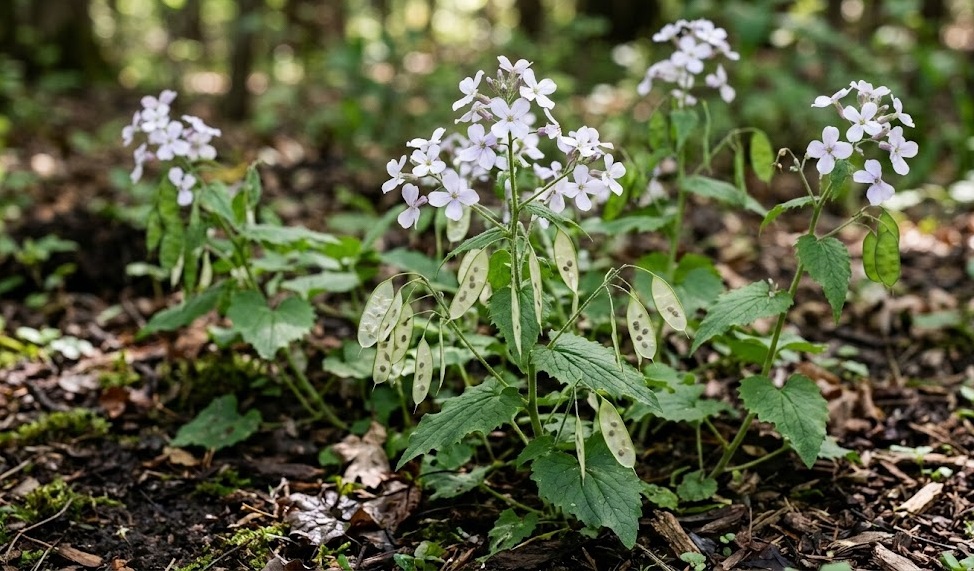

Cultivating a thriving garden often requires understanding the delicate balance between natural woodland environments and managed landscapes. Perennial honesty offers a unique aesthetic with its fragrant flowers and decorative seed pods that last long after the blooming season. Achieving success with this specific plant involves mimicking its native cool and moist habitat within your own garden boundaries. This guide explores the foundational principles of maintenance to ensure your specimens remain healthy and vibrant for years.
Creating the ideal microclimate is the first step toward a successful gardening experience with this species. These plants thrive in areas where the air remains relatively cool and the soil does not dry out completely during the summer months. You should look for spots in your garden that offer protection from the harsh afternoon sun while allowing for gentle airflow. Proper placement reduces the risk of heat stress and helps maintain the lush green foliage throughout the growing season.
The quality of the soil plays a pivotal role in the long-term health of your woodland perennials. You need to ensure the ground is rich in organic matter, such as leaf mold or well-rotted garden compost. A slightly alkaline to neutral pH is generally preferred, reflecting the limestone-rich soils often found in their native European forests. Improving the soil structure before planting will facilitate better root development and easier nutrient uptake for the maturing plants.
Maintaining consistent moisture levels is a primary responsibility for any dedicated gardener tending to this variety. Unlike many drought-tolerant garden plants, this species requires a steady supply of water to keep its delicate root system from desiccating. You should monitor the soil moisture regularly, especially during extended periods of dry weather or high temperatures. Mulching the base of the plants with organic materials can significantly help in retaining ground moisture and suppressing competing weeds.
Essential environmental conditions for growth
The surrounding vegetation can act as a natural shield, providing the necessary dappled shade that these plants crave. You might consider planting them under the canopy of deciduous trees or near taller shrubs that filter the sunlight. This arrangement not only provides the right light levels but also helps maintain a higher level of local humidity. Integrating these plants into a diverse garden bed encourages a more stable and resilient ecosystem for all your flora.
More articles on this topic
Soil aeration is another factor that professional horticulturists prioritize when managing woodland species. You should avoid compacting the soil around the base of the plants by minimizing foot traffic in the immediate area. Loosening the top layer of soil very gently can help oxygen reach the roots, although you must be careful not to damage the shallow root system. A well-aerated soil environment promotes beneficial microbial activity, which is essential for the natural decomposition of organic matter.
Temperature fluctuations can sometimes cause stress, particularly during the transitions between seasons. You should observe how your garden responds to early spring frosts or late autumn cold snaps to provide timely protection. While the plant is generally hardy, sudden changes can occasionally affect the development of new shoots or the longevity of the blooms. Providing a sheltered location away from strong, drying winds will go a long way in preserving the plant’s overall vigor.
Seasonal maintenance routines
As the spring season begins, you should focus on clearing away any debris that may have accumulated over the winter months. Removing dead leaves and old stalks helps prevent the development of fungal issues and allows fresh growth to emerge unimpeded. This is also an excellent time to apply a fresh layer of mulch to lock in moisture for the coming warmer weeks. Taking these early steps sets a strong foundation for a productive and healthy growing cycle.
During the height of summer, your main priority shifts to monitoring for signs of dehydration or nutrient deficiencies. You may notice the leaves drooping slightly if the soil becomes too dry, indicating an immediate need for deep irrigation. It is important to water at the base of the plant to keep the foliage dry, which reduces the likelihood of disease. Consistently checking the underside of leaves for any early signs of pests can also prevent larger infestations later on.
More articles on this topic
Autumn is the period when the iconic seed pods become the centerpiece of the garden display. You can choose to leave these pods on the plant to provide visual interest throughout the winter or harvest them for dried floral arrangements. If you decide to leave them, the seeds may naturally disperse, potentially leading to new seedlings in the surrounding area next year. This natural cycle allows the garden to evolve and renew itself with minimal intervention from the gardener.
Soil management and nutrition
Long-term soil health is maintained by regularly replenishing the nutrients that the plants extract during their growth. You should consider top-dressing the soil with a thin layer of organic compost every spring to provide a slow-release source of energy. This practice not only feeds the plants but also improves the overall texture and water-holding capacity of the ground. Avoiding heavy synthetic fertilizers is usually better for maintaining the delicate balance of a woodland-style garden.
The presence of earthworms and other beneficial soil organisms is a good indicator of a healthy growing environment. You can encourage these organisms by providing plenty of organic material and avoiding the use of harsh chemical pesticides. A living soil is much more effective at breaking down nutrients into forms that are easily accessible to the plant roots. Observing the vitality of the surrounding ground cover can give you valuable insights into the status of your soil health.
In areas with particularly heavy clay soil, you might need to incorporate grit or sharp sand to improve drainage. While these plants enjoy moisture, they do not tolerate sitting in waterlogged soil, which can quickly lead to root rot. Creating a slightly raised bed or planting on a gentle slope can also help manage excess water during heavy rainfall. Finding the right balance between moisture retention and drainage is one of the most important skills in gardening.
Managing growth and plant health
Vigorous growth is often a sign of a well-placed plant, but you should still monitor for overcrowding in the garden bed. If the plants become too dense, the lack of airflow can increase the humidity to levels that favor the growth of mildew. You might need to thin out some of the older specimens or transplant them to new locations to ensure everyone has enough space. Giving each plant room to breathe promotes a much cleaner and more professional appearance in the landscape.
Monitoring the color and texture of the leaves can provide early warnings about the health of your perennials. Yellowing leaves might suggest a nitrogen deficiency or perhaps an issue with overwatering that is affecting root function. Conversely, crisp or brown edges on the foliage often point toward low humidity or excessive sun exposure during the day. Learning to read these visual cues allows you to make precise adjustments to your care routine before problems escalate.
The stems of this species are generally sturdy, but they can occasionally benefit from some light support in very windy locations. You can use discreet bamboo stakes or allow neighboring sturdy plants to provide a natural framework for them to lean on. Ensuring the structural integrity of the plant prevents breakage during summer storms and keeps the display upright. A little bit of structural management goes a long way in maintaining the professional aesthetic of your garden.
Supporting the ecological cycle
Encouraging biodiversity in your garden can naturally help manage many common issues that gardeners face. By planting a variety of species, you attract predatory insects that keep pest populations in check without the need for chemicals. This plant is particularly attractive to certain pollinators, which adds another layer of life and movement to your outdoor space. Viewing your garden as a complete ecosystem rather than a collection of individual plants leads to better results.
Allowing some of the seeds to fall and germinate naturally can create a more authentic woodland feel in your landscape. You can always move these young seedlings to more desirable locations once they have established a few true leaves. This method of “self-sowing” is often the most successful way to expand your collection of these beautiful perennials. It also ensures that the plants are perfectly adapted to the specific conditions of your local environment.
The transition from flowering to seed production is a fascinating process that adds educational value to the garden. You can observe how the green pods gradually turn into the translucent, silvery “coins” that give the plant its common name. Sharing these seeds or dried stems with fellow enthusiasts is a great way to foster a sense of community among gardeners. This cycle of growth and sharing is at the heart of the horticultural experience for many professionals.
Long-term garden integration
Integrating these perennials into a larger landscape design requires a bit of forward thinking about their mature size and habit. They look best when planted in groups or drifts, which mimics the way they would naturally grow on a forest floor. You should consider how their silvery seed pods will look against the backdrop of darker evergreens in the late autumn. Planning for year-round interest ensures that your garden remains a professional and captivating space regardless of the season.
The longevity of your plants is directly related to the consistency of the care you provide over several years. While they are perennials, they may eventually lose some of their vigor and require rejuvenation through careful division or replacement. Keeping a gardening journal can help you track the performance of different patches and identify the best times for intervention. This professional approach to monitoring ensures that your garden standards never slip over time.
Finally, remember that gardening is a continuous learning process that involves adapting to the specific quirks of your site. What works in a damp, shady corner of one garden might need adjustment in a slightly brighter spot elsewhere. By paying close attention to the small details of plant health and soil condition, you will master the art of woodland gardening. Your dedication will be rewarded with a stunning display of flowers and the unique, ethereal beauty of the silver seed pods.