
Maintaining the tidy appearance and long-term health of your woodland plants involves a careful and minimalist approach to pruning. You must understand when to intervene and when to let nature take its course to ensure the plant can store enough energy for the following year. These species do not require extensive cutting, but a few strategic trims can prevent disease and encourage a more robust growth habit. Mastering these simple techniques will help you manage your garden like a professional horticulturist.
Post-flowering care and maintenance
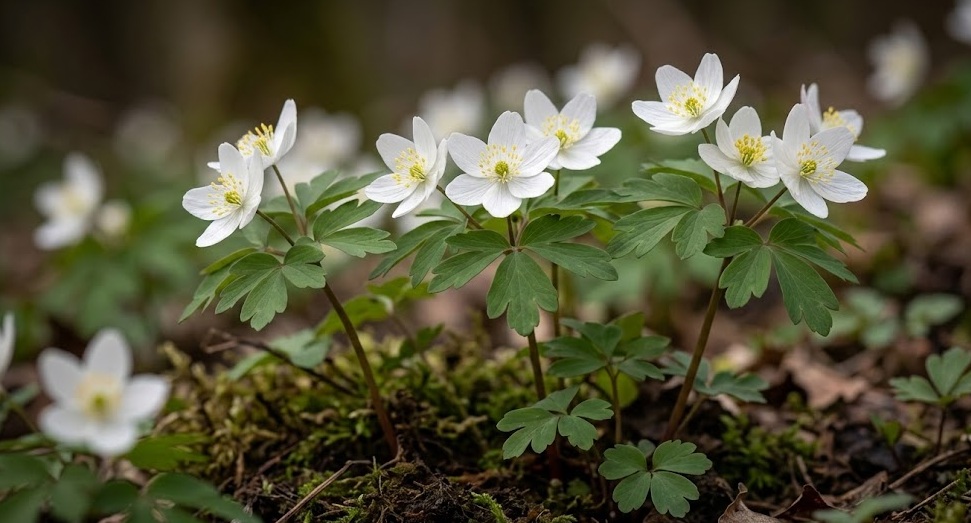
The most important rule for pruning these spring ephemerals is to avoid cutting back the foliage immediately after the flowers have faded. Even if the leaves start to look a bit tired, they are still actively producing energy through photosynthesis to feed the underground rhizomes. You should wait until the foliage has naturally turned yellow or brown before you consider removing any part of the plant. This patience is essential for ensuring that your colony returns with even more vigor in the next spring season.
Once the flowers have finished blooming, you can choose to remove the spent flower stems to improve the overall appearance of the garden bed. This practice, often called “deadheading,” prevents the plant from putting its energy into seed production if that is not your primary goal. Use a pair of sharp, clean scissors to snip the stems near the base without damaging the surrounding leaves. This minor task keeps the focus on the beautiful foliage as the season progresses toward the summer months.
If you notice any leaves that are damaged by pests or showing signs of disease, these should be removed promptly regardless of the season. Removing infected tissue helps prevent the spread of pathogens to the rest of the healthy colony and surrounding plants. Always dispose of this material in the trash rather than the compost pile to ensure the problems do not return. Targeted pruning for health is a professional habit that pays dividends in a clean and resilient garden.
As the plant begins its natural decline in the early summer, the leaves will gradually lose their green color and become brittle. This is the correct time to tidy up the area by gently clearing away the dead material with your hands or a soft rake. You want to avoid any heavy-handed digging that might disturb the dormant buds sitting just beneath the surface. A light touch during the cleanup phase ensures the safety of the plant’s future growth points.
More articles on this topic
Essential tools and hygiene
Using the right tools is just as important as the pruning technique itself when dealing with delicate and small-scale woodland species. For most tasks, a simple pair of floral snips or sharp embroidery scissors is more appropriate than heavy-duty garden bypass pruners. You want to make clean, precise cuts that heal quickly and do not crush the soft tissues of the stems. Investing in high-quality, small-scale tools will make your gardening work much easier and more enjoyable.
Keeping your tools sharp is a professional requirement that ensures the best results for your plants and less effort for you. A dull blade can tear the stems, creating jagged edges that are more susceptible to infection and rot. You should take a few minutes to hone your blades regularly with a sharpening stone or a fine-grit file. Sharp tools are safer to use and produce the professional finish that characterizes a well-managed garden collection.
Disinfecting your tools between plants is a critical step in preventing the accidental transmission of diseases throughout your garden. You can use a simple solution of isopropyl alcohol or a specialized garden disinfectant to wipe down your blades. This is especially important if you are working with a variety of different species or if you suspect any health issues in your beds. Maintaining a high standard of hygiene is the best way to protect your investment in your living plant collection.
Storage and maintenance of your tools after the gardening session is the final part of a professional routine. You should clean off any sap or soil and dry the tools thoroughly to prevent rust and corrosion from developing. A light coating of oil on the moving parts will keep them working smoothly for many years of service in your woodland garden. Proper care for your tools reflects your respect for the craft of gardening and the health of your plants.
More articles on this topic
Maintenance pruning for long-term health
While individual plants do not need much pruning, you may find that an entire colony needs some management as it matures and spreads. If the cluster becomes too dense, you can selectively thin out some of the stems to improve air circulation and light penetration. This proactive maintenance helps prevent the buildup of humidity that can lead to fungal issues during a damp spring. A well-spaced colony is always more resilient and produces a better display of flowers.
You can also use pruning as a way to manage the competition between your woodland flowers and other nearby garden plants. If a neighboring shrub or perennial is starting to overgrow your delicate species, a bit of strategic trimming can restore the balance. You want to ensure that each plant has its own “breathing room” and access to the resources it needs to thrive. Managing the space in your garden is an ongoing process that requires a thoughtful and observant eye.
Sometimes, a plant may produce a few stems that are growing in an awkward direction or interfering with a nearby pathway. You can carefully remove these errant stems at the base to maintain the desired shape and boundaries of your planting bed. This type of aesthetic pruning should be done sparingly to avoid taking away too much of the plant’s photosynthetic capacity. A minimalist approach is always best when working with species that have a limited growing season.
Finally, remember that the most successful “pruning” in a woodland garden often involves doing very little and letting the natural cycle play out. These plants have evolved to manage their own growth and dormancy without much human intervention. Your role as a gardener is to provide support and step in only when necessary to correct a problem or improve the overall environment. Respecting the natural habits of your plants is the sign of a truly expert and professional caretaker.