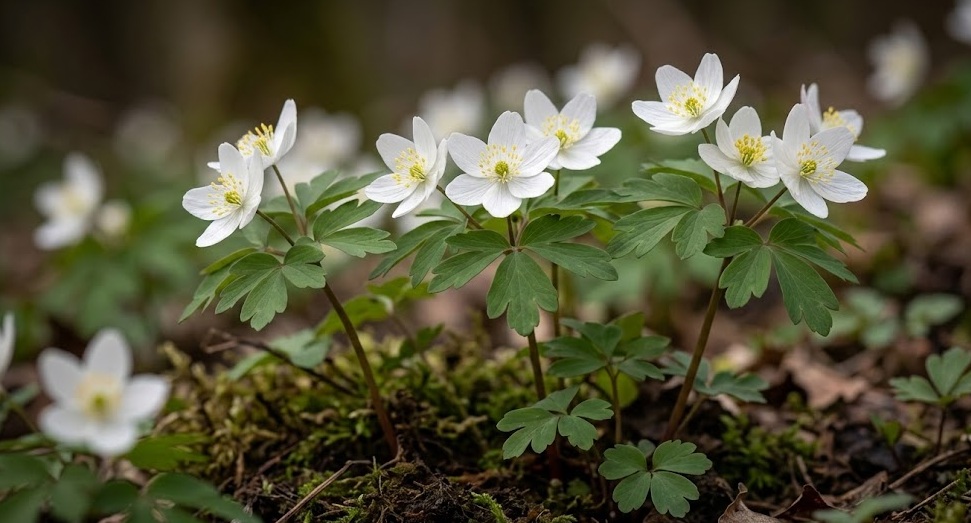

Establishing a thriving colony of these delicate spring flowers begins with the proper planting technique and a strategic approach to propagation. You must select a location that mirrors the forest floor, ensuring the roots have the perfect foundation to grow. The timing of your planting activities is crucial, as these plants follow a very specific seasonal rhythm that dictates their energy levels. Successful propagation allows you to expand your garden and share the beauty of these flowers with others.
Selecting the ideal planting site
The success of your new plants depends heavily on the quality of the location you choose within your garden. You should look for a spot that receives morning sun but remains shaded during the hottest parts of the afternoon. Deciduous trees provide the best canopy, as they allow light through in early spring but offer shade in summer. Avoid areas where water tends to pool after a heavy rain, as this can cause the rhizomes to rot.
Soil texture and drainage are the most important physical characteristics of your chosen planting site. You should aim for a loamy soil that is rich in organic matter and has a loose, crumbly feel to it. If your garden has heavy clay, you will need to amend the area with compost and leaf mold before you begin. A well-prepared site ensures that the young roots can establish themselves quickly and without unnecessary stress.
Consider the surrounding vegetation when deciding where to place your new woodland additions. You want to avoid planting them too close to aggressive groundcovers that might overgrow the delicate stems. Low-growing shrubs can provide an excellent backdrop and offer some protection from drying winds and heavy foot traffic. Thinking about the long-term growth of all nearby plants will help you create a harmonious and sustainable garden layout.
Accessibility is another factor to keep in mind, as you will want to enjoy the small flowers up close. Placing them along the edges of a woodland path or near a seating area ensures they are visible during their brief blooming period. You should also ensure that the site is easy to reach for occasional watering or mulching during the first year. A well-placed planting is not only healthier for the plant but also more rewarding for the gardener.
More articles on this topic
Propagation through division
Dividing established clumps is one of the most reliable ways to increase your stock of these beautiful woodland plants. You should ideally perform this task in the early autumn after the plant has finished its active growth for the year. Carefully lift the entire cluster from the ground using a garden fork to minimize damage to the roots. You will see small, tuber-like rhizomes that can be gently separated into smaller sections for replanting.
Each new division must have at least one healthy bud and a sufficient amount of roots to support new growth. You should work quickly to ensure that the delicate root systems do not dry out during the process. Replant the sections immediately into prepared soil at the same depth they were growing previously. Firm the soil gently around the roots and water them thoroughly to settle the earth and remove air pockets.
Managing the transition period after division is essential for the survival of the new individual plants. You should keep the soil consistently moist for several weeks until the roots have had a chance to anchor themselves. Applying a light layer of mulch will help protect the newly disturbed soil and keep the temperature stable. Most divisions will settle in quickly and produce flowers in the following spring season if handled with care.
Division is also a healthy practice for the original plant, as it prevents the center of the clump from becoming too crowded. You will notice that older colonies sometimes lose their vigor and produce fewer flowers over time. Breaking them up and moving them to fresh soil can rejuvenate the plants and stimulate more robust growth. It is a simple and effective way to maintain a youthful and productive garden display.
More articles on this topic
Growing from seeds
Starting these plants from seed requires a bit more patience and attention to detail than simple division. You should collect the seeds as soon as they are ripe, which usually happens shortly after the flowering period ends. Fresh seeds have a much higher germination rate than those that have been stored for a long period. Sowing them immediately into a cold frame or a protected outdoor seedbed mimics the natural dispersal process.
The seeds often require a period of cold stratification to break their dormancy and trigger germination in the spring. You can achieve this naturally by sowing them outdoors in the autumn and letting the winter temperatures do the work. If you prefer to start them indoors, you will need to mimic these conditions using a refrigerator for several months. Providing a consistent and natural environment is the key to successfully raising young seedlings.
Once the seedlings emerge in the spring, they will be very small and require careful protection from the elements. You should keep the seedbed moist and provide light shade to prevent the delicate leaves from drying out. Avoid using heavy fertilizers at this stage, as the young roots are sensitive to high salt concentrations in the soil. Patience is necessary, as it may take a few years for seed-grown plants to reach flowering size.
Transplanting the young seedlings to their permanent positions should be done once they have developed a strong root system. You should choose a cool, overcast day for this task to reduce the stress of the move on the small plants. Handle the root balls carefully to keep as much original soil attached as possible during the transition. With proper care, these home-grown plants will eventually form the backbone of your expanded woodland garden.
Establishing the plantation
The first year after planting is the most critical time for ensuring the long-term success of your garden project. You should monitor the new additions daily to check for signs of moisture stress or pest damage. Providing supplemental water during dry spells is the most important task you can perform for young plants. A consistent and supportive environment allows them to focus their energy on building strong underground structures.
Mulching the new plantation provides multiple benefits that support the establishment of the young root systems. You should use a natural material like shredded leaves or bark that will slowly add nutrients to the soil. The mulch layer prevents the soil from crusting over and keeps the moisture levels much more consistent throughout the day. It also suppresses competing weeds that might otherwise steal resources from your new woodland flowers.
Avoid disturbing the soil around the new plants once they have been set into their permanent positions. You want the roots to weave into the surrounding earth without being broken or exposed to the air. If you need to remove weeds, do so carefully by hand rather than using large garden tools. Keeping the area peaceful and stable promotes faster establishment and a more vigorous growth habit.
As the plants begin to settle in, you will see new growth that indicates a successful transition to their new home. You can gradually reduce the level of intensive care as the colony becomes more self-sufficient and resilient. By the second or third year, the plantation should be well-established and ready to thrive for many decades. Your initial hard work and planning will pay off in a beautiful and enduring garden feature.