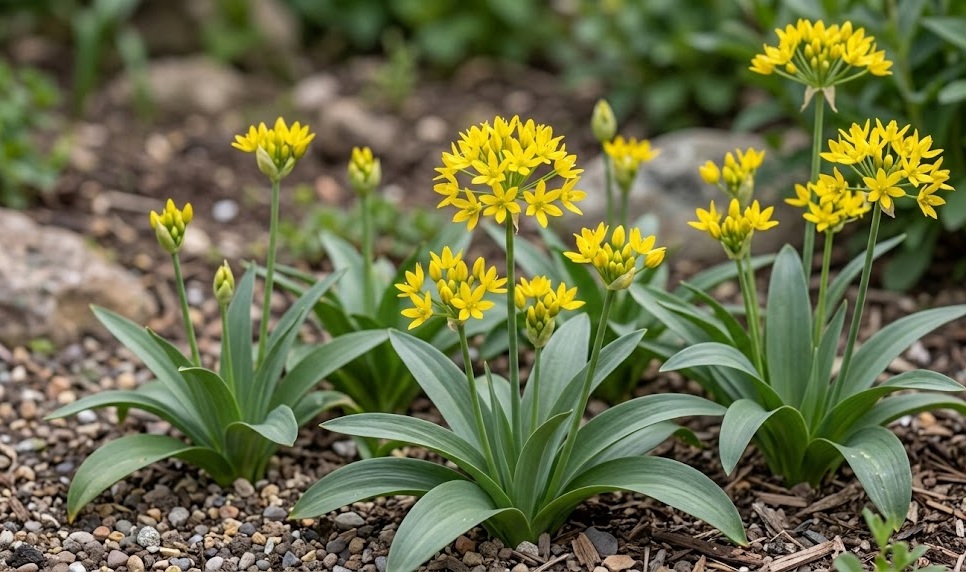

Caring for these bright bulbs requires a keen eye and a bit of patience throughout the growing seasons. You should start by understanding the natural habitat of this Mediterranean native to replicate it effectively in your garden. Providing the right soil structure is the most critical step for ensuring long-term health and vibrant flower production. Once established, these plants are remarkably resilient, yet they benefit greatly from consistent observation and occasional intervention.
Maintaining a healthy environment starts with checking the drainage of your chosen garden bed regularly. You will notice that waterlogged roots lead to significant health decline very quickly in the spring months. It is advisable to incorporate organic matter into the soil to improve its overall texture and moisture retention. Proper drainage ensures that the bulbs remain firm and ready for the next cycle of growth without rotting.
Observing the foliage throughout the early summer will give you clues about the overall vitality of your plants. If the leaves appear overly pale, it might be an indication that the soil nutrients are becoming depleted. You should address these visual cues promptly to prevent the plant from entering a premature state of dormancy. Keeping the surrounding area free of aggressive weeds will also reduce the competition for essential resources like nitrogen.
The final stage of seasonal care involves preparing the site for the quiet period that follows the blooming phase. You must allow the leaves to turn completely yellow and dry out naturally before removing them from the bed. This process allows the bulb to reabsorb vital energy that will be stored for the following year’s display. Rushing this step often results in weaker flowers or a total lack of blooms in the next season.
Foundation of bulb maintenance
Building a strong foundation for your bulbs begins with selecting a location that mimics their natural rocky hillsides. You should look for a spot that offers excellent drainage while still holding enough moisture to support active growth. The soil should be loose enough to allow the roots to expand without meeting excessive physical resistance. Incorporating a small amount of grit or sharp sand can significantly improve the internal structure of heavier clay soils.
More articles on this topic
You will find that these plants are quite forgiving once they have settled into their permanent positions in the garden. It is important to avoid disturbing the soil around the bulbs once the root system has become established. Constant digging or planting other heavy feeders nearby can stress the bulbs and reduce their flowering potential over time. Stability is a key factor in achieving a large and impressive colony of these yellow blossoms.
Monitoring the moisture levels during the peak growing season will help you maintain a lush and healthy appearance. While they do not need daily attention, providing a deep soak during dry spells will keep the foliage looking fresh. You should always water at the base of the plant to keep the leaves dry and healthy. This simple practice reduces the risk of fungal issues that often thrive in humid and crowded conditions.
Every few years, you might find it necessary to assess the density of your bulb clumps to ensure they have enough space. Overcrowding can lead to smaller flowers and a general decrease in the vigor of the entire patch of plants. You can easily remedy this by thinning out the area during the appropriate time of the year. Giving each bulb its own space to breathe and expand is vital for a professional-looking garden display.
Seasonal care routines
Springtime brings the most active period of growth and requires the most frequent checks on your part. You should clear away any mulch or debris that might be obstructing the delicate new shoots as they emerge. This is also the perfect time to apply a light layer of compost to provide a slow release of nutrients. Gentle handling during this stage will prevent damage to the young and succulent tissues of the rising stems.
More articles on this topic
As the summer heat intensifies, your focus should shift toward maintaining a cool root environment for the plants. Applying a thin layer of light-colored mulch can reflect excess heat and help the soil retain its precious moisture. You should continue to monitor for any signs of heat stress, such as wilting that does not recover in the evening. Providing a little extra shade during the hottest part of the day can sometimes extend the life of the blooms.
Autumn is the season for reflection and preparation as the plants begin to retreat back into the earth. You should mark the location of the bulbs so you do not accidentally dig them up during fall planting. This is also a good time to add a final layer of protection if you live in a particularly cold climate. Planning ahead during the autumn months ensures that your garden is ready for the challenges of the coming winter.
Winter care is mostly hands-off, but you should still keep an eye on the weather patterns in your area. If a sudden thaw is followed by a deep freeze, check for any bulbs that might have been pushed to the surface. Gently pushing them back into the soil and covering them with extra mulch will protect them from freezing. Nature will handle most of the work during this quiet time if you have provided a safe environment.
Managing the garden environment
The overall health of your garden bed plays a massive role in how well these specific bulbs will thrive. You should aim to create a balanced ecosystem where beneficial insects can help manage potential pest populations. Avoiding the use of harsh chemicals will keep the soil life active and supportive of healthy root development. A living soil is much more effective at processing nutrients and supporting the long-term growth of ornamental plants.
You should also consider the wind patterns in your garden when choosing a spot for these slender-stemmed flowers. While they are relatively sturdy, a very exposed location might cause the stems to lean or break during spring storms. Planting them near low-growing shrubs or sturdy perennials can provide a natural windbreak that protects the delicate blossoms. This structural support ensures that your yellow carpet of flowers remains upright and beautiful for weeks.
Air circulation is another environmental factor that you must manage carefully to prevent disease from taking hold. You should avoid planting these bulbs too closely to walls or in deep hollows where air becomes stagnant. Good airflow helps the foliage dry quickly after rain or morning dew, which is essential for preventing rot. Professional gardeners always leave enough space between different plant groups to allow the breeze to move freely.
Maintaining a consistent soil pH is also important for the optimal uptake of minerals and essential trace elements. You can test your soil every few years to ensure it remains within the slightly acidic to neutral range. If the soil becomes too alkaline, you might see yellowing of the leaves that is not related to the natural dormancy. Simple amendments can keep the chemical balance of your garden in the perfect zone for these bulbs.
Aesthetic preservation techniques
Keeping your garden looking professional requires a dedicated approach to the visual maintenance of your flowering plants. You should remove the individual flower heads as soon as they begin to fade and lose their bright color. This practice, known as deadheading, prevents the plant from wasting energy on seed production during the summer. By redirecting this energy back to the bulb, you ensure a much stronger performance during the following year.
The foliage of these plants can sometimes become a bit untidy after the main flowering period has passed. You should resist the urge to cut the green leaves back just to make the garden look cleaner. Instead, you can try to tuck the maturing leaves under the foliage of neighboring plants to hide them. This clever trick keeps your borders looking neat while still allowing the bulbs to complete their natural life cycle.
You might also consider planting companion species that will grow over the space left by the retreating bulbs. Hostas or late-emerging perennials are excellent choices for filling these gaps in your garden design. This ensures that you do not have large empty patches of soil once the yellow flowers have finished their show. A continuous layer of green foliage makes the entire garden feel more cohesive and well-maintained throughout the year.
Labeling your bulb drifts is a practical aesthetic choice that helps you remember where everything is located. You can use discreet markers that blend into the soil or the base of nearby permanent plants. This prevents you from accidentally overplanting the area or damaging the bulbs with a garden fork in the late summer. Knowing exactly where your treasures are buried allows you to garden with much more confidence and precision.
Soil quality management
The quality of the soil is the most significant factor in the long-term success of any bulb-based planting scheme. You should focus on creating a friable texture that allows for easy root penetration and oxygen exchange. Adding well-rotted leaf mold or garden compost is the best way to improve the biological activity of your soil. Healthy soil contains a vast network of fungi and bacteria that work in harmony with the plant roots.
You should avoid using heavy machinery or walking frequently over the areas where your bulbs are planted. Soil compaction is a silent killer that prevents air and water from reaching the deeper layers of the earth. If the soil feels hard and packed down, you might need to gently loosen the top layer with a hand tool. Maintaining a loose and airy soil structure is essential for the health of the subterranean parts of the plant.
Regularly testing the nutrient levels will help you understand what your garden specifically needs to flourish. You should look for a balance of nitrogen, phosphorus, and potassium that supports both leaf growth and flower development. Over-fertilizing can be just as damaging as under-fertilizing, as it can lead to weak and floppy growth. A professional approach involves targeted feeding based on the actual requirements of the soil and the plants.
You might also consider the use of organic mulches to slowly build soil quality over several years. Materials like shredded bark or wood chips will eventually break down and add valuable carbon to the soil. As these materials decompose, they provide a steady supply of food for the beneficial organisms living in the garden. This long-term strategy creates a self-sustaining environment where your plants can truly thrive without constant intervention.
Tool selection and usage
Using the right tools for your gardening tasks will make the work more enjoyable and prevent damage to your plants. You should invest in a high-quality pair of bypass pruners for cutting back spent stems and cleaning up foliage. Sharp blades ensure clean cuts that heal quickly and do not provide entry points for pathogens. Keeping your tools clean and well-oiled is a hallmark of a professional gardener who respects their equipment.
For planting and thinning bulbs, a sturdy hand trowel or a dedicated bulb planter is an essential part of your kit. You should choose a tool with a comfortable grip that allows you to work for extended periods without strain. A marked trowel is particularly useful for ensuring that you are planting each bulb at the correct and consistent depth. Precision in planting leads to a more uniform and impressive display when the flowers finally arrive.
You will also find that a small hand fork is invaluable for gently loosening the soil around established clumps. This tool allows you to aerate the ground without causing the extensive damage that a large spade might inflict. You should work slowly and carefully around the root zones to avoid snapping the delicate stems of the bulbs. Respecting the physical integrity of the plant is vital for its continued health and vigor.
Finally, having a dedicated set of containers for collecting garden waste will help you keep the area tidy as you work. You should immediately remove any diseased or moldy foliage from the garden site to prevent the spread of spores. Keeping a clean workspace reduces the risk of cross-contamination between different areas of your landscape. Professional habits in the garden lead to healthier plants and a more organized outdoor living space.
Preventing common issues
Most problems in the garden can be avoided through careful observation and proactive management of the environment. You should walk through your garden daily to check for any early signs of stress or unusual markings on the leaves. Catching a small issue before it becomes a major problem is the key to maintaining a flawless display. Early intervention often requires much less effort than trying to fix a widespread infestation or disease.
You should be particularly careful about the amount of water the bulbs receive during their summer dormancy. Providing too much moisture when the plant is not actively growing is the most common cause of bulb rot. You should ensure that irrigation systems are not spraying directly onto the dormant bulb beds during the hot months. Keeping the soil relatively dry during this phase mimics the natural summer drought of their native regions.
Proper spacing between plants is your best defense against many types of fungal and bacterial infections. You should resist the temptation to pack the bulbs too tightly for an immediate effect in the first year. Over time, the bulbs will naturally multiply and fill the space, creating a dense and healthy colony on their own. Patience in the beginning will lead to a much more sustainable and disease-resistant garden in the future.
You should also be mindful of the potential for physical damage from garden traffic or pets. Placing small decorative rocks or low fencing around your bulb beds can act as a visual reminder to stay clear. Protecting the emerging shoots in the spring is especially important, as they are very fragile at this stage. A little bit of physical protection goes a long way in ensuring that your hard work results in a beautiful floral display.