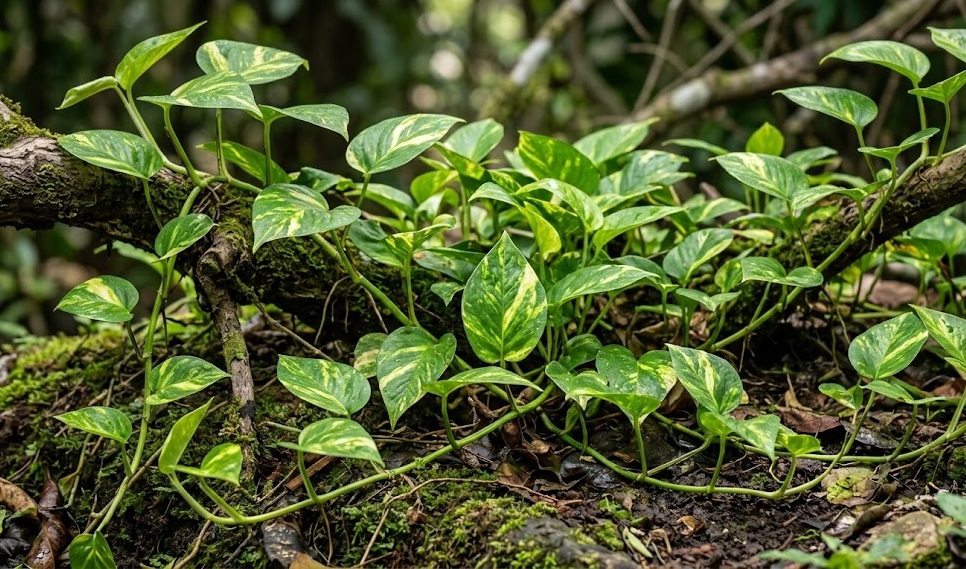

As the natural light fades and the temperatures drop during the autumn months, your golden pothos begins to enter a physiological state of relative dormancy. You will notice that the rapid growth of summer slows down as the plant attempts to conserve its energy for the coming spring. This transition is a critical period where you must adjust your care routine to match the lower metabolic needs of the vine. Properly overwintering your plant ensures that it survives the challenges of the cold season and emerges vibrant and ready for a new year of growth.
The most immediate change you should implement is a significant reduction in the frequency of your watering schedule. Because the air is cooler and there is less sunlight, the plant processes water much more slowly than it does during the peak of summer. You should wait until the soil is dry deeper than usual, perhaps two or three inches down, before adding any moisture to the pot. Overwatering during the winter is the leading cause of root rot, as the cold, damp soil provides an ideal environment for harmful fungi to flourish.
Humidity management becomes a major challenge in many homes once the central heating systems are activated for the season. The warm, dry air from furnaces can quickly strip moisture from the leaves, leading to brown, crispy edges and a dull appearance. You might find it beneficial to group your plants together to create a small pocket of higher humidity through their combined transpiration. Using a humidifier or a pebble tray is also highly recommended to keep the moisture levels around sixty percent, which is ideal for this tropical species.
Feeding your plant during the winter months is generally unnecessary and can actually lead to a toxic buildup of salts in the soil. Since the plant is not actively producing many new leaves, it does not require the additional nutrients provided by fertilizers. You should suspend your fertilization program from late October until the first signs of new growth appear in the early spring. This allows the plant its natural rest period and prevents the risk of chemical burns to the roots while they are in their less active state.
Light and temperature adjustments for winter
Providing enough light is often the biggest hurdle during the winter, especially in northern latitudes where the days are short and often overcast. You might consider moving your golden pothos closer to a south-facing window where it can capture as much of the available ambient light as possible. If your home is naturally dark, supplemental grow lights can be a fantastic investment to keep the plant’s variegation from fading into a solid green. These lights can be set on a timer to provide a consistent twelve-hour day, mimicking the tropical environment where the plant originated.
More articles on this topic
Temperature stability is equally important, as this species is sensitive to the sudden cold drafts that can come from poorly sealed windows or doors. You should move your plant away from any area where it might experience a direct blast of freezing air when someone enters the house. Conversely, keep the pot away from direct heat sources like radiators or space heaters, which can scorch the foliage and dry out the root ball too rapidly. Aiming for a consistent indoor temperature between sixty and seventy degrees Fahrenheit will keep the plant comfortable and stress-free.
If you have your pothos in a hanging basket, be aware that the air near the ceiling is often much warmer and drier than at floor level. This can lead to the upper parts of the plant drying out faster than the lower vines, creating an uneven growth habit over time. You might find it helpful to take the plant down occasionally to check the moisture levels more accurately and give the foliage a gentle misting. Monitoring these microclimates within your home allows you to make the small adjustments that lead to a successful overwintering experience.
The leaves may also become more dusty during the winter as the heating system circulates particles throughout the house. Because the plant’s energy is already low, a layer of dust can be even more detrimental to its ability to capture light and breathe. Make it a point to wipe the leaves with a damp cloth at least once a month during the cold season to keep them functional and attractive. This simple maintenance task also gives you a chance to inspect for any hidden pests that might be taking advantage of the plant’s reduced vigor.
Monitoring for winter pests and health issues
Indoor pests such as spider mites and fungus gnats can actually become more active during the winter due to the warm, dry conditions inside our homes. Spider mites in particular love the low-humidity environment created by central heating and can quickly establish a colony on the underside of the leaves. You should be on the lookout for fine webbing or a speckled appearance on the foliage, which are early warning signs of an infestation. Treating these issues early with neem oil or insecticidal soap will prevent them from becoming a major problem by the time spring arrives.
More articles on this topic
Fungus gnats are often a sign that you are still watering too much for the winter season, as their larvae thrive in the top layer of damp soil. If you see small black flies hovering around your plant, it is a clear signal to let the soil dry out even further before the next watering session. You can also use sticky traps or a thin layer of sand on the soil surface to break their life cycle and keep their numbers under control. Managing these pests is a key part of maintaining a professional-grade indoor garden throughout the entire year.
Leaf drop is a common occurrence during the transition to winter and is often just the plant’s way of shedding older, less efficient foliage to save energy. You should not panic if you see a few yellow leaves near the base of the plant, provided the rest of the vine remains firm and healthy. However, if the yellowing is widespread or the stems feel soft, it is time to re-evaluate your watering and light conditions immediately. Keeping a close eye on these physical changes will allow you to intervene long before any permanent damage occurs to your specimen.
Winter is also a great time to evaluate the overall structure of your plant and plan for any major pruning or repotting you want to do in the spring. While you should avoid heavy maintenance during the dormant phase, you can certainly take notes on which vines are becoming too leggy or where the plant could benefit from more density. This period of reflection allows you to become a more proactive and knowledgeable gardener. By the time the first warm days of spring arrive, you will have a clear plan for bringing your golden pothos back to its full, lush potential.
Preparing for the spring awakening
As the days begin to lengthen in late February and early March, you will start to see the first signs of renewed activity in your golden pothos. Tiny green nubs may appear at the leaf nodes, and the color of the foliage may seem to brighten as the plant senses the increase in light. This is your signal to gradually begin increasing the frequency of your watering to support the new growth that is about to emerge. You should still be cautious, however, as the temperatures outside may still be cold, and the soil will not dry out as fast as it will in mid-summer.
Once you are certain that the plant has fully woken up, you can reintroduce a balanced fertilization program to provide the nutrients needed for the spring surge. Start with a diluted dose to avoid shocking the root system and slowly work your way up to full strength over several weeks. This is also the ideal time to perform any pruning you planned during the winter, as the plant will have plenty of energy to heal and branch out from the cuts. Pruning in the early spring encourages a bushier habit and removes any foliage that may have been damaged by the dry winter air.
If the plant has outgrown its current container, the early spring is the best window for repotting it into a slightly larger home. The active growth phase ensures that the roots will quickly colonize the new soil and establish a strong foundation for the year ahead. Be sure to use a high-quality, well-draining potting mix to maintain the aeration that the roots have become accustomed to. A fresh start in a new pot, combined with the increasing light, will result in a spectacular display of greenery throughout the growing season.
The journey of overwintering a golden pothos is a rewarding cycle that teaches you the importance of patience and environmental awareness. By respecting the plant’s need for rest and adjusting your care to meet the challenges of the cold season, you ensure its long-term health and beauty. You will find that the bond between you and your greenery grows stronger each year as you navigate the changing seasons together. Enjoy the quiet beauty of your plant during the winter months, knowing that a vibrant explosion of growth is just around the corner.