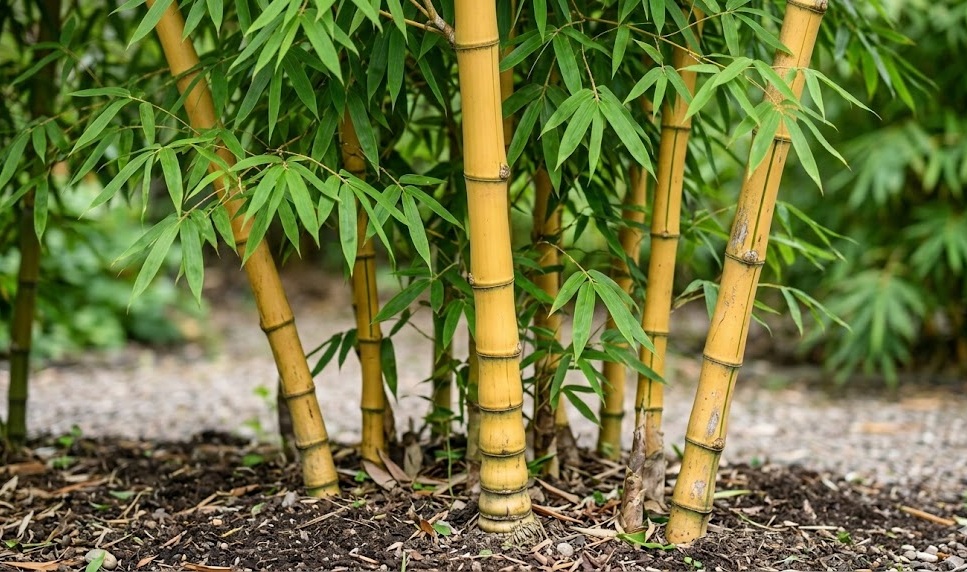

Maintaining the proper balance of moisture and nutrients is the cornerstone of growing a magnificent and healthy golden bamboo specimen. While these plants are known for their rapid growth and resilience, they have specific physiological requirements that must be met to achieve their full potential. Water serves as the primary vehicle for nutrient transport within the plant, while fertilizer provides the raw materials for new culm and leaf production. Understanding the interaction between these two factors will allow you to cultivate a bamboo grove that remains vibrant and lush throughout the year.
Hydration requirements and techniques
Golden bamboo is a thirsty plant, especially during its peak growing season in the late spring and early summer months. To support the rapid expansion of new shoots, the soil should remain consistently moist but never allowed to become a muddy, anaerobic environment. You should aim for deep watering sessions that penetrate the entire root zone rather than frequent, shallow sprinkles that only wet the surface. This encourages the roots to grow deeper into the ground, making the plant more resilient to temporary dry spells and environmental fluctuations.
The best time of day to water your bamboo is in the early morning before the sun reaches its full intensity and temperatures begin to rise. Watering at this time allows the moisture to soak into the soil and be absorbed by the roots before it can evaporate into the air. If morning watering isn’t possible, late evening is an acceptable alternative, provided you avoid wetting the foliage excessively to prevent fungal growth. Using a soaker hose or a drip irrigation system is often the most efficient way to deliver water directly to the base of the plant.
You should pay close attention to the visual cues the bamboo provides when its hydration levels are not ideal for its current needs. One of the most common signs of water stress is the inward curling of the leaves, which the plant does to reduce the surface area exposed to the sun. If you notice this happening, it is a clear signal that the plant needs immediate irrigation to prevent tissue damage and growth stalls. On the other hand, yellowing leaves that feel soft or mushy can sometimes indicate overwatering and a lack of oxygen in the root zone.
Seasonal changes significantly impact the amount of water your golden bamboo will require to stay healthy and productive. During the hot, dry months of summer, you may need to water every day or every other day depending on your local climate and soil type. In contrast, during the cooler months of autumn and winter, the plant’s metabolic rate slows down and its water needs decrease substantially. You should always check the moisture level of the soil a few centimeters below the surface before deciding to turn on the hose.
More articles on this topic
Essential nutrients for growth
To produce its characteristic thick culms and dense green foliage, golden bamboo requires a steady supply of essential macro and micronutrients. Nitrogen is by far the most important nutrient for bamboo, as it is the primary driver of vegetative growth and leaf development. Without adequate nitrogen, the plant will appear stunted, and the leaves may turn a pale, sickly green color instead of their natural vibrant hue. However, a balanced approach is necessary to ensure the overall structural integrity of the plant remains strong and resistant to damage.
Phosphorus and potassium also play vital roles in the health of the bamboo, supporting root development and overall cellular strength. Phosphorus helps the plant establish a robust rhizome system, which is essential for the long-term stability and spread of the grove. Potassium acts as a regulator for many internal processes, including water uptake and the plant’s ability to withstand cold temperatures and diseases. A fertilizer with a balanced ratio, or one slightly higher in nitrogen, is usually the best choice for established golden bamboo plants.
Silica is a often-overlooked nutrient that is particularly important for bamboo species to maintain the hardness and flexibility of their culms. In nature, bamboo recycles silica by breaking down its own fallen leaves, which are rich in this mineral, back into the soil. For this reason, it is highly beneficial to leave the fallen bamboo leaves on the ground around the base of the plant to act as a natural mulch. If you prefer a tidier look, you can supplement the soil with silica-rich additives to ensure the culms remain strong and upright.
Micronutrients such as iron, magnesium, and sulfur are needed in smaller quantities but are nonetheless essential for preventing specific deficiencies. For example, iron deficiency often manifests as interveinal chlorosis, where the leaves turn yellow while the veins remain green. Using a high-quality organic compost or a complete fertilizer that includes these trace elements will generally keep your bamboo in peak condition. Regular soil testing can help you determine if any specific minerals are lacking and allow you to tailor your fertilization strategy accordingly.
More articles on this topic
Fertilization schedules and methods
The timing of fertilizer application is just as important as the type of nutrients you choose to provide for your garden plants. For golden bamboo, the primary fertilization window begins in early spring, just as the soil temperature starts to rise and growth resumes. This initial application provides the energy boost needed for the production of new shoots, which is the most demanding phase of the plant’s year. You can follow up with a second, lighter application in the early summer to sustain the growth of the new culms as they harden off.
When applying granular fertilizer, it is best to spread it evenly over the entire root zone, extending slightly beyond the current canopy of the bamboo. You should avoid piling fertilizer directly against the culms, as the high concentration of salts can cause chemical burns to the sensitive tissues. After spreading the granules, always water the area thoroughly to help dissolve the nutrients and carry them down to the root system. This ensures that the plant can begin utilizing the fertilizer immediately and minimizes the risk of runoff or waste.
Liquid fertilizers are another excellent option, particularly for bamboo grown in containers or for providing a quick nutrient boost to stressed plants. These can be applied during your regular watering routine and are absorbed more rapidly by both the roots and, in some cases, the foliage. However, liquid fertilizers tend to leach out of the soil more quickly than granular versions, so they may need to be applied more frequently in smaller doses. Many professional gardeners use a combination of slow-release granules and occasional liquid feeds for optimal results.
Organic fertilization methods, such as top-dressing with compost or well-rotted manure, offer long-term benefits for the soil structure and microbial life. These materials break down slowly over time, providing a consistent and gentle supply of nutrients while improving the soil’s ability to hold water. Using organic matter also helps prevent the buildup of harmful salts that can sometimes occur with long-term use of synthetic fertilizers. A healthy, living soil is the best foundation for a sustainable bamboo grove that will thrive for many decades to come.
Managing nutrient deficiencies
Recognizing the signs of nutrient deficiencies early is key to taking corrective action before the health of the bamboo is seriously compromised. As mentioned previously, nitrogen deficiency is usually the most obvious, causing a general yellowing of the older leaves and a lack of vigor. If you notice this, an application of a high-nitrogen fertilizer or a layer of fresh compost will usually produce a noticeable improvement within a few weeks. It is important to act quickly to ensure the plant has enough energy to maintain its existing foliage and produce new growth.
Magnesium deficiency can sometimes be seen in bamboo, appearing as yellowing at the edges of the leaves while the center remains green. This is often more prevalent in sandy soils where minerals are easily leached away by heavy rain or frequent irrigation. Adding Epsom salts (magnesium sulfate) to your watering routine can be a simple and effective way to address this specific issue and restore the health of the leaves. Always follow the recommended dosages, as over-application of any single nutrient can sometimes lock out others.
In some cases, the soil might contain plenty of nutrients, but the plant is unable to access them due to an improper soil pH level. If the soil is too alkaline, many essential minerals like iron and manganese become chemically bound to the soil particles and unavailable to the roots. You can lower the pH by adding elemental sulfur or using acidifying fertilizers specifically designed for plants that prefer neutral to slightly acidic conditions. Correcting the pH often solves multiple nutrient problems simultaneously by unlocking the existing resources in the ground.
Environmental factors can also mimic the signs of nutrient deficiency, so it is important to look at the whole picture before reaching for the fertilizer. For example, cold winds or sudden drops in temperature can cause leaf discoloration that looks similar to a mineral lack. Similarly, root damage from pests or physical compaction can prevent the plant from taking up water and nutrients properly even if the soil is rich. Always rule out these external stressors first to ensure that your fertilization efforts are truly addressing the root cause of the problem.
Sustainable practices for long-term health
For a truly sustainable approach to bamboo care, you should aim to create a self-sustaining nutrient cycle within your own garden or landscape. As mentioned, allowing the bamboo’s own leaf litter to accumulate and decompose is the most natural way to return nutrients to the soil. This “bamboo mulch” is perfectly balanced for the plant’s needs and provides a home for beneficial insects and fungi that support plant health. Over time, this builds a rich, dark humus layer that significantly reduces the need for supplemental fertilizers.
Using slow-release organic fertilizers is another way to promote long-term stability and prevent the “boom and bust” growth cycles associated with synthetic products. These fertilizers release nutrients at a pace that matches the plant’s natural growth rate, leading to stronger, more resilient tissues. This approach also protects local waterways by reducing the amount of nitrogen and phosphorus that might leach away during heavy rains. A patient, nature-inspired approach to feeding your bamboo will result in a more balanced and beautiful plant.
Water conservation should also be a priority in your management plan, especially in regions where water resources are limited or expensive. Installing a mulch layer not only provides nutrients but also dramatically reduces evaporation from the soil surface, allowing you to water less frequently. Grouping your bamboo with other plants that have similar water needs can also make your irrigation system more efficient and easier to manage. Monitoring local weather patterns allows you to skip watering sessions when rain has already provided sufficient moisture for the plants.
Finally, remember that a healthy bamboo plant is one that is in balance with its environment and is not pushed to grow beyond its natural limits. While it can be tempting to use excessive fertilizer to achieve rapid growth, this can lead to weak culms that are more prone to snapping or pest infestations. By providing consistent, moderate care, you ensure that your golden bamboo develops into a sturdy and majestic feature of your garden. Your goal should be a plant that is not only large and impressive but also fundamentally healthy and long-lived.