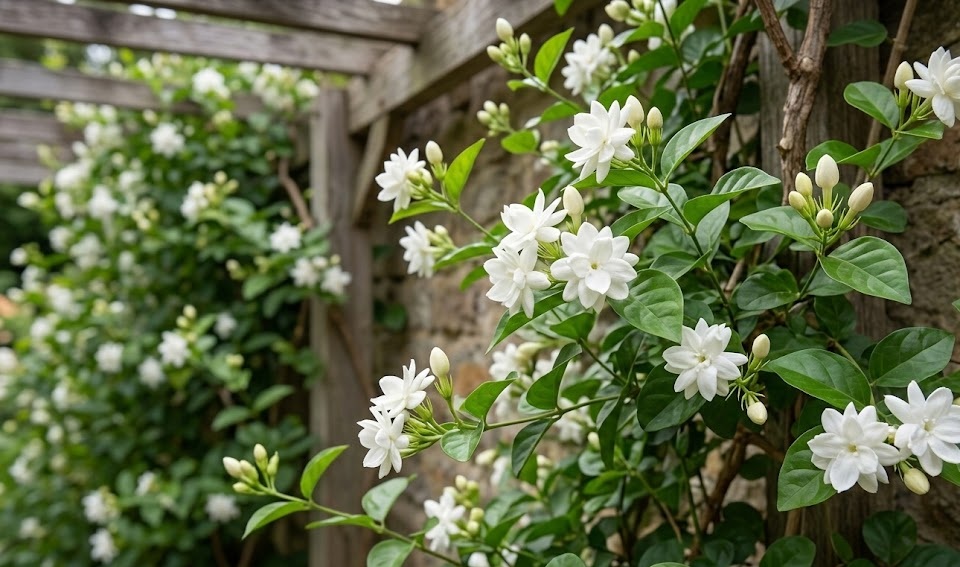

Pruning is a vital part of caring for Arabian jasmine because it helps maintain the shape of the plant and encourages more flowers. You must not be afraid to use your shears, as this plant responds very well to regular trimming and shaping. Without pruning, the jasmine can become leggy and unruly, with fewer flowers produced on the long, thin stems. By understanding the correct techniques, you can keep your plant looking professional and healthy for many years.
The best time to prune
The ideal time to perform major pruning on your Arabian jasmine is in the late winter or very early spring. You should wait until the plant is just about to start its new growth cycle for the coming season. This timing allows the jasmine to recover quickly and use its energy to produce fresh, flowering branches. Pruning at this time also removes any winter damage that may have occurred during the colder months.
You can also do light maintenance pruning throughout the summer to keep the plant in its desired shape. This involves pinching off the tips of the stems or removing any branches that are growing in the wrong direction. Frequent light pruning is one of the best ways to encourage the plant to become bushier and more compact. Every time you cut a stem, the plant will usually produce two or more new branches from the nodes below.
You should avoid doing any heavy pruning in the late autumn, as this could stimulate new growth that won’t have time to mature. These soft, new stems are much more likely to be damaged by the cold when the winter temperatures arrive. It is better to let the plant rest during the darker months and save the major work for the spring. Timing your pruning with the plant’s natural rhythm is the most effective way to ensure its long-term health.
Essential tools and safety
Having the right tools will make the pruning process much easier for both you and your Arabian jasmine. You should use a sharp pair of bypass pruners for most of the work on the green and semi-hardwood stems. Dull blades can crush the stems instead of cutting them, which creates an opening for diseases and pests to enter. Always clean your tools with rubbing alcohol before and after use to prevent the spread of pathogens between plants.
More articles on this topic
For very thick or woody stems on older plants, you might need a small pruning saw or a pair of heavy-duty loppers. You should always make your cuts at a forty-five-degree angle just above a healthy leaf node or bud. This angle helps water run off the cut surface, reducing the risk of rot or fungal infection at the site. Professional gardeners take pride in making clean, precise cuts that heal quickly and look neat.
You should also wear a pair of light gardening gloves to protect your hands from any scratches or skin irritation. While Arabian jasmine is not known for being toxic, some people can be sensitive to the sap of certain plants. Keeping your workspace tidy by removing the cut branches immediately will help you see the shape of the plant more clearly. A clear view of the structure allows you to make better decisions about which parts to remove next.
Shaping and rejuvenating growth
If your jasmine has become very old and leggy, you might want to perform a rejuvenation pruning. This involves cutting back the entire plant to about fifteen to twenty centimeters above the soil level. While this may seem drastic, it often results in a flush of very strong and healthy new growth from the base. You should only do this on established, healthy plants that have a strong root system to support the recovery.
To maintain a climbing habit, you should prune the side branches and leave the main stems to grow toward the support. This directs the plant’s energy upward and helps it cover a trellis or a wall more quickly and effectively. You can tie the main stems loosely to the support to guide them as they reach for the light. Regular thinning of the inner branches will also improve air circulation and light penetration throughout the foliage.
More articles on this topic
Deadheading, or the removal of spent flowers, is a form of pruning that you should do almost every day during the blooming season. This prevents the plant from spending energy on producing seeds and encourages it to make more flower buds instead. Simply pinch off the faded blossoms with your fingers or a small pair of scissors just below the flower base. This simple task keeps the plant looking fresh and ensures a continuous supply of that wonderful jasmine fragrance.