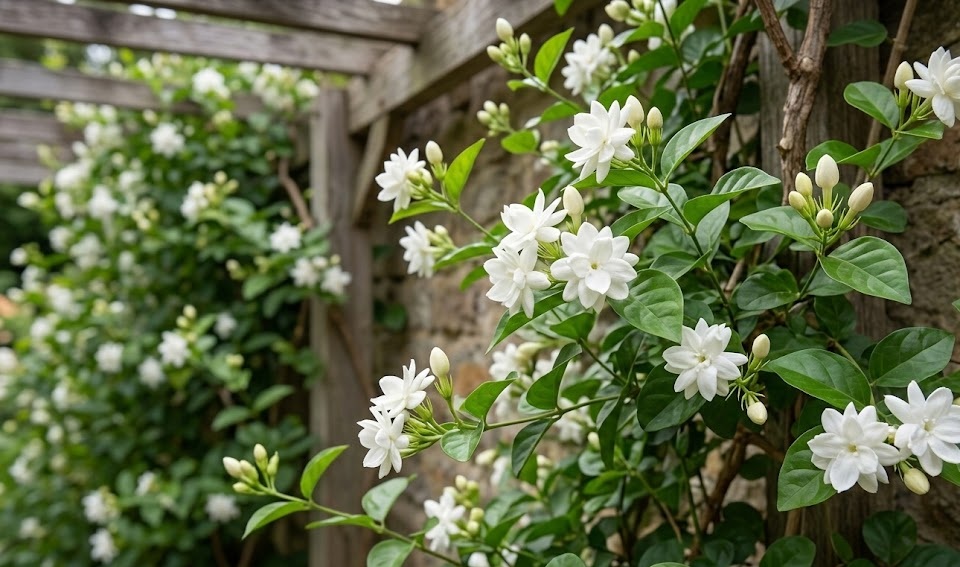

The process of planting Arabian jasmine begins with understanding its specific requirements for soil and root development. You must ensure that the environment is warm enough to support new growth from the very beginning. Many gardeners prefer to start their plants in containers where the conditions are easier to control. By following a few professional steps, you can establish a healthy plant that will last for years.
Selecting the right medium
A high-quality potting mix is essential for the successful establishment of your new jasmine plant. You should look for a blend that incorporates organic compost, perlite, and perhaps some coco coir. This combination ensures that moisture is retained while allowing excess water to drain away quickly. Without proper drainage, the young roots will struggle to breathe and may eventually rot.
The acidity of the soil is another factor that professional growers always take into consideration. Arabian jasmine prefers a slightly acidic to neutral pH range for the best nutrient uptake. You can test your soil with a simple kit to see if any adjustments are needed before planting. Adding a small amount of sulfur or organic matter can help lower the pH if it is too high.
Sterility of the medium is also important when you are starting with young cuttings or seeds. You should avoid using garden soil directly in pots because it may contain harmful pathogens or pests. Using a fresh, store-bought mix specifically designed for indoor or tropical plants is much safer. This gives your jasmine the cleanest possible start in its new growing environment.
Planting techniques for success
When you are ready to plant, you should first prepare the container by adding a layer of drainage material. Place the plant in the center of the pot and ensure it sits at the same depth as it did before. You should avoid burying the stem too deep, as this can lead to rot at the base. Gently fill in the gaps with soil and press down lightly to remove air pockets.
More articles on this topic
Initial watering is a critical step that helps settle the soil around the fresh root system. You should apply enough water so that it begins to run out of the drainage holes at the bottom. This ensures that the roots have immediate access to moisture and can begin to recover from the move. After watering, place the plant in a bright area but away from direct, scorching sunlight.
Choosing the right time of year for planting will give your jasmine a significant advantage. The spring months are ideal because the increasing day length and warmth naturally stimulate new growth. If you plant during the winter, the jasmine may struggle to establish itself due to the low light. Professional results are much easier to achieve when you work with the plant’s natural cycles.
Propagation by stem cuttings
Propagating Arabian jasmine from cuttings is one of the most effective ways to expand your collection. You should select a healthy, semi-hardwood stem that has no flowers or buds on it. Cut a piece that is about ten to fifteen centimeters long, making the cut just below a node. This node is where the new roots will eventually emerge during the propagation process.
Remove the lower leaves from the cutting to prevent them from rotting when placed in the medium. You can dip the cut end into a rooting hormone powder to speed up the development of the roots. Place the cutting into a moist mix of sand and peat or a dedicated seed-starting blend. It is helpful to cover the pot with a plastic bag to maintain high humidity.
More articles on this topic
Keep the cuttings in a warm spot with plenty of indirect light while they are rooting. You should check the moisture levels frequently and mist the cuttings if the air feels too dry. After a few weeks, you can gently tug on the cutting to see if roots have started to form. Once the root system is established, you can move the new plant into its own pot.
Seed propagation and young plant care
Growing Arabian jasmine from seeds is a slower process, but it can be very rewarding for patient gardeners. You should soak the seeds in warm water for twenty-four hours before sowing them to soften the coat. Plant the seeds about half a centimeter deep in a light and well-draining seed-starting mix. Keeping the soil consistently warm is the key to successful germination for this species.
Germination can take anywhere from a few weeks to a couple of months depending on the conditions. You should be patient and maintain a steady environment without letting the soil dry out completely. Once the seedlings emerge, provide them with plenty of bright light to prevent them from becoming leggy. Handle the young plants very carefully, as their root systems are extremely delicate at this stage.
As the young plants grow, they will gradually need more space and a stronger nutrient supply. You should transition them to a regular potting mix once they have several sets of true leaves. Start with a very diluted liquid fertilizer to avoid burning the sensitive new roots of the seedlings. With consistent care, these small plants will eventually become the fragrant shrubs you desire.