
Strategic pruning and cutting back of orchard grass are essential practices for maintaining the productivity, palatability, and longevity of the stand over several years. Unlike ornamental plants, the “pruning” of this forage grass is typically accomplished through mechanical mowing or controlled grazing to manage its biological growth stages. You must understand the timing and intensity of these cuts to ensure that you are stimulating healthy regrowth rather than damaging the plant’s vital energy reserves. A professional approach to cutting ensures that the forage remains at its nutritional peak while the plants themselves remain vigorous and resilient.
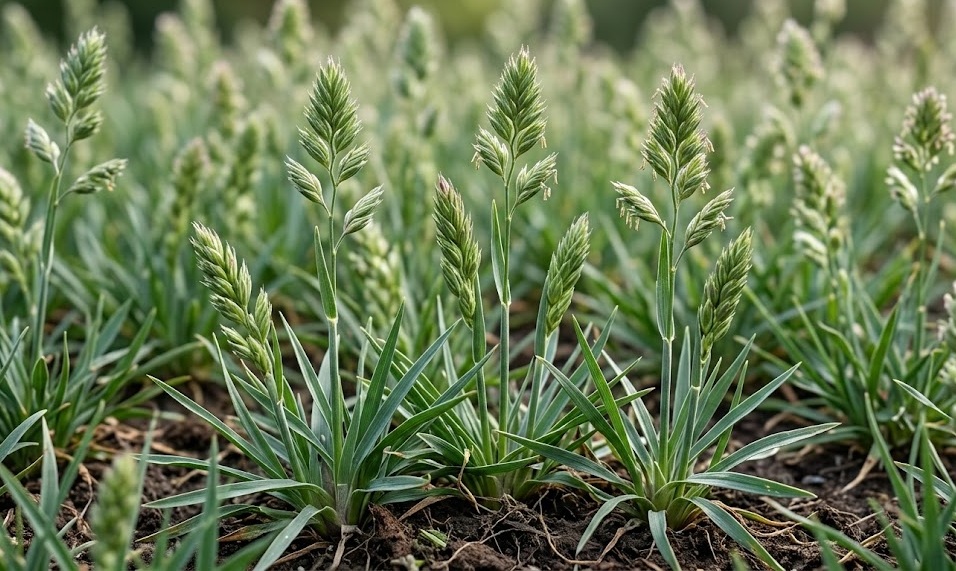
The primary reason for cutting back orchard grass is to prevent the plants from reaching physiological maturity, at which point the stems become woody and the nutritional value drops significantly. You should aim to intervene during the vegetative or early “boot” stage, before the seed heads have fully emerged and the plant’s energy shifts toward reproduction. Regular cutting encourages the plant to continue producing lush, green leaves which are much higher in protein and more digestible for livestock. Keeping the grass in this younger state is the goal of any high-quality forage management program.
Cutting also plays a crucial role in managing the physical structure of the stand and preventing the clumps from becoming too large or unmanageable. If left uncut, orchard grass can form very dense, tall tussocks that shade out the surrounding ground and create bare patches where weeds can easily take hold. By maintaining a consistent height through regular cutting, you promote a more uniform canopy that protects the soil and maximizes light interception. This structural management is a key technical aspect of maintaining a healthy and productive field over the long term.
You must also consider the health of the plant’s crown and root system when deciding how much of the top growth to remove during a cut. Removing too much of the photosynthetic tissue can starve the roots and slow down the regrowth process, especially during periods of environmental stress like summer heat. A professional rule of thumb is to never remove more than half of the standing biomass at any one time to ensure the plant has enough energy to recover quickly. This careful balancing of removal and retention is what defines an expert approach to grass management.
Mastering the timing of the first cut
The timing of the first cut in the spring is perhaps the most critical management decision you will make all year for your orchard grass. You should be ready to start as soon as the grass reaches a height of about twenty-five to thirty centimeters, which often happens earlier than with other cool-season grasses. Waiting too long for the first cut can result in a massive amount of low-quality biomass that is difficult to harvest and slow to regrow. Being proactive with the first cut sets the pace for the rest of the growing season and ensures a high-quality initial harvest.
More articles on this topic
Weather conditions in the early spring can make the timing of the first cut challenging, as wet soils may prevent the use of heavy machinery. You should monitor the soil moisture closely and be prepared to take advantage of the first dry window to get your equipment into the field. If mechanical mowing is not possible, a short period of intensive grazing can be a professional alternative to manage the early spring flush. The goal is to remove the early growth before the plant starts to “bolt” and produce reproductive stems.
The height at which you set your mower for this first cut will influence the speed and health of the subsequent regrowth for the rest of the year. You should avoid cutting lower than ten centimeters to protect the growing points that are located near the base of the orchard grass clumps. This residual height also provides some shade for the soil, keeping the root zone cooler as the spring temperatures begin to rise. A professional “high cut” in the spring ensures a more stable and reliable production cycle throughout the summer months.
After the first cut is completed, you should assess the stand to see how evenly the grass is recovering and if any areas need additional attention. This is often an ideal time to apply a light dose of fertilizer to fuel the next round of growth, provided there is enough moisture in the soil. The success of your first cut determines the quality of the silage or hay you will produce and sets the foundation for the total yield of the year. Meticulous planning and precise execution are the hallmarks of a successful spring cutting strategy.
Managing subsequent cuts through the season
Subsequent cuts of orchard grass should be timed based on the height and growth rate of the plant rather than a fixed calendar schedule. You should wait until the grass has regained its full height and has replenished its energy reserves before cutting it back again. Typically, this occurs every four to six weeks during the active growing season, depending on the availability of water and nutrients. Following the plant’s biological lead ensures that you are not overstressing the stand and that you are always harvesting high-quality forage.
More articles on this topic
During the hot summer months, the growth of orchard grass naturally slows down, and you should adjust your cutting frequency accordingly. You might find that the intervals between cuts need to be longer to allow the plants to recover from the combined stress of harvesting and high temperatures. In some cases, it may be better to skip a summer cut entirely if the plants are showing signs of drought stress or if the regrowth is very thin. Protecting the long-term health of the stand should always take priority over a single, low-quality harvest.
The technique used for cutting can also affect the health of the plants and the quality of the resulting forage. You should ensure that your mower blades are sharp and properly adjusted to create a clean cut rather than tearing the leaf tissues. Ragged edges on the leaves can lead to increased water loss and provide entry points for fungal pathogens, slowing down the plant’s recovery. Professional equipment maintenance is a vital but often overlooked part of a successful pruning and cutting program.
As you move into the late summer and early autumn, the focus of your cutting should shift toward preparing the plants for the coming winter. You should aim for one final cut that leaves enough residue to protect the crowns and trap snow, as discussed in the overwintering guidelines. This final “pruning” is less about forage yield and more about ensuring the survival and future productivity of the orchard grass. By managing every cut with a specific goal in mind, you maintain a high-performing and sustainable agricultural resource.
Mechanical vs biological cutting methods
While mechanical mowing is the standard for large-scale hay and silage production, “biological pruning” through controlled grazing offers many unique advantages. You should consider using livestock to manage the height of the orchard grass, as their selective grazing can promote a more diverse and resilient stand. However, grazing requires a high level of management to prevent over-grazing of the most palatable plants and the formation of bare patches. A professional “rotational grazing” system is the best way to achieve the benefits of grazing without the risks of over-use.
The impact of animal hooves can also act as a form of mechanical stimulation for the soil and the base of the plants, but it must be managed carefully. You should avoid grazing when the soil is very wet to prevent “pugging” and physical damage to the orchard grass crowns. Conversely, light trampling during dry periods can help break up old thatch and incorporate organic matter back into the soil surface. Understanding these physical interactions allows you to use your livestock as a sophisticated tool for stand management.
Mechanical mowing provides a much more uniform result and allows for the complete removal of biomass for storage and later use. You should use mowing when you need to quickly reset the entire field to a consistent height or when you want to eliminate weed seed heads before they mature. Mowing is also more efficient for managing very large areas where grazing might be too slow or difficult to control. Many professional operations use a combination of both methods to maximize the flexibility and productivity of their land.
Ultimately, whether you use a machine or an animal, the goal of cutting back the orchard grass is to support the life cycle of the plant. You should always be observing the results of your actions and looking for ways to refine your techniques for better outcomes. A successful pruning and cutting program is a dynamic process that responds to the needs of the plants, the requirements of the livestock, and the realities of the environment. Your commitment to professional excellence in these tasks ensures the continued health and value of your orchard grass fields.