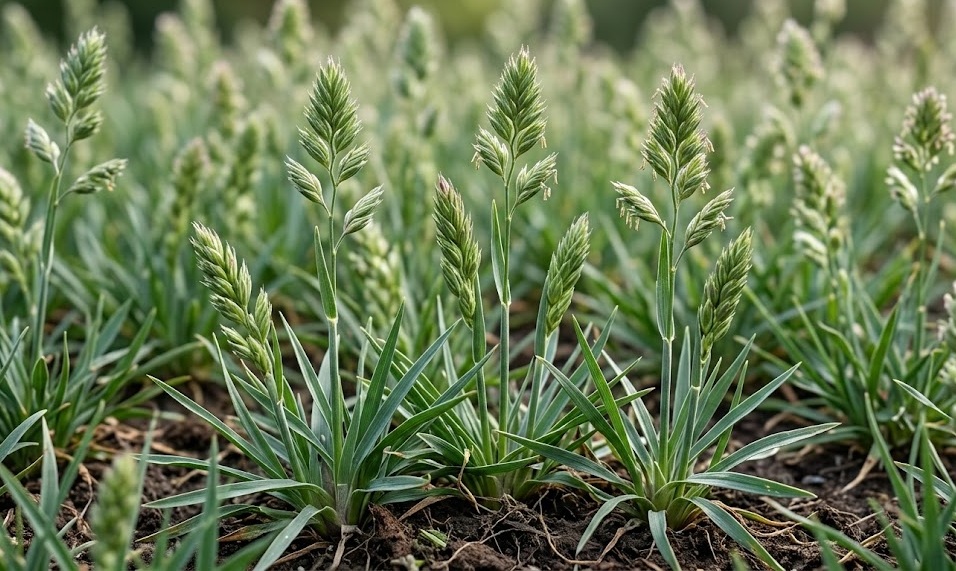

Understanding the specific light requirements of orchard grass is essential for optimizing its growth and ensuring its productivity in diverse agricultural and landscape settings. This species is unique among cool-season forage grasses for its remarkable shade tolerance, which allows it to thrive in environments where other grasses would quickly fail. You must balance its need for energy-producing sunlight with its ability to persist under a canopy of trees or during periods of reduced light intensity. A professional approach to light management ensures that you can capitalize on this plant’s biological flexibility to maximize biomass production in various conditions.
The primary driver of all plant growth is photosynthesis, and orchard grass is highly efficient at converting solar energy into digestible fiber and protein. You should understand that while it is shade-tolerant, the plant still performs at its highest potential when it has access to full or partial sunlight for a significant portion of the day. In high-light environments, the grass develops a more robust root system and thicker leaves, which improves its overall resilience to grazing and environmental stress. Observing how the grass responds to different light levels in your fields will help you determine the best placement for new stands.
In shaded environments, such as silvopasture systems or forested edges, orchard grass exhibits specific physiological adaptations to make the most of limited light. You will notice that the leaves may become thinner and more elongated as the plant attempts to increase its surface area for light absorption. While this allows the plant to survive under a canopy, it can also make the forage more delicate and less resistant to heavy trampling. Managing light in these complex systems requires a nuanced understanding of how different tree species and densities affect the light quality reaching the forest floor.
The intensity and duration of light also influence the nutritional value of the orchard grass, particularly its sugar and protein content. You should be aware that plants grown in full sun often have higher levels of non-structural carbohydrates, which can make the forage more palatable and energy-dense for livestock. Conversely, grass grown in heavy shade may have lower energy levels but can still provide valuable fiber and late-season grazing. Balancing these factors is a key technical skill for any grower looking to optimize their forage quality throughout the year.
Managing shade in agricultural systems
The ability of orchard grass to grow in the shade makes it the premier choice for silvopasture, where trees and livestock are managed on the same piece of land. You should design your tree spacing to ensure that enough filtered light reaches the ground to sustain a productive grass stand. Thinning the tree canopy or choosing species with a more open growth habit can significantly improve the health and yield of the grass beneath. This integrated approach allows you to produce both timber and forage on the same acreage, increasing the overall efficiency of your land use.
More articles on this topic
In traditional open fields, shade can still be a factor near hedgerows, buildings, or along the edges of wooded areas. You should monitor these shaded zones to see if the orchard grass is maintaining its density or if it is being outcompeted by more shade-loving weeds. Often, the orchard grass will be the only productive forage species that remains in these darker areas, providing valuable cover where other grasses have disappeared. Utilizing the plant’s natural strengths in these transition zones is a hallmark of a professional land management strategy.
Light quality also changes as it passes through a leaf canopy, with the trees absorbing much of the blue and red light needed for photosynthesis. Orchard grass is particularly good at utilizing the “far-red” light that filters through the leaves, which gives it a competitive advantage in the understory. You can enhance this advantage by managing the timing of your grazing or mowing to ensure the grass is not overstressed when light levels are at their lowest. Proper management in shaded systems requires more frequent observation and a more flexible approach than in open fields.
The cooling effect of shade can actually be a benefit for orchard grass during the peak heat of summer, when full sun can cause the plants to go dormant. In many climates, the grass in the shade will remain green and productive long after the open-field stands have turned brown. You should consider this “seasonal shift” when planning your grazing rotation, using the shaded areas as a valuable resource during the hottest months. This strategic use of different light environments can help you level out your forage production across the entire growing season.
Optimizing light for high yield production
In high-production hay or silage systems, maximizing light interception is the key to achieving the highest possible yields of orchard grass. You should aim to maintain a leaf area index that is high enough to capture most of the incoming sunlight but not so dense that the lower leaves are completely shaded out. When the lower leaves do not receive enough light, they become a “sink” for energy rather than a source, leading to their premature senescence and death. Timely harvesting is the best way to ensure that the entire plant remains productive and that light can reach the new shoots at the base.
More articles on this topic
The orientation of your fields and the topography of your land can also affect how much light your orchard grass receives throughout the day. North-facing slopes or areas in the shadow of hills will naturally have lower light levels and cooler temperatures, which can slow down the initial spring growth. You should adjust your fertilization and watering schedules to account for these localized light conditions to ensure a more uniform crop. Being aware of these environmental nuances is part of the professional expertise required for high-level forage management.
Day length, or photoperiod, is another aspect of light that triggers important developmental changes in the orchard grass, such as the shift from vegetative growth to flowering. You should understand that as the days lengthen in the spring, the plant is biologically programmed to produce stems and seed heads, which can reduce forage quality. By managing the stand to prevent full flowering, you keep the plant in its more nutritious vegetative state for as long as possible. Controlling this biological response through careful timing is a key skill for any professional grower.
Finally, you should consider the impact of competition from other plants on the light available to your orchard grass. Fast-growing annual weeds can quickly overtop young grass seedlings, stealing the light they need to establish a strong root system. Maintaining a clean seedbed and using appropriate weed control measures ensures that your grass has the best possible access to the sun during its most vulnerable stages. A clear and unobstructed path to the light is the foundation of a healthy and high-yielding orchard grass field.
Adapting management to light availability
Adapting your management practices to the specific light conditions of each field is what separates a professional from a novice. You should be prepared to use different seeding rates, fertilizer levels, and grazing intensities depending on whether you are working in full sun or heavy shade. In lower-light environments, you might reduce the nitrogen application to prevent the plants from becoming too “leggy” and prone to lodging. This tailored approach ensures that the plants are not overstimulated beyond what the available light can support.
Monitoring the color and structure of the grass can give you immediate feedback on whether the plants are receiving the right amount of light. Pale, yellowish-green leaves in a shaded area might indicate that the plant is struggling to produce enough chlorophyll for its environment. Conversely, very dark green leaves in full sun show that the plant is healthy and actively engaged in high-level photosynthesis. Learning to “read” the plants in this way allows you to make real-time adjustments to your care routine.
In landscape or ornamental settings, orchard grass can be used as a low-maintenance groundcover in areas that are too dark for traditional lawn grasses. You should recognize that while it will not form a perfectly manicured turf, its ability to stay green in the shade is a major aesthetic and functional advantage. Managing these areas involves less frequent mowing and a focus on maintaining the health of the clumps rather than trying to force them into a carpet-like form. This professional application of the plant’s light requirements can solve many difficult landscaping challenges.
Ultimately, light is the most basic resource for your orchard grass, and managing it effectively is a lifelong learning process. You should always be open to experimenting with new techniques and observing how different environmental factors interact with the light levels in your fields. By respecting the plant’s biological needs and capitalizing on its natural shade tolerance, you can create a more resilient and productive agricultural system. Your expertise in light management is a vital component of your success as a grower.