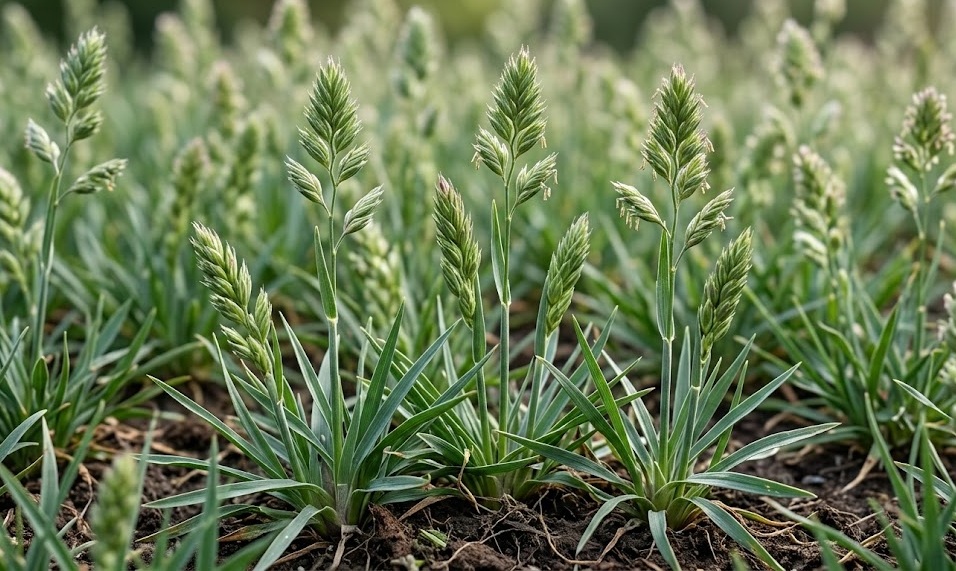

Protecting orchard grass from the myriad of diseases and pests that can affect it is essential for maintaining a high-quality and productive forage stand. While this grass species is relatively hardy, it is susceptible to various fungal pathogens and insect infestations that can significantly reduce both yield and nutritional value. You must be able to identify the early signs of trouble and implement integrated pest management strategies to mitigate damage effectively. A professional approach to plant health involves a combination of preventive measures, biological controls, and the judicious use of treatments when necessary.
The most common threats to orchard grass are often related to environmental conditions that favor the spread of fungi or the proliferation of specific insects. You should be especially vigilant during periods of high humidity and moderate temperatures, as these are the prime conditions for many leaf-spotting diseases. Regular scouting of your fields is the most important task you can perform to catch these issues before they become widespread. Early detection allows for more targeted and less expensive interventions, protecting your investment in the crop.
Pests and diseases do not just reduce the physical amount of grass available; they can also alter the chemical composition of the forage, making it less palatable or even toxic to livestock. You should understand that a stressed plant is more likely to be attacked, so maintaining overall plant health through proper watering and fertilization is your first line of defense. By creating an environment where the grass can thrive, you naturally increase its resistance to most common biological threats. A holistic view of the field as an ecosystem helps you manage these challenges more sustainably.
Developing a long-term strategy for pest and disease management requires keeping detailed records of past outbreaks and the effectiveness of different treatments. You should note which areas of your fields seem most prone to certain issues and look for patterns related to weather or management practices. This historical data is invaluable for predicting future problems and planning your preventive measures more accurately. Being proactive rather than reactive is the key to maintaining a healthy and profitable orchard grass stand over several seasons.
Identifying and managing fungal diseases
Fungal diseases like leaf rust and various leaf spots are among the most frequent challenges you will face when growing orchard grass. You should look for small, orange or brown pustules on the leaves, which are characteristic of rust and can quickly cover the entire plant in humid weather. These fungi sap the energy from the grass, reducing its photosynthetic capacity and causing the leaves to wither prematurely. If left unchecked, a severe rust infestation can significantly lower the protein content and overall quality of the forage.
More articles on this topic
Management of fungal issues starts with selecting resistant varieties when planting or renovating your fields. You should also ensure that the stand is not too dense, as poor air circulation within the canopy creates a microclimate that is perfect for fungal growth. Mowing the grass at the appropriate time can help remove infected material and encourage the growth of new, healthy leaves. In extreme cases, a professional might recommend the application of a fungicide, but this should always be a last resort.
Powdery mildew and various root rots can also affect orchard grass, especially in fields with poor drainage or excessive nitrogen levels. You should observe the base of the plants for signs of discoloration or softening, which could indicate that a soil-borne fungus is attacking the root system. Improving soil aeration and adjusting your fertilization schedule are often the most effective ways to manage these underlying issues. Healthy soil biology can also help suppress these pathogens naturally through competition and predation.
Prevention is always more effective and less costly than trying to cure a widespread fungal outbreak once it has taken hold. You should avoid moving equipment from infected fields to clean ones without thorough cleaning to prevent the spread of spores. Maintaining a diverse field with companion legumes can also help slow the spread of species-specific fungi by creating physical barriers. By focusing on these preventive and cultural practices, you can keep the impact of fungal diseases to a minimum.
Common insect pests and their impact
Insect pests can cause sudden and dramatic damage to orchard grass stands, often appearing in large numbers when environmental conditions are right. You should be on the lookout for armyworms, which can strip a field of its green leaves in a matter of days if their population explodes. These caterpillars are most active in the late spring and early summer and tend to hide near the base of the plant during the day. Regular sweeping of the grass with a net or careful visual inspection of the thatch layer can help you find them before they cause major losses.
More articles on this topic
Aphids and leafhoppers are smaller pests that can cause “hidden” damage by sucking the sap from the grass and transmitting viral diseases. You should look for signs of yellowing, stunting, or distorted growth that cannot be explained by nutrient deficiencies or lack of water. These insects often multiply rapidly in warm, dry weather and can significantly weaken the plants if their numbers are not managed. Encouraging natural predators like ladybugs and lacewings is a key part of a professional biological control strategy for these smaller pests.
Soil-dwelling insects like white grubs and wireworms can also be a significant problem, as they feed directly on the roots of the orchard grass. You might notice patches of dead or dying grass that can be easily pulled up from the ground, indicating that the root system has been severely compromised. These pests are often more common in fields that have recently been converted from old pasture or sod. Managing these underground threats often requires cultural practices like strategic tilling or the use of targeted biological agents.
The impact of insect pests is not just limited to the direct loss of biomass; it also includes the secondary stress they place on the plants. You should understand that an insect attack often opens wounds that allow fungal and bacterial pathogens to enter the plant more easily. Integrated pest management involves monitoring these interactions and choosing the intervention that has the lowest impact on beneficial insects. By maintaining a balanced ecosystem, you can often keep pest populations below the threshold where they cause economic damage.
Viral and bacterial threats
While less common than fungal or insect issues, viral and bacterial diseases can still pose a serious threat to the longevity of an orchard grass stand. You should be aware of viruses like the cocksfoot mottle virus, which can cause streaks on the leaves and a general decline in plant vigor. These viruses are often spread by mechanical means, such as contaminated mowing equipment, or by insect vectors like beetles and aphids. Once a plant is infected with a virus, there is no cure, so prevention and the removal of infected plants are your only options.
Bacterial diseases often manifest as wilts or blights, where parts of the plant suddenly turn brown and die back. You should look for “water-soaked” lesions on the stems or leaves, which are often the first signs of a bacterial infection. These pathogens thrive in wet conditions and can be spread by splashing rain or by animals moving through the wet grass. Ensuring good drainage and avoiding activities in the field when the grass is wet can help reduce the risk of bacterial spread.
Managing these microscopic threats requires a high level of sanitation and careful observation of the entire field. You should clean your tools and equipment between fields, especially if you suspect that a disease is present in one of them. Using certified, disease-free seed is the best way to ensure that you are not introducing these pathogens into a new planting. If you encounter a mysterious decline in your orchard grass that does not respond to standard treatments, it may be worth sending a sample to a lab for viral or bacterial testing.
A long-term strategy for managing viruses and bacteria involves building the overall resilience of the stand through genetic diversity and optimal care. You should consider using a mix of different orchard grass varieties that have different levels of resistance to known local threats. This diversity ensures that even if one variety is affected, the others can fill in the gaps and maintain the productivity of the field. A professional approach to plant health always includes a plan for the unexpected.
Integrated pest management strategies
Integrated Pest Management (IPM) is the professional standard for dealing with the complex array of threats that can affect orchard grass. You should view chemical treatments as just one tool in a much larger toolbox that includes cultural, biological, and mechanical controls. The goal of IPM is to manage pests and diseases in a way that is economically viable, socially responsible, and environmentally sound. This approach requires a deeper understanding of the life cycles of both the pests and the plants they inhabit.
The first step in any IPM program is setting “action thresholds,” which are the levels of pest or disease presence that justify a specific intervention. You should not necessarily reach for a treatment at the first sign of a single insect or a few spots on a leaf. Instead, you should monitor the population or the spread of the disease to see if it is likely to cause significant economic loss. This patience allows natural predators and environmental factors to potentially solve the problem for you without intervention.
Cultural practices are the foundation of IPM and involve managing the environment to make it less favorable for pests and diseases. You should focus on tasks like maintaining proper soil fertility, managing moisture, and ensuring appropriate grazing or mowing heights. For example, keeping the grass at a height that encourages air movement can significantly reduce the pressure from fungal pathogens. These simple, everyday management choices are often your most powerful tools for maintaining a healthy field.
Finally, biological controls involve using other living organisms to help manage pest populations in your orchard grass fields. You should protect and encourage beneficial insects like spiders, ground beetles, and parasitic wasps that naturally keep pest numbers in check. In some cases, you might even introduce specific biological agents, such as beneficial nematodes or bacteria, to target certain soil pests. By working with nature rather than against it, you create a more stable and resilient agricultural system that requires fewer external inputs.
Preventive measures and long term health
Prevention is always the most effective strategy for managing the health of your orchard grass over the long term. You should start with a clean, well-prepared seedbed and use high-quality, certified seeds that are appropriate for your local conditions. Ensuring that your plants have the right nutrients and water from the very beginning builds a strong foundation that can resist future stresses. A healthy, vigorous plant is much better equipped to survive a minor pest attack or a period of disease pressure.
Regular scouting and monitoring should be a permanent part of your professional routine, regardless of whether you see immediate problems. You should walk your fields at least once a week during the growing season, paying close attention to any changes in color, growth rate, or overall appearance. Taking photos and keeping a journal of your observations can help you track the progression of issues over time and evaluate the success of your interventions. This habit of observation is what distinguishes an expert grower from a casual observer.
Proper equipment maintenance also plays a crucial role in preventing the spread of diseases and pests between different areas of your operation. You should make it a habit to clean and disinfect your mowers, balers, and other tools after working in a field where you suspect a problem. This simple step can prevent the inadvertent transfer of fungal spores, weed seeds, or insect eggs across your entire farm. Being disciplined about sanitation is a hallmark of a professional approach to agricultural management.
Ultimately, the goal is to create a sustainable environment where orchard grass can reach its full potential with minimal interference. You should always be looking for ways to improve your management practices and stay informed about new research in plant pathology and entomology. A commitment to continuous learning and adaptation ensures that you stay one step ahead of the ever-evolving threats in the natural world. By managing for health rather than just reacting to disease, you ensure the long-term productivity and value of your fields.