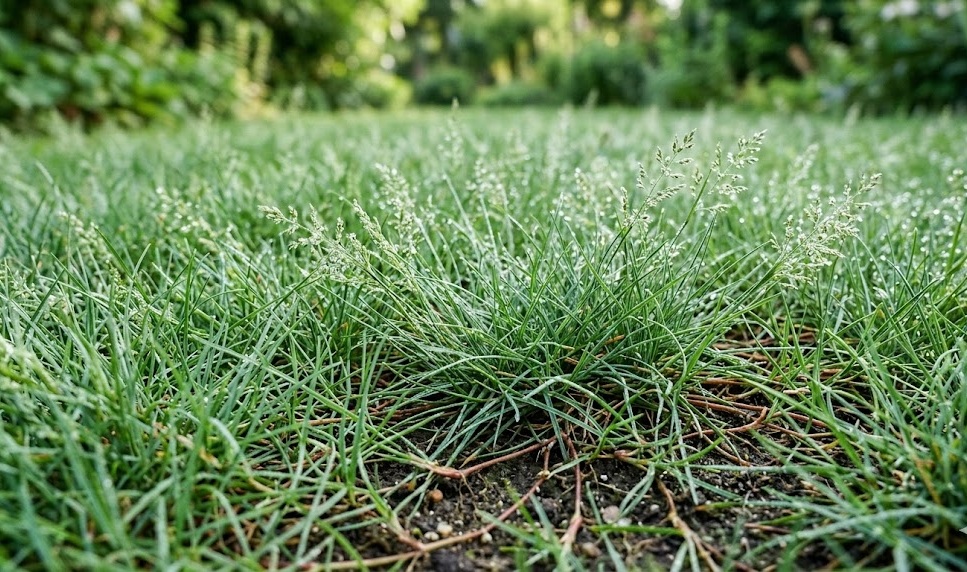

Maintaining a high-quality turf area with creeping bentgrass requires a level of dedication that far exceeds standard lawn care practices. This specific grass species is prized for its ability to form a dense, velvet-like carpet, making it the gold standard for golf course greens and premium landscapes. Professional care involves balancing soil chemistry, mechanical interventions, and precise environmental monitoring to sustain its vigor. Every decision made in the maintenance cycle directly influences the aesthetic appeal and biological resilience of the turf system.
Fundamental principles of turf health
Achieving a professional-grade surface starts with understanding the unique growth habit of this cool-season grass. It spreads through vigorous stolons, which allows it to recover from damage but also leads to rapid thatch accumulation. You must observe the density of the canopy daily to detect early signs of stress or overcrowding. A proactive approach is always more effective than reactive treatments when dealing with such a sensitive species.
Monitoring environmental variables like humidity and temperature is essential for preventing structural decline. High temperatures can cause significant stress, leading to a reduction in root mass and overall vitality. You should keep detailed logs of weather patterns to anticipate when the grass might need extra support. Understanding the local microclimate helps in adjusting maintenance schedules to match the actual needs of the plants.
Soil structure plays a pivotal role in supporting the dense root system required for a healthy lawn. The physical properties of the growing medium must allow for both rapid drainage and adequate gas exchange. If the soil becomes too compacted, the stolons will struggle to navigate the surface, and oxygen levels will drop. Regular testing of the soil profile ensures that you are providing the best possible foundation for long-term growth.
The human element of care cannot be overstated, as intuition often guides the best horticultural decisions. While data is important, the visual feedback from the grass tells a story of its current physiological state. Expert caretakers often notice subtle changes in color or texture before any automated sensor picks up a problem. Developing this “eye” for the turf is what separates a standard gardener from a true turfgrass professional.
More articles on this topic
Soil management and chemistry
The chemical composition of the soil must be kept within a very narrow range to facilitate optimal nutrient uptake. Creeping bentgrass prefers a slightly acidic environment where most essential minerals are readily available to the roots. You need to conduct professional soil tests at least twice a year to monitor pH levels and nutrient concentrations. Correcting imbalances early prevents the grass from entering a state of nutrient deficiency or toxicity.
Organic matter accumulation is a natural byproduct of the grass’s aggressive growth, but it must be managed carefully. Excessive organic layers can hold too much moisture, creating a breeding ground for pathogens and reducing air movement. You should aim to keep the organic content in the top layer at a sustainable level through various cultural practices. Balancing the breakdown of old tissue with the production of new growth is a delicate but necessary task.
Cation exchange capacity is another technical aspect that defines how well your soil can hold onto vital nutrients. Sandy soils, which are often used for bentgrass for their drainage properties, usually have low capacity and require more frequent attention. You might need to supplement the soil with specific amendments to improve its ability to retain fertilizers. This ensures that the nutrients you apply are actually used by the plants rather than leaching away.
Understanding the relationship between soil microbes and plant health is becoming increasingly important in modern turf management. A healthy population of beneficial bacteria and fungi helps decompose thatch and provides a natural defense against diseases. You can encourage this biological activity by avoiding excessive use of harsh chemicals that might sterilize the soil. Promoting a living soil environment results in a more resilient and self-sustaining turf system over time.
More articles on this topic
Mechanical aeration techniques
Core aeration is perhaps the most critical mechanical process for maintaining a healthy creeping bentgrass stand. This process involves removing small plugs of soil and thatch to relieve compaction and introduce oxygen directly to the root zone. You should schedule this during periods of active growth when the grass can quickly recover from the physical disruption. The holes created by the aerator also allow topdressing materials to reach deeper into the soil profile.
Solid tine aeration provides a less invasive way to improve gas exchange without the mess of removing soil cores. This method is excellent for mid-season maintenance when you want to minimize surface disruption for aesthetic reasons. While it does not remove material, it effectively breaks up surface crusting and helps water penetrate the root zone more easily. Using different tine sizes allows you to customize the treatment based on the current condition of the turf.
Deep tining is a specialized technique used to address compaction issues that occur further down in the soil profile. This is often necessary in high-traffic areas where the weight of equipment or foot traffic has compressed the lower layers. By fracturing the soil at depth, you create new channels for root growth and improve overall drainage. This process should be performed by experienced operators to ensure the safety of underlying irrigation systems.
Slicing and spiking are lighter mechanical treatments that can be performed more frequently to keep the surface open. These tools create small slits in the turf canopy, which helps prevent the surface from becoming sealed and hydrophobic. They are particularly useful during the summer months when heavy aeration might be too stressful for the grass. Incorporating these minor mechanical interventions into your routine keeps the turf breathing and responsive throughout the year.
Thatch and mat management
Thatch is the layer of living and dead organic material that sits between the green canopy and the soil surface. In creeping bentgrass, this layer can grow very quickly due to the constant production of stolons and leaves. You must monitor the thickness of this layer to ensure it does not exceed a manageable depth, usually around half an inch. Excessive thatch acts like a sponge, holding moisture and preventing nutrients from reaching the roots.
Vertical mowing, or verticutting, is the primary tool for physically removing excess thatch from the turf canopy. The vertical blades of the machine cut through the stolons and lift out the accumulated organic debris. You should adjust the depth of the blades based on how much material needs to be removed and the recovery capacity of the grass. Regular light verticutting is often better than infrequent, heavy sessions that can leave the turf looking sparse.
Topdressing involves applying a thin layer of sand or soil mix over the surface of the turf to fill in the canopy. This material helps decompose thatch by putting it in direct contact with soil microbes and leveling out the playing surface. You must choose a topdressing material that is compatible with your existing soil to avoid creating layers that trap water. Consistent topdressing is the secret to creating the smooth, firm surfaces found on the world’s best golf courses.
Brushing and grooming are gentler ways to manage the architecture of the turf canopy on a daily basis. These practices lift the grass blades and stolons before mowing, ensuring a cleaner and more uniform cut. They also help move sand topdressing down into the thatch layer and disrupt the microenvironment favored by some pests. Integrating these simple mechanical actions into your daily routine significantly improves the quality of the finish.
Seasonal maintenance adjustments
Spring is the time for renewal and preparation for the high-growth phase of the early season. You should focus on removing any winter debris and performing a light aeration to wake up the root system. As soil temperatures rise, the grass will begin to push new growth, requiring a gradual increase in nutrient applications. This is also the ideal window for any necessary overseeding to fill in thin areas.
Summer maintenance is all about stress management and preserving the health of the plant during heatwaves. You must prioritize water management and avoid any heavy mechanical work that could bruise the tender grass blades. Syringing, or applying light mists of water, can help lower the canopy temperature during the hottest parts of the day. Keeping the mowing height slightly higher during this period provides more shade for the crown and roots.
Autumn is the golden period for recovery and building up reserves for the coming winter months. The cooler temperatures and consistent moisture provide the perfect environment for aggressive root development and thatch breakdown. You should perform your most intensive mechanical work during this time to prepare the soil for the dormant season. Boosting potassium levels in late autumn helps strengthen the cell walls of the grass for better cold tolerance.
Winter care focuses on protection and minimizing any activity that could damage the dormant plants. You should restrict traffic on the turf when it is frozen to prevent crown hydration injury or physical breaking of the grass. Monitoring for snow mold and other cold-weather pathogens is essential even when the grass is not actively growing. A well-planned winter strategy ensures that the turf emerges in the spring with minimal loss and maximum potential.
Precision equipment and tool care
The quality of your maintenance is only as good as the tools you use to perform the work. Reel mowers are essential for creeping bentgrass because they provide the precision cut required at very low heights. You must ensure that the blades are sharpened frequently and that the bedknife is perfectly adjusted. A dull blade tears the grass rather than cutting it, leading to brown tips and increased disease susceptibility.
Calibration of sprayers and spreaders is a technical task that requires constant attention to detail. Applying too much or too little of any product can have disastrous consequences for the health and appearance of the turf. You should check the output of your equipment before every application to ensure uniform coverage. Professional-grade equipment often features GPS and precision flow controls to minimize human error and environmental impact.
Cleaning and disinfecting tools between uses is a vital step in preventing the spread of diseases across the site. Pathogens can easily be transported on the tires of mowers or the blades of aerators from one area to another. You should establish a dedicated wash station where equipment can be thoroughly cleaned and dried after each session. This simple habit is one of the most effective ways to maintain a clean and healthy environment for the grass.
Investing in high-quality sensors and monitoring technology can provide valuable insights into the hidden world of the turf. Soil moisture probes and handheld salinity meters allow you to make decisions based on real-time data rather than guesswork. You can use this information to fine-tune your irrigation and fertilization programs for maximum efficiency. Technology should complement, not replace, the experience and intuition of a skilled turf manager.
Ecological balance and long-term health
Sustainable turf management involves looking at the lawn as a complex ecosystem rather than just a collection of plants. You should strive to create a balance where the grass can thrive with minimal artificial intervention over time. This includes selecting the right cultivars that are naturally resistant to local pests and environmental stresses. A diverse biological community in the soil supports the grass and reduces the need for synthetic inputs.
Water conservation is a critical responsibility for anyone managing large areas of high-maintenance turf. You should aim to use only the minimum amount of water necessary to maintain plant health and functional quality. Implementing modern irrigation systems with weather-based controllers helps prevent waste and protects local water resources. Using recycled or harvested water can also improve the sustainability profile of your maintenance program.
Integrated pest management focuses on using cultural, biological, and mechanical controls before turning to chemical solutions. You should monitor pest populations closely and only intervene when they reach a level that threatens the survival of the turf. This approach protects beneficial insects and prevents the development of chemical resistance in pest populations. Creating a healthy, vigorous turf is the best natural defense against any infestation.
Long-term planning is the hallmark of a professional who understands the lifecycle of creeping bentgrass. You should have a multi-year strategy for major renovations, equipment replacement, and soil improvement projects. This high-level view allows you to manage resources effectively and ensure the continued excellence of the turf for decades. True success is measured by the consistent quality and resilience of the landscape year after year.
Maintaining creeping bentgrass is a full-time job, even for a professional. It is prone to thatch buildup because of its aggressive stoloniferous growth, so regular verticutting and topdressing are non-negotiable. If you let the thatch layer get too thick, the roots will stay in the thatch instead of the soil, making the turf incredibly vulnerable to heat and drought. I also monitor the soil temperature daily during the summer; once it hits 80 degrees, the roots of bentgrass start to decline. Syringing the turf during the hottest part of the day can help lower the canopy temperature, but you have to be careful not to over-saturate the soil. It’s a delicate dance of management. Precision is the name of the game here.
The thatch management you mentioned is exactly why most home gardeners should avoid bentgrass. Without a professional-grade verticutter and a source for high-quality sand topdressing, it becomes a spongy mess within two seasons. Have you experimented with any growth regulators like trinexapac-ethyl to manage the growth rate and improve stress tolerance? I’ve found it helps significantly with keeping the canopy dense while reducing the need for aggressive mowing.