
Growing these vibrant plants successfully requires a deep understanding of their tropical origins and specific environmental preferences. While they are often considered easy to grow, providing the right conditions will transform a simple specimen into a breathtaking focal point in your garden. You must pay attention to the subtle cues the plant gives you through its leaf texture and color intensity throughout the growing season. A professional approach ensures that your collection remains healthy and visually stunning from early spring until the first frost of autumn.
Understanding the basics of growth
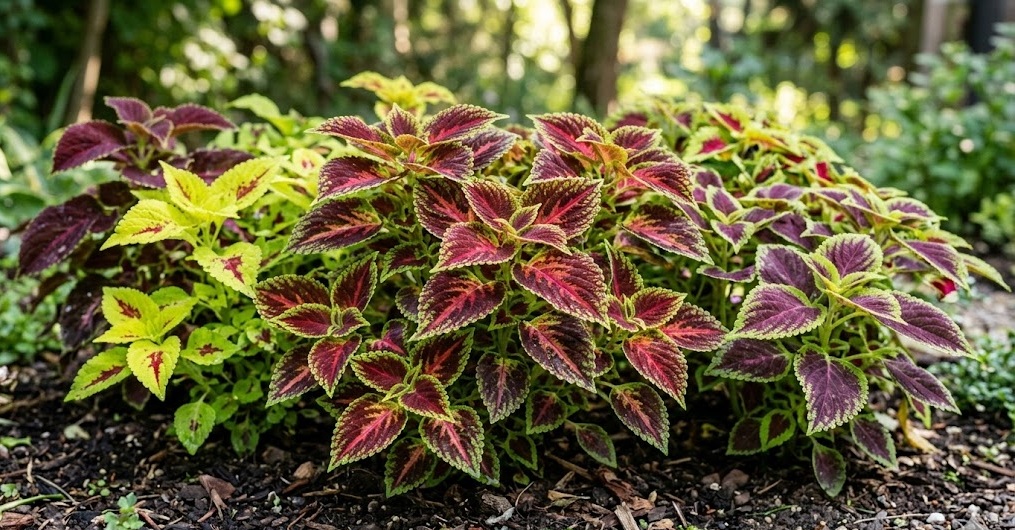
Successful cultivation starts with recognizing that these plants are primarily grown for their spectacular foliage rather than their flowers. You will find that the diversity in patterns and colors is almost limitless, ranging from neon greens to deep burgundies. Each variety has a slightly different growth habit, with some remaining compact while others reach significant heights in a single season. Understanding these characteristics allows you to place them effectively within your landscape or container arrangements for maximum impact.
The structure of the plant is characterized by square stems and opposite leaves, which is a classic trait of the mint family. This anatomical feature makes them quite sturdy, though the stems can become brittle as they age or if they grow too quickly. You should observe how the plant branches out naturally to determine if it needs manual intervention to maintain its shape. Healthy growth is usually rapid when the environmental conditions meet the plant’s specific biological needs.
Soil selection is the foundation of any professional gardening endeavor, especially with high-performance foliage plants. You should always aim for a growing medium that offers a perfect balance between moisture retention and excellent drainage. A mix rich in organic matter will provide the steady supply of nutrients required for the rapid production of large, colorful leaves. Avoid heavy clay soils that compact easily, as these will surely suffocate the delicate root system over time.
Acclimatization is a crucial step that many hobbyists overlook when bringing new plants home from a greenhouse. You should gradually expose your plants to the specific conditions of your garden or home over a period of several days. This process prevents transplant shock and allows the cellular structure of the leaves to toughen up against wind and varying light levels. Starting with a strong, well-adjusted plant significantly increases your chances of success throughout the rest of the year.
More articles on this topic
Managing temperature and environment
These plants are native to tropical regions, which means they have absolutely no tolerance for freezing temperatures. You must ensure that the ambient temperature remains consistently above ten degrees Celsius to avoid growth stunting or tissue damage. In many climates, this means waiting until late spring to move your collection outdoors permanently. Sudden cold snaps can cause the leaves to drop overnight, leaving you with a bare and struggling stem.
High heat can also be a challenge, particularly if it is accompanied by very dry air or direct midday sun. When temperatures soar above thirty degrees, the plant may begin to wilt even if the soil is technically moist. This is a defensive mechanism to reduce transpiration, but chronic heat stress will eventually fade the brilliant leaf colors. Providing some midday relief or using misting techniques can help maintain the turgidity and vibrancy of the foliage during summer peaks.
Air circulation is an often neglected aspect of the growing environment that plays a vital role in preventing disease. You should space your plants far enough apart to allow a gentle breeze to move through the canopy. This prevents the buildup of stagnant, humid air which is the primary breeding ground for various fungal pathogens. However, avoid placing them in high-wind tunnels where the large leaves could be physically torn or the soil dried out too rapidly.
Consistency is the hallmark of professional care, especially regarding the microclimate surrounding your plants. Large fluctuations in temperature between day and night can stress the plant and lead to erratic growth patterns. If you are growing them in containers, you have the advantage of being able to move them to more sheltered locations during extreme weather events. Monitoring the local forecast will allow you to take proactive steps to protect your investment in these beautiful tropical specimens.
More articles on this topic
Optimal humidity levels for foliage
Coming from humid tropical forests, these plants thrive when the moisture content in the air is relatively high. You will notice that the leaves look much more lush and vibrant when the humidity is maintained between fifty and seventy percent. In dry indoor environments, the edges of the leaves may become brown and crispy, which is a clear sign of atmospheric stress. Using a humidifier or placing pots on a tray filled with pebbles and water can create a suitable microclimate.
During the height of summer, outdoor humidity is often sufficient, but you should still be mindful of drying winds. If you live in an arid climate, planting your collection near a water feature or among other transpiring plants can help. Grouping plants together creates a collective humidity zone that benefits every individual in the arrangement. This natural synergy is a simple yet effective way to mimic the plant’s native habitat without expensive equipment.
Misting the leaves is a common practice, but it must be done with caution and at the right time of day. You should only mist in the early morning so that the foliage has plenty of time to dry before the sun gets too hot or evening falls. Leaving water droplets on the leaves overnight can invite fungal issues that are difficult to eradicate. If the air is exceptionally dry, a fine mist can provide temporary relief and keep the stomata functioning efficiently.
Indoor growers face the biggest challenge with humidity during the winter months when heating systems strip moisture from the air. You might consider moving your plants to a bathroom or kitchen where natural moisture levels are typically higher. If that is not an option, a dedicated plant room with a controlled environment is the best way to maintain exhibition-quality foliage. Observing the texture of the leaves daily will tell you if your humidity management strategy is working or needs adjustment.
Choosing the right containers
The choice of a container is not just an aesthetic decision but a functional one that affects the health of the root system. You must ensure that every pot has large drainage holes at the bottom to allow excess water to escape freely. Terracotta pots are excellent for their breathability, though they do require more frequent watering as the soil dries out faster. Plastic or glazed ceramic containers hold moisture longer, which can be an advantage during the hottest weeks of the summer.
Size matters when it comes to the long-term development of your plants, as cramped roots will lead to diminished leaf size. You should select a pot that allows for at least a few inches of growth space around the current root ball. However, avoid using a container that is excessively large, as the unused soil can stay wet for too long and cause rot. Up-potting should be done gradually as the plant matures to ensure a steady and healthy expansion of the root network.
The weight of the container is another professional consideration, especially for taller varieties that might become top-heavy. You don’t want a sudden gust of wind to topple your beautiful display and break the brittle stems of your plants. Adding a layer of heavy gravel at the bottom of the pot can provide stability without compromising the drainage capacity of the soil. Choosing a wide-based container is usually safer than a tall, narrow one for most bushy cultivars.
Material selection also influences the temperature of the root zone, which is critical for these heat-loving species. Dark-colored pots can absorb a significant amount of solar radiation, potentially overheating the roots in direct sun. If your display is in a very sunny spot, consider lighter colors or double-potting to provide an insulating layer of air. Maintaining a stable root temperature is just as important as managing the air temperature for overall plant vigor.
Routine monitoring and maintenance
A professional gardener knows that daily observation is the best tool for preventing major problems before they start. You should take a few moments every day to look under the leaves and check the condition of the newest growth. This is where the first signs of nutrient deficiencies or pest infestations usually appear. Early detection allows for localized treatments that are much less invasive than total garden interventions.
Removing dead or damaged leaves is a simple task that keeps the plant looking its best and improves its health. You should use sharp, sterilized shears to make clean cuts and avoid tearing the delicate stem tissue. This practice not only improves the appearance but also prevents decaying matter from attracting unwanted insects. It also allows more light to reach the inner parts of the plant, encouraging a bushier and more robust structure.
Checking the soil moisture level should be a tactile process rather than a scheduled one. You should press your finger into the soil to a depth of about two centimeters to feel the actual moisture content. Relying purely on a calendar for watering often leads to either underwatering or drowning the plant depending on the weather. If the soil feels dry to the touch, it is time to provide a thorough soaking until water runs out the bottom.
Seasonal transitions require a shift in your maintenance routine to match the changing light and temperature. As the days grow shorter in autumn, you will notice the growth rate slowing down significantly. This is the signal to reduce the frequency of your interventions and prepare the plant for its next phase. Adapting your care to the natural rhythm of the plant is the mark of a truly experienced and successful horticulturalist.
Differences between indoor and outdoor care
Growing these plants indoors offers a different set of challenges and rewards compared to garden cultivation. You have much more control over the temperature and humidity, but light levels are often the limiting factor for color development. Placing your plants near a bright window is essential, though you must be careful about the magnifying effect of the glass. Indoor plants also tend to grow more slowly and require less frequent fertilization than their outdoor counterparts.
In the garden, your plants are exposed to the full complexity of the natural environment, including wind and rain. You will find that outdoor specimens often develop much thicker stems and larger leaves due to the increased light intensity. However, they are also more susceptible to pests and require more diligent watering during dry spells. The dynamic nature of the outdoors means you must be more reactive to weather changes to keep your plants thriving.
The choice of soil may also differ slightly depending on where you decide to keep your collection. For indoor pots, a lighter, peat-based or coco-coir-based mix is usually preferred to prevent the soil from becoming heavy and sour. In the garden, you can incorporate more compost and natural topsoil to provide a broader range of micronutrients. Regardless of the location, the goal remains a well-draining environment that supports active root respiration.
Pest management strategies must be adapted based on whether the plant is inside your home or out in the elements. Indoors, you are more likely to deal with fungus gnats or spider mites that thrive in still air. Outdoors, the presence of natural predators like ladybugs can help keep many pest populations in check. Understanding these ecological differences allows you to choose the most effective and least toxic methods for maintaining plant health in any setting.
Ensuring long term plant health
While these are often treated as annuals, they are actually tender perennials that can live for several years with the right care. You can maintain the youthfulness of a specimen by regularly taking cuttings and starting new plants. This ensures that even if the original mother plant becomes woody or less attractive, you still have her genetics in your collection. Continuous renewal is a standard practice among professional growers who want to preserve rare or favorite varieties.
The overall vitality of the plant is closely tied to the quality of the water you use over time. If your tap water is very hard or contains high levels of chlorine, you might see a salt buildup on the soil surface. This can eventually interfere with nutrient uptake and cause the leaf tips to turn yellow. Using filtered water or letting tap water sit for twenty-four hours can mitigate some of these long-term issues for your most prized specimens.
As the plant ages, you should pay close attention to the integrity of the main stem and its ability to support the heavy foliage. Sometimes a decorative stake is necessary to prevent the plant from snapping under its own weight or in a breeze. Using soft ties will ensure that you don’t damage the skin of the plant as it continues to expand. A well-supported plant can grow into a magnificent shrub-like form that serves as a centerpiece for your display.
Finally, the success of your collection depends on your willingness to learn from each individual plant’s behavior. You will find that some cultivars are much more resilient than others, even within the same species group. Keeping a simple garden journal can help you track which conditions led to the best results for specific colors or patterns. This cumulative knowledge is what separates a casual enthusiast from a true expert in the field of ornamental horticulture.