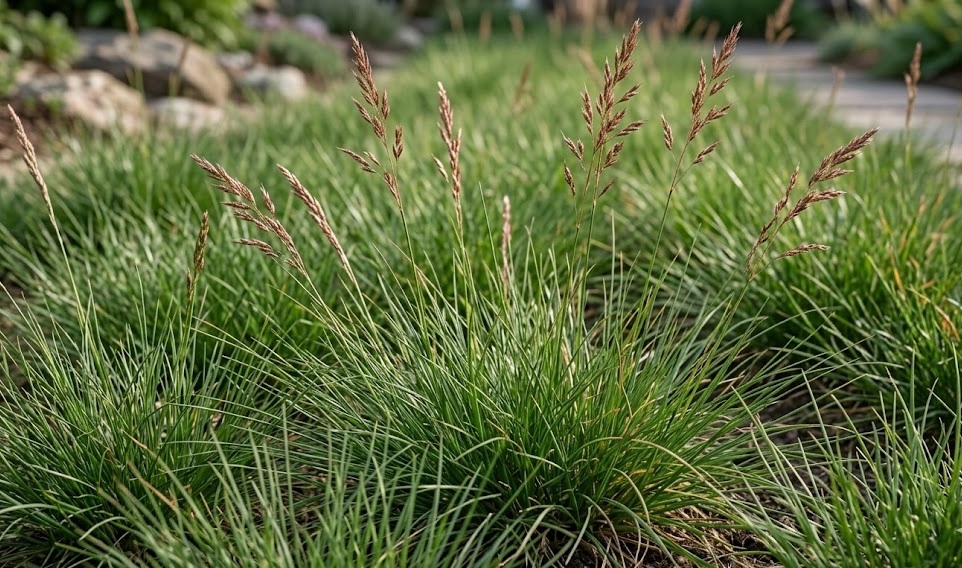

Red fescue is a remarkably resilient grass that provides a lush green carpet even in challenging conditions. Maintaining this species requires a deep understanding of its biological cycles and environmental preferences. By following professional guidelines, you can ensure that your lawn remains healthy and aesthetically pleasing throughout the year. Consistency in care is the most important factor for achieving a professional finish in any garden setting.
Managing this fine-textured grass starts with recognizing its slow growth rate compared to other turf species. This characteristic is actually a benefit for homeowners who prefer less frequent intervention in their landscape. You should monitor the color and density of the blades to identify any early signs of nutrient deficiency or water stress. Taking a proactive approach allows you to correct minor issues before they become significant problems for the entire lawn area.
Understanding the specific cultivar you have planted is essential for tailoring your maintenance routine. Some varieties are specifically bred for high shade tolerance, while others perform better in drought-prone environments. You should research the characteristics of your specific seed mix to optimize the timing of your gardening tasks. Knowledge of these nuances will help you achieve the best possible results with minimal wasted effort.
Expert lawn care involves more than just routine tasks; it requires an observation of the local microclimate. Factors such as wind exposure and nearby tree root competition can significantly impact how your grass grows. You must adjust your care strategies based on these environmental variables to maintain a uniform appearance. A healthy lawn is the result of a harmonious balance between the plant and its surrounding ecosystem.
Understanding the basics of lawn care
Establishing a regular maintenance schedule is the foundation of a successful red fescue lawn. You should categorize your tasks into daily observations, weekly maintenance, and seasonal deep-care routines. This organized approach prevents you from feeling overwhelmed by the needs of your garden. A well-maintained lawn not only looks better but also resists weeds and diseases more effectively.
More articles on this topic
The primary goal of care is to encourage a deep and robust root system. Strong roots allow the grass to survive periods of heat and drought without significant browning. You can achieve this by avoiding shallow, frequent actions that keep moisture only at the soil surface. Focus on techniques that promote downward growth and soil health over the long term.
Fine fescue species are known for their ability to thrive in poor soils where other grasses might struggle. However, this does not mean they should be neglected or left entirely to nature. You must provide the basic building blocks of growth while respecting the plant’s natural limitations. Over-maintaining can sometimes be just as damaging as under-maintaining when it comes to this specific grass.
Communication between the gardener and the soil is a continuous process of observation and response. You should look for changes in texture and elasticity of the grass blades underfoot. Soft, resilient grass indicates healthy turgor pressure within the plant cells. Brittle or dull-colored blades are often the first cry for help that you should address immediately.
Essential soil quality and preparation
The success of your red fescue starts beneath the surface with the physical structure of the soil. Ideally, this grass prefers well-drained, sandy loams that allow for excellent air circulation around the roots. You should test your soil’s drainage capacity before investing heavily in expensive amendments. Improving the structure of the earth is a long-term investment that pays off in turf quality.
More articles on this topic
Chemical balance is equally important, as red fescue typically thrives in slightly acidic to neutral environments. A soil test will reveal the pH levels and the availability of essential minerals for your plants. You should aim for a pH between 5.5 and 6.5 to maximize nutrient uptake efficiency. Adding lime or sulfur can help you reach these targets if your initial readings are outside this range.
Organic matter plays a vital role in maintaining soil moisture and supporting beneficial microbial life. You can incorporate compost or well-rotted manure into the top layers of the soil to improve its fertility. This organic component acts as a reservoir for nutrients that are released slowly over time. Healthy soil microbes also help in breaking down thatch and preventing the buildup of harmful pathogens.
Physical compaction is one of the greatest enemies of a healthy red fescue lawn. When soil particles are pressed too tightly together, roots cannot find the oxygen they need to survive. You should avoid heavy foot traffic or machinery use when the ground is excessively wet. Regularly checking for hard spots in the yard will help you identify areas that require mechanical intervention.
Yearly maintenance cycle and timing
Spring is the time for renewal and preparation as the grass begins its active growth phase. You should focus on removing winter debris and gently raking the surface to improve air flow. This is also the ideal window for addressing any bare patches that may have appeared during the cold months. Early spring care sets the tone for the entire growing season ahead.
Summer maintenance requires a shift in focus toward moisture conservation and stress reduction. You should increase the height of your mower blades to provide shade for the soil surface. Minimizing foot traffic during peak heat periods will help prevent physical damage to the grass blades. Observation during these months is critical to prevent total dormancy or heat-induced dieback.
Autumn is perhaps the most important season for long-term health and preparation for the future. You should take advantage of the cooling temperatures to perform more intensive soil treatments. This is the best time for overseeding and applying slow-release nutrients that build root reserves. Preparing the plants properly in the fall ensures a faster green-up when spring returns.
Winter care is mostly about protection and minimizing interference with the dormant plants. You should keep the lawn clear of heavy objects or piles of leaves that could suffocate the grass. Walking on frozen grass can shatter the blades and cause permanent crown damage. Respecting the plant’s resting period is essential for its survival and vigor in the following year.
Mechanical treatments for soil health
Aeration is a vital process that involves creating small holes in the soil to allow air and water to reach the roots. You should perform this task at least once a year, preferably during the active growth seasons of spring or fall. Core aerators are more effective than spike aerators because they actually remove soil rather than just pushing it aside. This treatment reduces compaction and encourages deeper root penetration throughout the lawn.
Dethatching is another mechanical process that targets the layer of dead organic matter between the grass and the soil. While a small amount of thatch is beneficial for insulation, an excessive layer can block water and nutrients. You should use a power rake or a specialized manual tool if the thatch layer exceeds one centimeter. Removing this barrier improves the overall health and responsiveness of your fescue.
Topdressing involves applying a thin layer of high-quality soil or sand over the surface of the lawn. This practice helps to level out minor bumps and fills in the holes left by aeration. You should choose a topdressing material that is similar in texture to your existing soil to avoid layering issues. This method also introduces fresh organic matter and helps to break down remaining thatch naturally.
Rolling the lawn is a technique that should be used sparingly and with great caution. It can help flatten out heaving caused by frost, but it also risks increasing soil compaction significantly. You should only use a light roller when the soil is slightly moist but not saturated. Overusing this tool will eventually lead to poor drainage and stunted grass growth.
Strategies for integrated weed management
Prevention is always the most effective way to manage weeds in a fine fescue lawn. By maintaining a thick and healthy turf, you leave very little space for weed seeds to germinate and establish. You should focus on proper mowing and watering techniques that favor the grass over opportunistic weeds. A dense canopy of red fescue is naturally competitive against many common garden invaders.
Hand-pulling is a practical solution for dealing with isolated weeds before they have a chance to go to seed. You should make sure to remove the entire root system to prevent the plant from regrowing. This method is environmentally friendly and prevents the need for chemical intervention in small areas. Regularly walking your lawn allows you to spot and remove these intruders early.
Pre-emergent herbicides can be used to stop weed seeds from growing in the first place. You must apply these products in early spring before the soil temperature reaches the threshold for germination. It is important to remember that these chemicals will also prevent grass seeds from growing, so do not use them if you plan to overseed. Always follow the manufacturer’s instructions carefully to protect the surrounding environment.
Post-emergent treatments are necessary when weeds have already established themselves in the turf. You should select selective herbicides that are specifically labeled as safe for use on red fescue. Spot treating only the affected areas is much better than blanket-spraying the entire lawn. Targeted applications reduce chemical usage and minimize the stress placed on your desirable grass.
Monitoring health and early stress detection
The color of your lawn is one of the most visible indicators of its overall health and nutritional status. Healthy red fescue should have a deep, consistent green hue without yellowing or brown spots. You should investigate any sudden changes in color, as they often signal issues with water, nutrients, or pests. Keeping a close eye on the visual appearance of the turf is your first line of defense.
Checking the elasticity of the grass blades can help you determine if the plants are getting enough water. If the grass stays flat after being stepped on, it is likely suffering from moisture stress. You should respond to these signs by adjusting your irrigation schedule before the damage becomes permanent. Early detection of wilt can save you from having to deal with large patches of dead grass.
Inspecting the base of the grass plants will reveal the condition of the crowns and the thatch layer. You should look for signs of mold, fungus, or insect activity near the soil surface. Healthy crowns should be firm and white or light green in color. Any mushiness or dark discoloration usually indicates a problem that requires immediate horticultural attention.
Growth rate variations can also tell you a lot about the performance of your lawn care routine. If the grass stops growing during a period when it should be active, something is likely hindering its development. You should evaluate recent weather patterns and your own maintenance actions to find the cause. Understanding these subtle signals makes you a much more effective and professional gardener.
Professional tips for dense turf coverage
Overseeding is a fantastic way to maintain density and fill in thinning areas of the lawn. You should choose a high-quality red fescue seed that matches your existing variety as closely as possible. Raking the area first ensures good seed-to-soil contact, which is crucial for a high germination rate. Keeping the overseeded areas moist until the new grass is established will guarantee success.
Managing foot traffic is essential for protecting the delicate blades of fine fescue. You should consider installing stepping stones or paths in areas that receive heavy use. Red fescue does not recover from physical wear as quickly as some other grass types. Reducing the mechanical stress on the plants allows them to focus their energy on healthy growth and expansion.
Sharp mower blades are a non-negotiable requirement for professional-level lawn care. Dull blades tear the grass rather than cutting it, which leads to ragged edges and increased susceptibility to disease. You should sharpen your blades at least twice during the growing season to ensure a clean cut. A clean cut heals faster and keeps the lawn looking vibrant and healthy.
Experimenting with small adjustments to your routine can help you find the perfect balance for your specific site. You should keep a simple log of your gardening activities and the weather conditions throughout the year. This data will allow you to see patterns and make more informed decisions in the future. Continuous learning is the hallmark of a true horticultural expert.