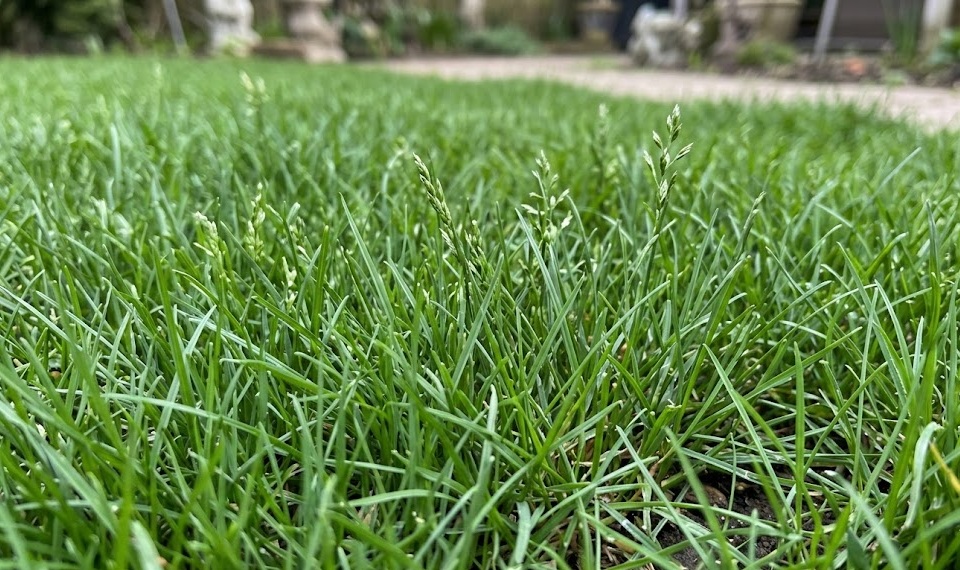

Providing the right balance of water and nutrients is the cornerstone of professional turf management for this demanding grass species. You must understand that Kentucky bluegrass has a high metabolic rate, which means it requires consistent inputs to maintain its deep green color and density. Over-watering or over-fertilizing can be just as damaging as neglect, leading to shallow roots and increased disease susceptibility. When you master these two elements, you unlock the full aesthetic and functional potential of your garden landscape.
Determining water needs and frequency
The amount of water your lawn requires depends heavily on the local weather conditions, soil type, and the age of the grass. You should generally aim for about two to three centimeters of water per week, including any natural rainfall that occurs. During periods of extreme heat, the grass may require more frequent hydration to prevent it from entering a state of dormancy. You can check the moisture levels by trying to push a screwdriver into the ground to see how easily it penetrates.
One of the best ways to tell if your lawn needs water is to look for subtle changes in the appearance of the blades. If the grass takes on a dull, bluish-gray tint or if your footprints remain visible after walking on it, the plants are thirsty. You should try to avoid watering on a strict schedule and instead respond to the actual needs of the living system. This responsive approach prevents the waste of precious water resources while ensuring the grass stays healthy and vibrant.
Soil type plays a massive role in how you should manage your irrigation routine throughout the growing season. Sandy soils drain very quickly and may require more frequent, lighter applications to keep the roots hydrated. Clay soils, on the other hand, hold onto moisture for much longer but can become waterlogged if you are not careful. Understanding the drainage characteristics of your land allows you to tailor your watering strategy for maximum efficiency and plant health.
You should always prioritize deep watering sessions over frequent, shallow misting once the lawn is fully established. When you provide a significant amount of water at once, it soaks deep into the soil profile, encouraging the roots to follow. This creates a much more drought-resistant plant that can survive several days of dry weather without showing signs of stress. Building a deep root system is your best insurance policy against the unpredictable nature of summer heatwaves.
More articles on this topic
Optimal irrigation systems and timing
The timing of your irrigation cycles can have a significant impact on the health of the grass and the efficiency of the water used. You should ideally water in the early morning hours, typically between four and eight o’clock, when temperatures are low. This allows the water to soak into the ground before the sun rises and causes excessive evaporation from the surface. Morning watering also ensures that the grass blades dry out quickly, reducing the risk of fungal infections.
Avoid watering in the evening or late at night, as this keeps the foliage wet for many hours during the darkness. Prolonged leaf wetness is a primary driver for many lawn diseases, such as leaf spot or powdery mildew. If you must water later in the day, try to do it early enough so the sun can dry the grass before nightfall. Consistency in your timing helps to stabilize the microclimate of your lawn and supports steady growth patterns.
Automatic sprinkler systems are incredibly convenient and can be programmed to deliver precise amounts of water to different zones. You should regularly check the spray patterns to ensure that every corner of the lawn is receiving adequate coverage without wasting water on sidewalks. It is also wise to install a rain sensor that will automatically cancel a scheduled cycle if nature has already provided enough moisture. This technology helps you be a more responsible steward of the environment while maintaining a perfect yard.
If you are watering by hand or using portable sprinklers, you must be careful to move the equipment regularly to prevent puddling. You can use a simple mechanical timer on your outdoor faucet to help you keep track of how long each area has been receiving water. Paying attention to the wind speed is also important, as strong gusts can blow the water away from the intended target. Regardless of the system you use, the goal is always uniform distribution and minimal waste.
More articles on this topic
Essential nutrients for vigorous growth
Nitrogen is the most important nutrient for Kentucky bluegrass, as it fuels the rapid growth and the rich green color that homeowners desire. You will find that this grass is a heavy feeder, requiring several applications of nitrogen throughout the year to stay at its peak. However, you must be careful not to apply too much at once, as this can lead to excessive top growth at the expense of root health. A balanced approach ensures that the plant develops both beautiful foliage and a strong structural foundation.
Phosphorus is another critical element, particularly for young grass or when you are trying to establish a new lawn area. It supports the development of a robust root system and helps the plant transfer energy efficiently between its various parts. Most established lawns do not need high levels of supplemental phosphorus unless a soil test indicates a specific deficiency. By focusing on what the plant actually needs, you avoid the runoff of excess minerals into local waterways.
Potassium plays a vital role in the overall hardiness of the grass, improving its resistance to disease, drought, and cold temperatures. You should look for fertilizers that contain a healthy amount of potassium to help your lawn cope with environmental stressors. This nutrient acts like an internal regulator, helping the plant manage its water usage and metabolic processes more effectively. Including potassium in your feeding routine builds a more resilient turf that can bounce back from damage quickly.
Iron is a micronutrient that can provide a significant aesthetic boost by darkening the green color of the lawn without causing a growth surge. You might choose to apply iron during the summer months when you want to avoid the stress of heavy nitrogen-driven growth. It is important to remember that these nutrients work together, and a deficiency in one can limit the effectiveness of the others. Using a high-quality, complete fertilizer ensures that your Kentucky bluegrass has everything it needs to thrive.
Fertilizer application techniques and timing
The best time to apply fertilizer is when the grass is actively growing and can quickly absorb the nutrients you are providing. You should typically plan for applications in the spring and again in the late summer or early autumn to support peak growth cycles. Avoid fertilizing during the middle of a hot summer or when the grass is dormant in the winter, as the plants cannot utilize the minerals. Correct timing maximizes the return on your investment and prevents the loss of nutrients through leaching or volatilization.
Using a broadcast or drop spreader is essential for achieving an even distribution of fertilizer granules across the lawn. You should never try to spread fertilizer by hand, as this inevitably leads to streaks of dark green grass and patches of burned turf. Just like with seeding, it is a good idea to apply the fertilizer in two passes at right angles to ensure total coverage. This precision is what separates a professional-looking lawn from one that appears neglected or amateurish.
Slow-release fertilizers are highly recommended for home lawns because they provide a steady supply of nutrients over several weeks. This prevents the “boom and bust” cycle of rapid growth followed by a sudden yellowing when the nutrients are exhausted. You will find that slow-release products are also safer for the environment, as they are less likely to wash away during heavy rain. Choosing the right product for your specific soil type and climate will lead to much more consistent results.
Always water the lawn lightly after applying granular fertilizer to help the nutrients move off the grass blades and into the soil. This prevents the concentrated chemicals from burning the foliage and starts the process of making the minerals available to the roots. You should also be careful to sweep any granules off hard surfaces like driveways and sidewalks to prevent them from washing into storm drains. Following these simple steps ensures that your fertilization efforts are both effective and environmentally responsible.
Managing nutrient leaching and runoff
Environmental responsibility is an essential part of modern lawn care, and you must take steps to prevent fertilizer from polluting the surrounding ecosystem. Leaching occurs when water moves through the soil too quickly, carrying dissolved nutrients down past the root zone and into the groundwater. You can minimize this risk by using slow-release products and avoiding heavy irrigation immediately after a fertilizer application. Healthy soil with high organic matter content also acts as a better filter and reservoir for these important minerals.
Runoff is the movement of water and nutrients across the surface of the ground, often occurring during heavy rainstorms or over-irrigation. You should avoid applying fertilizer if a significant weather event is predicted in the next twenty-four hours to ensure the product stays in place. Maintaining a thick, healthy lawn is your best defense against runoff, as the dense grass slows down the movement of water and filters out pollutants. The roots of the Kentucky bluegrass act like a living sponge, capturing and holding onto the nutrients you provide.
You should be particularly careful when applying fertilizers near water features, ponds, or streams that may be part of your landscape. Consider leaving a small unfertilized buffer zone around these areas to prevent any accidental contamination of the aquatic environment. Using natural organic fertilizers can also be a great choice for sensitive areas, as they break down more slowly and support a diverse soil biome. Protecting your local water quality is a vital part of being a successful and ethical gardener.
Regular soil testing allows you to apply only the nutrients that are missing, preventing the buildup of excess minerals in the ground. You will often find that you need less fertilizer than you originally thought once you have a clear picture of your soil’s chemistry. This scientific approach saves you money and reduces the environmental footprint of your gardening activities. A beautiful lawn should never come at the cost of the health of the broader natural world that surrounds your home.