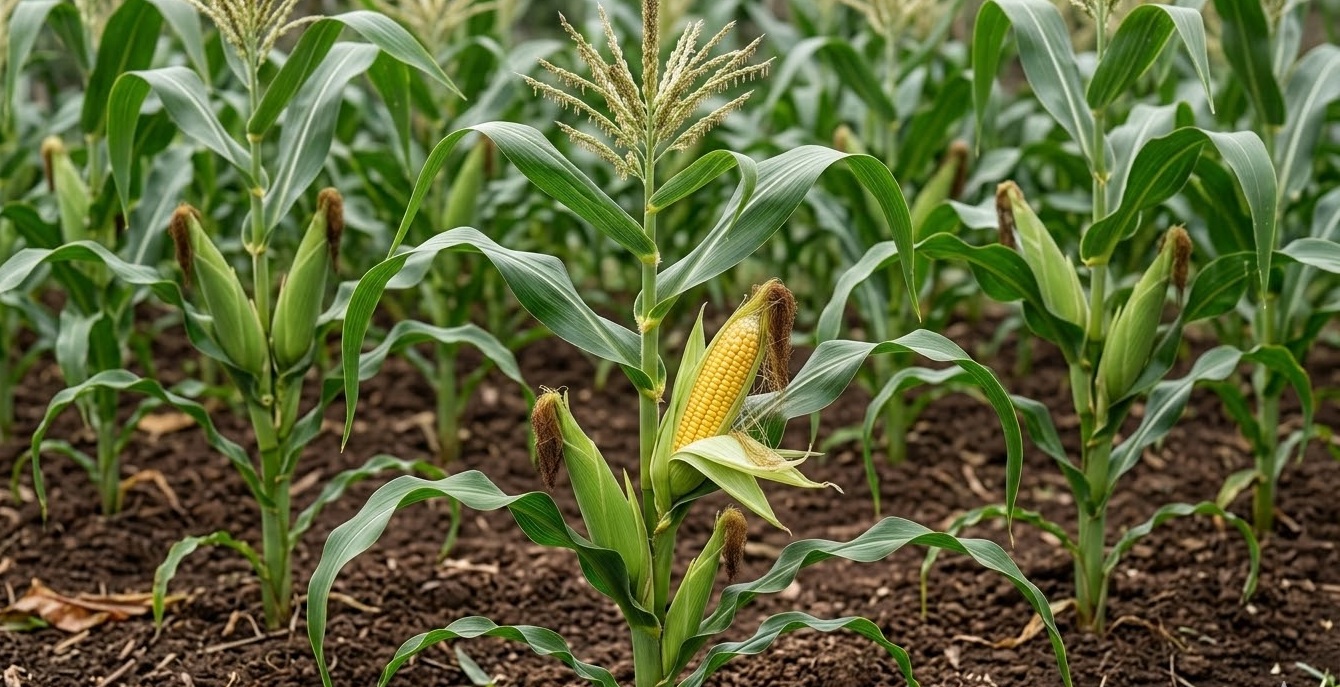

Since sweet corn is a tender annual plant, the concept of “overwintering” focuses on the preservation of seeds and the preparation of the soil for the next generation. You cannot keep the living corn plants through a freeze, as their cellular structure is not built to survive temperatures below zero. A professional approach to the winter months involves a systematic cleanup and a strategic plan to maintain soil fertility. By taking the right steps in the autumn, you ensure that your garden is ready for an early and successful start when the spring returns.
Post-harvest soil management
The first step in preparing your corn patch for winter is the thorough removal of all spent stalks and leaf material. You should not leave these in the field if there was any sign of disease or pest infestation during the summer months. Many pathogens and insects, such as the corn borer, use the old stalks as a safe harbor to survive the winter. By clearing the area completely, you interrupt these lifecycles and significantly reduce the pest pressure for the following year.
Once the surface is clear, you should consider a shallow tilling or a deep broad-forking of the soil. This process helps to aerate the ground and breaks up any compaction that occurred during the busy growing and harvesting season. It also exposes any soil-dwelling larvae to the cold winter temperatures and to hungry birds, further reducing pest populations. Be careful not to over-work the soil if it is very wet, as this can damage the soil structure and lead to drainage issues.
Incorporating organic matter in the late autumn is one of the best things you can do for your future sweet corn crop. You should spread a generous layer of well-composted manure or rich garden compost over the planting area. The winter rains and the activity of earthworms will slowly pull these nutrients down into the soil profile over the coming months. This “top-dressing” approach mimics the natural cycle of forest floors and builds a deep reservoir of fertility for the spring.
Finally, you should test your soil pH during this dormant period to see if any adjustments are needed. Adding lime or sulfur in the fall gives these slow-acting minerals plenty of time to react with the soil before planting begins. Sweet corn is quite sensitive to pH extremes, so having the soil in the neutral range is a significant advantage. This proactive maintenance ensures that the minerals will be fully available to the young corn roots as soon as they start to grow.
More articles on this topic
Seed harvesting and storage
If you are growing heirloom or open-pollinated varieties, you can save your own seeds to plant in the following years. You must allow a few of your best ears to remain on the stalks until the husks are completely dry and the kernels are hard. These seeds must be fully mature and have a very low moisture content to survive long-term storage without rotting. Selecting only the largest and healthiest ears ensures that you are continuously improving the genetics of your garden stock.
Once the ears are harvested, you should shell the kernels by hand and spread them out in a single layer in a dry, well-ventilated area. They need another week or two of air-drying to ensure that all internal moisture has evaporated. You can test the dryness by trying to bite a kernel; if it is hard and does not leave a mark, it is ready for storage. Any remaining moisture can lead to fungal growth that will destroy the viability of the seeds during the winter.
The ideal environment for storing sweet corn seeds is a cool, dark, and very dry location. You should place the dried kernels in airtight containers, such as glass jars or vacuum-sealed bags, to protect them from humidity. Adding a small packet of silica gel can provide an extra layer of protection by absorbing any stray moisture. Label each container clearly with the variety name and the date of harvest to keep your seed collection organized.
Professional seed savers often store their most precious varieties in the refrigerator or even a chest freezer for long-term preservation. If you choose to freeze your seeds, they must be absolutely bone-dry to prevent the expansion of water from rupturing the cell walls. When you are ready to use them in the spring, let the container reach room temperature before opening it. This prevents condensation from forming on the cold seeds, which could trigger premature germination or mold.
More articles on this topic
Cover cropping for soil health
Planting a winter cover crop is the most effective way to protect your sweet corn patch from erosion and nutrient leaching. You should sow seeds like winter rye, crimson clover, or hairy vetch immediately after the corn harvest is finished. These plants will quickly establish a living green carpet that holds the soil in place during heavy winter rains and snowmelt. They also act as a biological “sponge,” soaking up any remaining nitrogen that might otherwise wash away into the groundwater.
Legume cover crops, such as clover or vetch, have the added benefit of “fixing” atmospheric nitrogen into the soil. This means they are essentially creating free fertilizer for your next corn crop while they grow during the winter. When you turn these plants into the soil in the spring, they break down and release a significant boost of nitrogen. It is a sustainable and cost-effective way to maintain high fertility levels in a professional garden setting.
The physical presence of a cover crop also improves the structure and microbial life of your soil. The roots of the cover crop create channels for air and water to move through, preventing the ground from becoming a solid, lifeless block. During the winter, these roots also provide a food source for beneficial fungi and bacteria that are essential for nutrient cycling. A living soil is much more productive than one that is left bare and exposed to the harsh elements of winter.
In the early spring, you will need to “terminate” the cover crop about two to three weeks before you plan to plant your corn. You can do this by mowing it closely or by tilling it into the top few centimeters of the soil. This window of time allows the green material to begin decomposing, ensuring it does not interfere with the germination of your corn seeds. Managing cover crops requires a bit more effort, but the rewards in soil health and crop yield are well worth it.
Winter planning and rotation
The quiet winter months are the perfect time to sit down and plan your garden layout for the upcoming year. You should review your notes from the previous season to see which areas of the patch performed the best and which had issues. Use this information to decide where your next block of sweet corn will be located, keeping crop rotation at the top of your mind. A well-thought-out plan reduces the stress of the busy spring season and ensures you are making the best use of your space.
Crop rotation is a fundamental principle of professional gardening that you must never ignore. You should never plant sweet corn in the same spot where it grew the previous year, or where other grass family plants were located. Moving the corn to a new area that previously hosted legumes or root vegetables will help balance the soil nutrients. This simple change of location is often enough to prevent many of the most common pests and diseases from becoming established.
Winter is also the ideal time to perform maintenance on your gardening tools and irrigation equipment. You should clean and sharpen your hoes, check your drip lines for leaks, and ensure your seed starting equipment is ready to go. Taking care of these tasks now means you won’t be delayed by broken tools when the soil finally reaches the perfect temperature for planting. A professional grower is always one step ahead of the seasons, using the “down-time” to prepare for the “up-time.”
Finally, you can use the winter to research new varieties of sweet corn that you might want to try in your garden. Seed catalogs are a wealth of information regarding disease resistance, maturity dates, and flavor characteristics. You might find a new hybrid that is better suited to your specific climate or an heirloom variety with a unique history. Constantly experimenting with a small portion of your garden keeps the hobby exciting and helps you find the very best plants for your land.