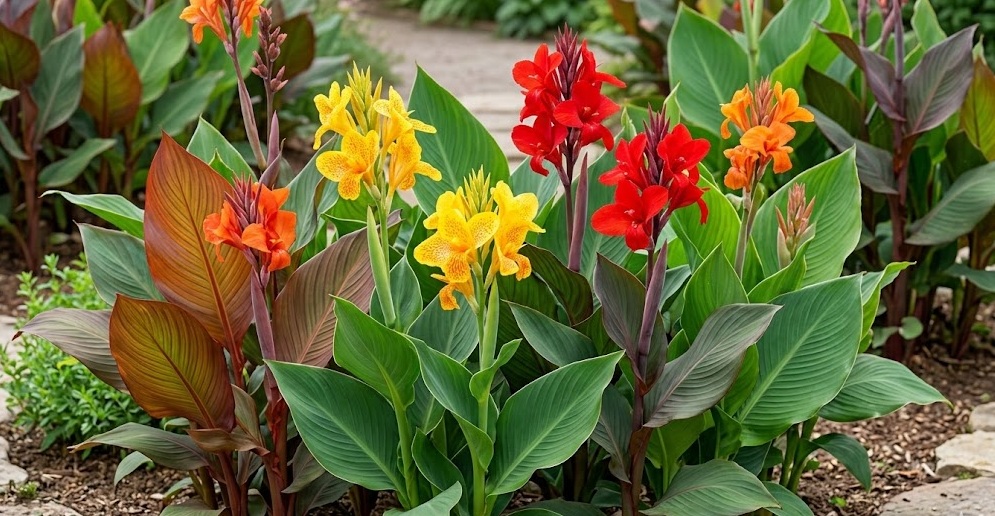

The architectural beauty of these plants can be significantly enhanced through regular and professional maintenance of their foliage and stems. You must understand that pruning is not just about aesthetics; it is a vital tool for managing plant health and encouraging continuous blooming. By removing old or damaged parts, you allow the plant to focus its resources on producing new growth and vibrant flower spikes. This article describes the professional techniques for pruning and cutting back your tropical specimens throughout the year.
Summer pruning is primarily focused on the removal of spent flowers and maintaining the overall appearance of the foliage. You should inspect your plants several times a week during the peak of the season to identify parts that need attention. Removing dead material promptly prevents the buildup of pests and reduces the risk of fungal infections in the garden. This constant grooming keeps the entire bed looking fresh and well-maintained even during the hottest summer weeks.
The tools you use for pruning should always be sharp, clean, and well-maintained to ensure the health of the plants. You should use bypass pruners or a sharp garden knife to make clean, precise cuts that heal quickly and effectively. Dull tools can crush the succulent stems, creating ragged wounds that are more susceptible to disease and decay. Sterilizing your equipment between plants is a professional standard that protects your entire collection from cross-contamination.
When you are cutting back stems or leaves, the location of the cut is just as important as the tool you use. You should always cut back to a healthy node or to the base of the plant, depending on what you are trying to achieve. Leaving long, dead “stubs” is unsightly and provides a potential entry point for pathogens into the main body of the plant. A clean and disciplined approach to every cut reflects a professional commitment to high-quality horticultural practices.
Deadheading and flower maintenance
Deadheading is the practice of removing faded flowers before they have a chance to develop into seed pods or capsules. You should cut the individual flower stalks back to the next set of leaves or the next developing bud on the spike. This simple action signals the plant to continue producing more flowers rather than putting its energy into reproduction. In many varieties, regular deadheading can extend the flowering season by several weeks or even months.
More articles on this topic
Once an entire flower spike has finished its display, you should remove the whole stalk down to where it emerges from the foliage. You should be careful not to damage any new shoots or flower buds that may be developing nearby at the base. This keeps the plant’s profile tidy and allows the vibrant green or colorful leaves to take center stage. Removing old stalks also improves air circulation within the clump, which is always beneficial for overall plant health.
If you are growing these plants for their seeds, you will obviously need to leave some flower spikes to mature naturally. You should choose the strongest and most beautiful specimens for this purpose to ensure the best possible genetic outcomes for the next generation. Be aware that allowing seeds to form will naturally slow down the production of new flowers on that specific plant. This is a trade-off that professional gardeners carefully manage based on their specific goals for the season.
During the height of summer, some varieties may produce so many flower spikes that they begin to look a bit crowded. You should feel free to thin out some of the stalks to improve the overall balance and appearance of the specimen. This also helps ensure that each remaining flower spike has enough space to open fully and show off its brilliant colors. Professional thinning is an art that requires a good eye for the natural form and structure of the plant.
Foliage grooming and health
The large leaves are the most distinctive feature of these plants, and keeping them in top condition is a major professional priority. You should remove any leaves that have become torn by wind, damaged by hail, or scorched by the intense summer sun. Cutting these leaves off at the base of the petiole keeps the plant looking vigorous and prevents them from draining resources. Even a single damaged leaf can detract from the overall impact of a large and beautiful garden bed.
More articles on this topic
As the season progresses, the oldest leaves at the bottom of the stem will naturally begin to turn yellow and die back. You should remove these lower leaves as soon as they lose their aesthetic value to keep the base of the plant clean. This practice also makes it much easier to see the soil surface and monitor moisture levels or check for any pests. Improving the light penetration to the lower parts of the plant can also stimulate the growth of new shoots from the rhizome.
If a plant becomes too large or starts to outgrow its assigned space in your garden layout, selective pruning can help. You should remove entire stems from the outer edges of the clump rather than simply cutting the tops off the existing leaves. This maintains the natural look of the plant while effectively managing its size and footprint in the landscape. Professional gardeners often use this technique to maintain the desired balance between different species in a mixed bed.
Cleaning the leaves with a damp cloth can be a useful technique for smaller collections or plants grown in containers. You should remove any dust or water spots to allow the natural colors and patterns of the foliage to shine through. This also gives you an excellent opportunity to inspect the plant very closely for any early signs of mites or other pests. While it may seem like a small detail, this level of care is what defines a professional and dedicated horticulturist.
Final cut back for winter dormancy
The most dramatic pruning of the year occurs when it is time to prepare the plants for their winter rest. You should wait until the first frost has completely blackened the foliage before you begin the final cut back process. This ensures that the plant has moved as much energy as possible into the rhizomes for the coming months of dormancy. Cutting back too early can deprive the rhizome of valuable nutrients and weaken the plant for the next year.
Using heavy-duty shears or a small garden saw, you should cut all the stems down to within ten centimeters of the ground. You should dispose of all the removed foliage and stems, especially if there were any signs of disease during the summer. Keeping this material away from your compost pile is often a wise decision to prevent the survival of any pathogens or pests. A clean garden bed is much less likely to harbor problems that could emerge when the weather warms up again.
If you live in a climate where the rhizomes can stay in the ground, you should cover the remaining stubs with a thick layer of mulch. You should use materials like straw, bark, or dry leaves to provide a protective blanket against the freezing winter air. This layer also helps keep the soil moisture levels stable and protects the delicate growing points from extreme temperature fluctuations. The remaining stem stubs will help you identify the location of the plants in the spring.
Successful pruning throughout the year is a conversation between the gardener and the plant that results in a beautiful display. You should observe how different varieties respond to your techniques and adjust your approach accordingly in the future. This hands-on experience is the most valuable tool for developing a professional level of skill in managing these tropical giants. Every cut you make is an opportunity to improve the health, vigor, and beauty of your garden for years to come.