
Understanding the light requirements of the red hot poker is fundamental to achieving the spectacular floral displays for which this plant is famous. Light acts as the primary energy source that fuels the growth of its dense foliage and the development of its iconic, colorful spikes. As an expert, you must be able to evaluate the light quality in your garden to find the perfect spot for this sun-loving perennial. Providing the right amount of solar radiation is not just about survival; it is the key to unlocking the plant’s full ornamental potential.
The vital importance of full sun exposure
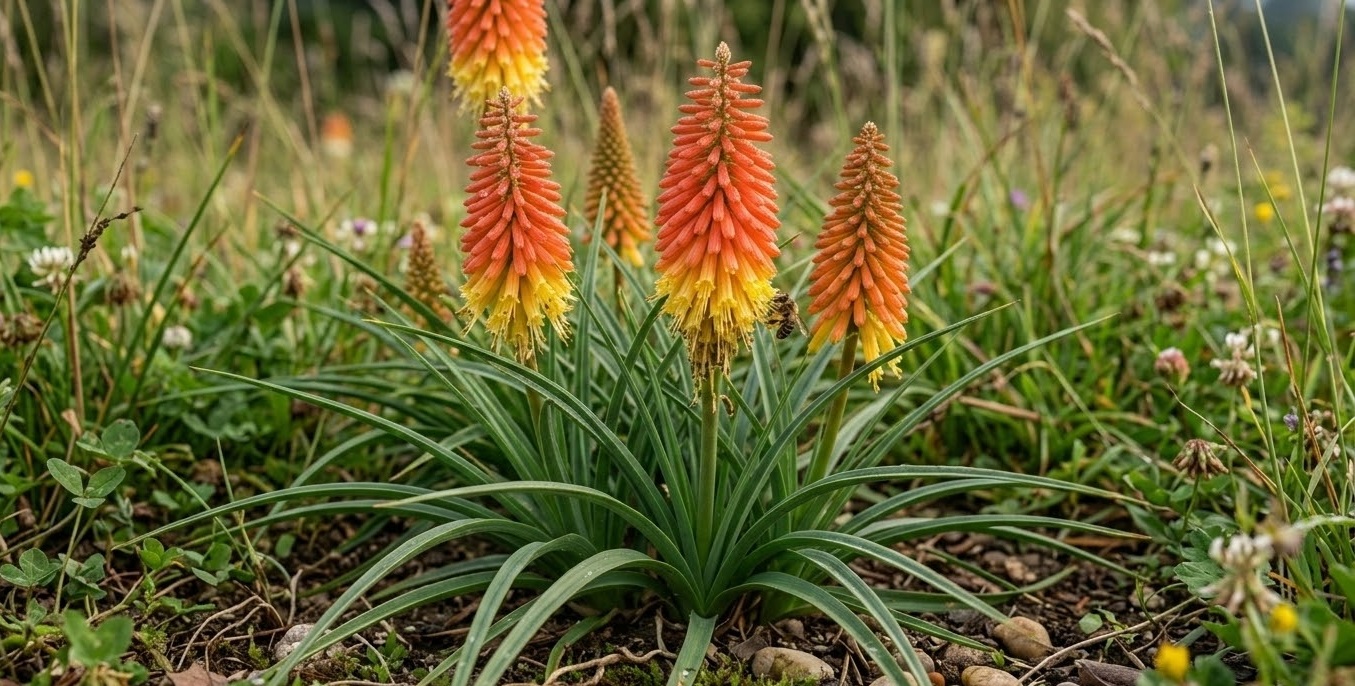
The red hot poker is a true sun-worshipper and performs best when it receives at least six to eight hours of direct sunlight every day. In its native habitat, it grows in open areas where it is exposed to the full intensity of the sun from morning until evening. This high level of light is necessary for the plant to produce the sugars required to build its massive flower stalks. If the plant is grown in a location that is too dark, it will become leggy and the flowers will be sparse or non-existent.
Direct sunlight also plays a crucial role in the development of the vibrant pigments that give the flowers their fiery red and orange hues. Without sufficient UV radiation, the colors will appear washed out or dull, detracting from the plant’s visual impact in the landscape. You will find that plants in the sunniest parts of your garden consistently produce the most intense and long-lasting color gradients. As a professional, you should always prioritize the sunniest available spots for this specific species when planning a border.
The heat that accompanies full sun exposure also helps to keep the foliage dry and reduces the incidence of fungal diseases. Air circulation is often better in open, sunny areas, which further contributes to the overall health and vigor of the plant. If you notice that your red hot poker is struggling with leaf spot or other moisture-related issues, it may be a sign that it is not getting enough sun to dry out properly. Sunlight is the best natural disinfectant and growth stimulant you can provide for your garden.
Even the morning sun is particularly beneficial, as it quickly evaporates the dew that collects on the leaves overnight. This early drying period is vital for preventing the start of many common garden pathogens that thrive in damp conditions. When you are assessing a potential planting site, try to observe it at different times of the day to ensure it isn’t blocked by shadows from buildings or trees as the sun moves. A truly professional planting plan takes into account the shifting patterns of light and shadow throughout the entire growing season.
More articles on this topic
Effects of shade on flowering and structural integrity
When a red hot poker is forced to grow in partial or full shade, its entire morphology begins to change in undesirable ways. The leaves will often become longer and thinner as the plant attempts to reach for whatever light is available in its environment. This results in a floppy, disorganized appearance that lacks the architectural strength for which the species is known. You will find that shaded plants often require staking or support, which shouldn’t be necessary for a healthy, sun-grown specimen.
Flowering is the first thing to suffer when light levels drop below the plant’s preferred threshold for growth. You might see a few stunted stalks emerge, but they will likely be weak and may fall over under their own weight. In many cases, a plant in too much shade will stop blooming entirely, focusing its limited energy on maintaining its existing foliage. If your red hot poker hasn’t flowered for a season or two, the most likely culprit is an increase in shade from nearby growing trees or shrubs.
Shaded conditions also create a cooler, more humid microclimate around the base of the plant, which is an invitation for pests and diseases. Slugs and snails are much more active in these darker areas and can quickly decimate the foliage of a weakened plant. Fungal issues like root rot are also far more common in shaded spots where the soil stays damp for extended periods after rain. As an expert, you should recognize that shade is not just a lack of light; it is a fundamental shift in the plant’s environment that leads to stress.
If you find that a once-sunny spot has become shaded over the years, you may need to consider moving the plant to a new location. Red hot pokers handle transplanting relatively well if done in the spring, and the move can often revitalize a struggling plant within a single season. Pruning back overhanging branches of nearby trees can also be an effective way to restore the light levels needed for the plant to thrive. Maintaining the right light environment is an ongoing task that requires regular observation and intervention.
More articles on this topic
Managing light levels in different geographical regions
The intensity of sunlight varies significantly depending on your latitude and the local climate of your gardening region. In northern areas with cooler summers, providing the absolute maximum amount of sun is essential because the light is naturally less intense. In these regions, you should avoid any location that has even a few hours of shade during the middle of the day. Every bit of solar energy is precious for ensuring that the plant has enough heat to trigger its blooming cycle.
Conversely, in very hot, southern climates, a small amount of afternoon shade can actually be beneficial for the red hot poker. While it still needs plenty of light, the extreme heat of the mid-afternoon sun can sometimes scorch the foliage or cause the flowers to fade prematurely. A spot that receives full morning and midday sun but is protected from the harshest late-afternoon rays can be ideal in these intense environments. This professional nuance allows you to grow the plant successfully even in climates that might otherwise be too stressful.
Reflected light from light-colored walls or paved surfaces can also increase the total amount of energy the plant receives in a day. This can be a useful trick for gardeners in cooler or cloudier regions who want to give their red hot pokers an extra boost of heat and light. However, you should be careful not to create a “baking” effect in already hot climates, which could lead to severe water stress. Understanding how light interacts with the hardscaping of your garden is a key skill for any advanced landscape designer.
Finally, consider how the angle of the sun changes from early spring through late autumn and how this affects your garden beds. A spot that is in full sun in July might be in deep shade by September when the sun is lower in the sky and the shadows are longer. Since the red hot poker blooms in mid to late summer, ensuring it has peak light during these months is the most important factor. By carefully matching the plant’s needs with the unique light profile of your site, you can ensure a spectacular and reliable display every year.