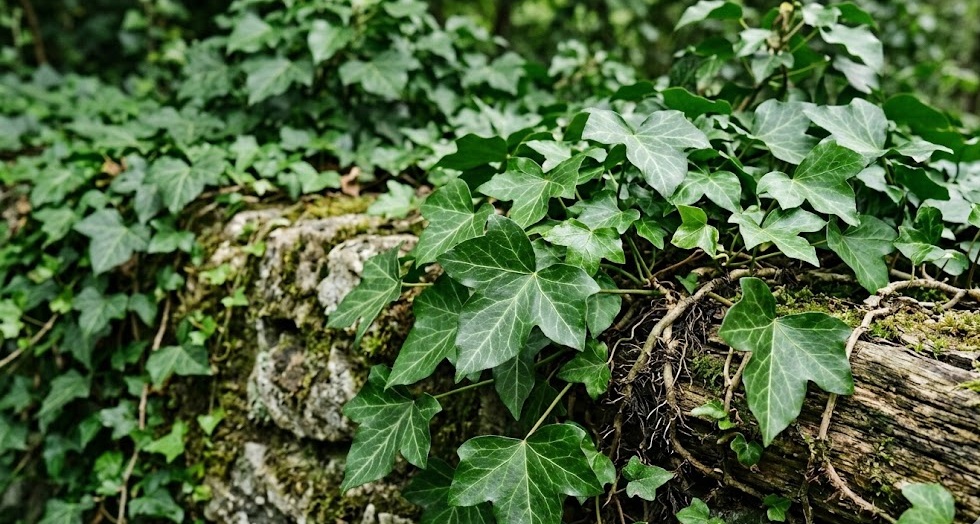

Proper hydration and nutrition are the twin pillars of maintaining a magnificent and healthy ivy display in any garden setting. You must learn to read the subtle signs the plant gives when it is thirsty or lacking essential minerals for its growth. Overwatering can be just as damaging as prolonged drought, so finding the right balance is a skill every gardener must master. A well-fed and correctly watered ivy plant will reward you with vibrant green leaves and a robust growth rate.
Mastering the art of watering
The frequency of watering your ivy depends heavily on the specific environmental conditions and the type of container it occupies. You should always check the moisture level of the soil by inserting your finger about two centimeters below the surface. If the soil feels dry at that depth, it is usually the right time to provide a thorough soaking for the plant. Professional advice suggests watering deeply and less frequently rather than providing frequent shallow sips of water.
Water quality is an important factor that can affect the long-term health and appearance of your ivy’s foliage. You should ideally use rainwater or filtered water to avoid the buildup of salts and minerals commonly found in tap water. If you must use tap water, letting it sit out for twenty-four hours allows the chlorine to dissipate before you apply it to the plant. This simple step can prevent the leaf tips from turning brown and keep the soil chemistry in a healthy balance.
The time of day you choose to water your ivy can impact the efficiency of the hydration process and the health of the leaves. You should aim to water in the early morning to allow any moisture on the foliage to dry before the sun becomes too intense. Avoid watering late in the evening, as wet leaves during the night can encourage the development of fungal diseases. A morning routine ensures the plant has the hydration it needs to face the heat and light of the coming day.
Understanding the difference between indoor and outdoor watering needs is essential for any gardener managing ivy in multiple locations. Outdoor plants are subject to wind and sun, which can dry out the soil much faster than the relatively stable indoor environment. Conversely, indoor plants in plastic pots will retain moisture much longer than those in porous terracotta containers. You must adapt your watering schedule to these specific variables to ensure every ivy plant receives the correct amount of care.
More articles on this topic
Optimizing nutrient delivery
Fertilizing ivy is necessary to replace the nutrients that the plant gradually depletes from the soil during its active growth phases. You should use a balanced, water-soluble fertilizer that contains equal parts nitrogen, phosphorus, and potassium for the best results. Nitrogen is particularly important for ivy as it promotes the lush, green leaf growth that makes the plant so attractive. Always follow the manufacturer’s instructions to avoid over-fertilizing, which can cause more harm than good to the roots.
The timing of your fertilizer applications should align with the natural growing cycles of the ivy throughout the year. You should begin feeding the plant in early spring as the new growth starts to emerge from the dormant stems. Continue providing nutrients every four to six weeks during the peak of the summer growing season to support its vigorous development. Gradually reduce and then stop fertilization in late autumn to allow the plant to prepare for its natural winter rest period.
Organic fertilizers offer a slow-release alternative that can improve the overall soil health while feeding your ivy plants. You can use products like fish emulsion, seaweed extract, or well-composted manure to provide a steady supply of essential minerals. These natural options also support the beneficial microorganisms in the soil that help the plant absorb nutrients more efficiently. Professional organic gardeners often prefer these methods for creating a more sustainable and resilient garden ecosystem.
Foliar feeding is a specialized technique where you apply a diluted fertilizer solution directly to the leaves of the ivy. You should use this method as a supplement to regular soil fertilization, especially if the plant shows signs of immediate nutrient deficiency. The leaves can absorb nutrients very quickly, providing a rapid boost to the plant’s health and visual appearance. This approach is best done in the early morning when the stomata on the leaves are most receptive to the solution.
More articles on this topic
Recognizing watering issues
Overwatering is one of the most common mistakes made by enthusiastic gardeners and can quickly lead to the death of the ivy. You might notice the leaves turning yellow and becoming soft or mushy to the touch when the soil is too wet. If you suspect overwatering, you should immediately stop the irrigation and allow the soil to dry out completely before the next session. Checking the drainage holes to ensure they are not blocked is a vital step in preventing future waterlogged conditions.
Underwatering presents its own set of symptoms that you can easily identify if you monitor your ivy plants on a regular basis. The leaves will often become brittle, lose their shine, and may eventually turn brown and fall off the stems. You should act quickly to provide a deep watering and perhaps increase the local humidity to help the plant recover from the stress. Consistent neglect in watering will lead to a stunted growth habit and a sparse, unattractive appearance for the foliage.
Soil compaction can interfere with the effective delivery of water to the root system, even if you are watering regularly. You should occasionally aerate the soil by gently poking holes in the surface with a small wooden stick or a specialized garden tool. This allows the water to penetrate deeper into the earth and ensures that the roots are not suffocated by a lack of oxygen. Improving the soil structure is a long-term solution that makes your watering efforts much more effective for the plant.
Environmental stress from extreme heat or wind can drastically increase the plant’s water requirements over a very short period. You should be prepared to adjust your watering schedule during heatwaves to prevent the ivy from wilting under the intense sun. Providing a temporary windbreak for outdoor plants can also reduce the rate of moisture loss from the leaf surfaces. Being proactive and responsive to the weather will keep your ivy healthy even during the most challenging climatic conditions.
Specialized fertilization strategies
Tailoring your fertilization approach to the specific variety of ivy you are growing can lead to even better results in your garden. You should be aware that variegated varieties often need slightly less nitrogen to maintain their beautiful white or yellow patterns. If these plants receive too much nitrogen, they may produce only solid green leaves to capitalize on the excess nutrients. Understanding the unique needs of each cultivar allows you to fine-tune your care for maximum aesthetic impact.
Micronutrient deficiencies can sometimes occur even if you are using a standard balanced fertilizer on a regular basis. You should look for subtle signs like interveinal chlorosis, where the leaf veins remain green while the rest of the leaf turns yellow. Adding a chelated iron supplement or a specialized micronutrient mix can quickly resolve these issues and restore the plant’s health. Professional growers often perform soil tests to determine exactly which elements are missing from the growing medium.
Slow-release fertilizer granules are a convenient option for busy gardeners who want to ensure a consistent supply of nutrients for their ivy. You can mix these granules into the soil during planting or sprinkle them on the surface of established containers. The nutrients are gradually released over several months, reducing the risk of fertilizer burn and saving you time on maintenance tasks. This “set it and forget it” approach is highly effective for maintaining healthy ivy with minimal effort.
The relationship between light levels and fertilization is a critical concept that you must understand for successful ivy care. Plants in high-light environments can process more nutrients and will grow faster, requiring more frequent applications of fertilizer. Conversely, ivy in deep shade should be fertilized less often to prevent the buildup of unused salts in the soil. Matching your nutrient delivery to the plant’s metabolic rate ensures a healthy balance and avoids potential toxicity issues.
Maintaining the water-nutrient balance
Creating a harmonious relationship between your watering and fertilizing routines is the secret to a thriving ivy collection. You should always ensure the soil is already moist before applying any liquid fertilizer to prevent the concentrated salts from burning the delicate roots. If the plant is severely stressed from drought, you must rehydrate it thoroughly before considering any type of nutrient application. This cautious approach protects the long-term health of the root system and ensures the best possible results.
Flushing the soil with clear water periodically is a professional technique used to remove any accumulated fertilizer salts. You should pour enough water through the container so that it runs freely out of the drainage holes for several minutes. This “cleaning” of the soil prevents the buildup of toxic levels of minerals that can damage the plant over time. Performing this task once every few months is particularly important for indoor ivy plants that do not benefit from natural rainfall.
Seasonal transitions are the perfect time to reassess your entire hydration and nutrition strategy for the coming months. You should take note of how the plant responded to your previous care and make adjustments based on its current condition. If the growth was too leggy, you might need to reduce the nitrogen; if the leaves were small, perhaps more nutrients are required. This reflective practice turns a regular gardener into a true expert in the field of ivy cultivation.
The ultimate goal of your watering and fertilizing efforts is to create a self-sustaining and resilient plant that can withstand minor environmental fluctuations. You should strive to build a healthy soil environment that supports the plant’s natural ability to find what it needs to grow. By providing the right foundation and consistent care, you allow the ivy to reach its full potential as a stunning garden feature. Your dedication to these fundamental tasks will be visible in every lush, green vine that adorns your home or garden.