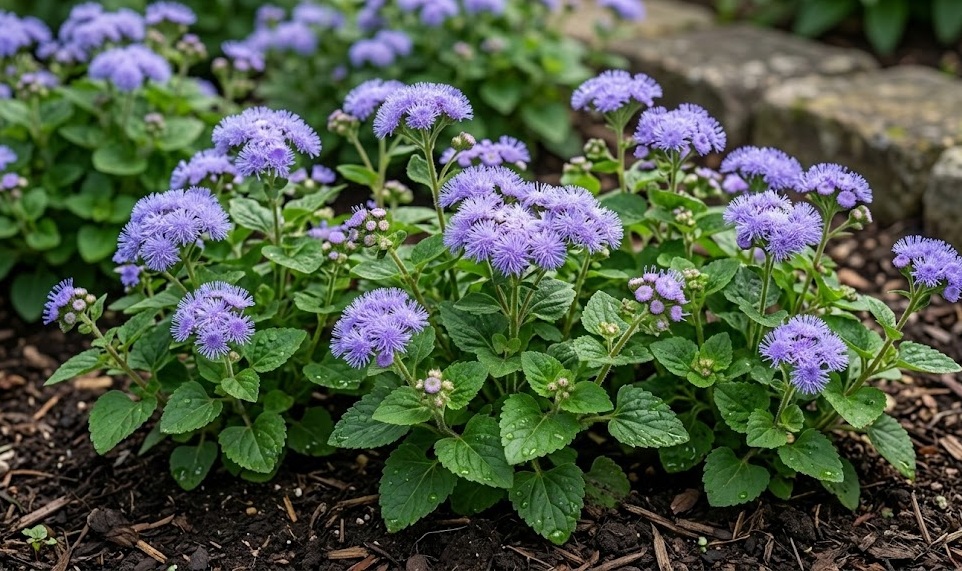

Understanding the light requirements of your flossflower is perhaps the most critical factor in achieving the dense, colorful display that this species is famous for. Light is the primary source of energy for all plants, and for these fluffy bloomers, the intensity and duration of sunlight directly correlate with their flowering potential. If the light levels are insufficient, you will find yourself with leggy stems and very few of the signature blue or purple flower heads. By positioning your plants correctly, you provide them with the fuel they need to transform water and nutrients into a spectacular garden show.
In a professional landscape setting, flossflowers are almost always placed in full sun to ensure they receive at least six to eight hours of direct light daily. This high level of exposure encourages a compact and sturdy growth habit, preventing the stems from becoming weak and prone to flopping over. Full sun also promotes the most intense coloration in the flowers, making the blues appear more vibrant and the purples deeper. If you are looking for that classic, saturated look in your flower beds, a sunny location is absolutely non-negotiable.
While they love the sun, there are certain geographic regions where the afternoon heat can be a bit too much for the delicate petals to handle. In very hot climates, providing some dappled shade during the hottest part of the day can actually help the blooms last longer and maintain their freshness. You should look for a spot that gets plenty of morning sun but is protected from the scorching rays of the mid-afternoon. This balance allows the plant to get all the energy it needs without the risk of heat stress or petal burn.
Observing how the light moves across your garden throughout the day will help you identify the perfect microclimates for your floral installations. Keep in mind that the angle of the sun changes with the seasons, so a spot that is sunny in May might be in deep shade by August. You can use a light meter or simply take photos at different times of the day to map out the light patterns in your yard. This professional approach to site analysis ensures that your flossflowers are always in the best possible position to thrive.
Managing partial shade conditions
Although flossflowers are sun-lovers, they can tolerate partial shade, which is defined as roughly four to six hours of direct sunlight. In these conditions, you may notice that the plants grow a bit taller as they “stretch” toward the available light source. While the flowering might not be quite as dense as in full sun, you can still achieve a very beautiful and respectable display. The key is to ensure that the light they do receive is of high quality and not filtered through dense tree canopies.
More articles on this topic
If you are gardening in a partially shaded area, you should pay extra attention to your spacing to maximize the air circulation between the plants. Shade naturally holds more moisture, and combined with less sun, this can increase the risk of fungal diseases like powdery mildew. By giving each plant more room, you help the foliage dry out more quickly after rain or irrigation, keeping the health of the plant intact. This adjustment in maintenance can compensate for the less-than-ideal light levels and still yield a successful garden.
You might also consider choosing specific varieties of flossflower that are known to be more adaptable to lower light conditions. Some of the smaller, more compact cultivars tend to maintain their shape better in partial shade than the taller, traditional types. Consulting with a local nursery or reading professional plant descriptions can help you select the best genetics for your specific garden site. Using the right plant for the right place is a core principle of successful and professional horticulture.
To help your shaded plants reach their full potential, you should be even more diligent with your deadheading and fertilization routines. Because the plant has less energy from the sun, every bit of resource management becomes more important for sustaining flower production. Providing a balanced fertilizer can help support the growth that the light might not be fully fueling on its own. With a little extra care, even a partially shaded garden bed can be transformed by the soft and soothing colors of the flossflower.
Effects of low light and corrective measures
Growing flossflowers in low light or deep shade is generally not recommended, as it leads to several physiological problems that compromise the plant’s beauty. In these environments, the plants will become extremely leggy, with long, thin stems and very few leaves near the base. The flowers, if they appear at all, will be small, pale, and will often fail to open completely before turning brown. This “etiolation” is a clear sign that the plant is starving for the energy that only proper sunlight can provide.
More articles on this topic
If you find that your plants are struggling in a low-light area, the most professional solution is to move them to a sunnier location as soon as possible. You can carefully dig them up and transplant them, or if they are in containers, simply relocate the pots to a brighter spot on your patio or deck. You will likely see a positive response within a week or two as the plant begins to produce new, sturdier growth from the center. Moving the plant is a much better option than trying to force it to grow in an environment that doesn’t meet its biological needs.
In some cases, you can improve the light levels in a shaded area by pruning back overhanging tree branches or thinning out dense shrubs nearby. This “opening up” of the canopy allows more light to reach the ground level, benefiting all the plants in the flower bed. It is a common technique used by professional gardeners to rejuvenate old landscapes and create new opportunities for sun-loving species. Small changes in the surrounding environment can have a dramatic impact on the health and vigor of your flossflowers.
If you absolutely cannot move the plants or increase the sunlight, you may have to accept a more naturalistic and less formal look for your display. You can use stakes or small cages to support the leggy stems and prevent them from falling over into the mud. While it may not be the prize-winning display you initially envisioned, these “shade-grown” flowers can still provide a soft touch of color in an otherwise dark corner. However, for future seasons, always remember that for the flossflower, light is the most important ingredient for success.