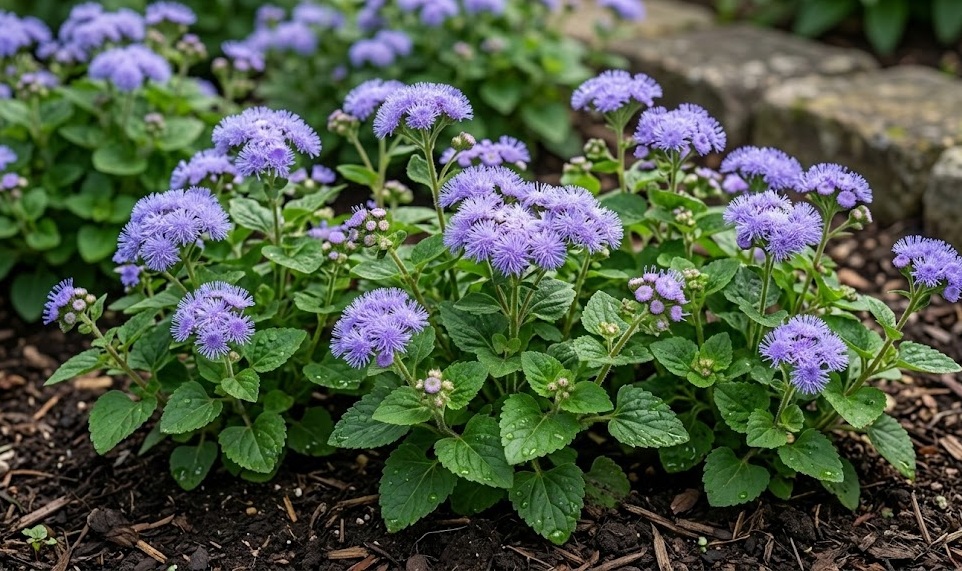

As the growing season draws to a close and the first hints of autumn frost appear on the horizon, you must decide how to handle your flossflowers. While these plants are typically grown as annuals in many climates, they are actually tender perennials that can be preserved with the right techniques. Overwintering allows you to save your favorite varieties and enjoy larger, more established plants when the warm weather returns. This process requires careful planning and a bit of indoor space, but the reward of seeing your plants thrive for another year is well worth the effort.
The transition from the outdoor garden to an indoor environment should begin well before the first hard freeze is expected. You should monitor the overnight temperatures closely; once they consistently drop below ten degrees Celsius, it is time to start moving your plants. For specimens growing in the ground, you will need to carefully dig them up, making sure to preserve as much of the root system as possible. Place them into clean pots filled with a fresh, high-quality indoor potting mix that offers excellent drainage.
Before bringing any plant inside your home, a thorough inspection and cleaning are absolutely necessary to prevent the introduction of garden pests. You should wash the foliage gently with a mild soap solution or a spray of water to remove any lingering insects or eggs. Check the soil for hitchhikers like slugs or ants that might have made a home in the root ball during the summer. This proactive step ensures that your indoor garden remains healthy and doesn’t become a source of frustration during the winter months.
Once your plants are settled in their new pots, you should prune them back by about a third to reduce the amount of energy they need to maintain. This helps the plant focus on establishing its roots in the new container rather than trying to support a large amount of foliage and flowers. Remove any remaining blossom heads or seed pods, as these will only drain the plant’s resources during the transition period. A more compact plant is also much easier to manage and takes up less space in your indoor growing area.
Creating the ideal indoor environment
The most significant challenge of overwintering flossflowers is providing enough light to keep them healthy during the short, dark days of winter. You should place your plants in the brightest window available, ideally one that faces south or west to maximize sun exposure. If your home doesn’t get enough natural light, you may need to invest in supplemental grow lights to prevent the plants from becoming weak and stretched out. Aim for at least twelve to fourteen hours of light per day to maintain a steady level of photosynthesis.
More articles on this topic
Temperature control is another critical factor in successful overwintering, as these plants prefer a cool but frost-free environment. A room that stays between fifteen and eighteen degrees Celsius is perfect for keeping the plants in a state of slow, healthy growth. Avoid placing them near heat vents, radiators, or drafty doors, as these can cause rapid fluctuations in temperature and humidity that stress the plant. Consistency is the key to keeping your flossflowers happy until they can return to the outdoor garden.
Humidity levels inside most homes drop significantly during the winter months due to the use of heating systems. Since flossflowers appreciate a certain amount of moisture in the air, you may need to provide some extra humidity to keep their leaves from turning brown. You can place the pots on a tray filled with pebbles and water, making sure the bottom of the pot stays above the water level. Alternatively, a small humidifier placed nearby can create a much more comfortable microclimate for your indoor garden.
Watering your plants during the winter requires a different approach than the one you used during the height of the summer. Because the plants are growing much more slowly, they need significantly less water and should be allowed to dry out slightly between waterings. Always check the moisture level of the soil before adding more water to avoid the risk of root rot in the cool indoor conditions. Over-watering is the most common cause of failure when trying to overwinter tender plants, so proceed with caution.
Maintaining health during dormancy
While your flossflowers may not enter a true state of deep dormancy, their growth will naturally slow down as they adapt to the indoor conditions. During this time, you should refrain from using any fertilizers, as the plants do not need the extra nutrients and the salts can build up in the soil. Wait until you see signs of active new growth in the late winter or early spring before you begin a light feeding schedule. This period of rest is a natural part of the plant’s life cycle and helps it prepare for the upcoming growing season.
More articles on this topic
You should continue to monitor your plants for any signs of indoor pests like fungus gnats or spider mites, which can thrive in the still air of a home. If you notice tiny flies hovering around the soil, it usually means the surface is staying too wet, providing a breeding ground for gnats. Letting the soil dry out more thoroughly between waterings is often the simplest and most effective way to eliminate them. For mites, a regular misting of the leaves can help keep their population low and the foliage looking fresh.
Regularly removing any yellowing or dead leaves will help keep your plants looking tidy and reduce the risk of fungal problems. Use clean, sharp scissors to make your cuts and avoid tearing the delicate stems of the plant. This simple maintenance task also allows you to get a closer look at the health of your plants and spot any potential issues early. A clean plant is a healthy plant, and a little bit of attention goes a long way in ensuring survival through the winter.
If your plants start to look a bit leggy or sparse toward the end of the winter, don’t be discouraged by their appearance. This is a common response to lower light levels and is easily corrected once the plants are moved back outside. You can give them a light trim in late February to encourage new, bushier growth as the days begin to lengthen. This prepares the plant for the final transition and ensures it will be full and vibrant when it returns to the garden beds.
Preparing for the return to the garden
As spring approaches and the weather begins to warm, you can start preparing your overwintered flossflowers for their return to the outdoor world. This process is essentially the reverse of the hardening-off procedure you performed when the plants were young seedlings. Start by moving them to a sheltered spot outdoors for a few hours each day when temperatures are above fifteen degrees Celsius. Gradually increase their exposure to direct sunlight and wind over a period of two weeks to prevent transplant shock.
Once the danger of frost has passed and the soil has warmed up, you can move your plants back into their permanent garden locations. You might find that the plants are now much larger than they were the previous year, so you may need to adjust your spacing accordingly. Dig a generous hole and incorporate some fresh compost to provide a boost of nutrients for the new growing season. Water the plants thoroughly after transplanting to help them settle into their outdoor home once again.
After the move, you can perform a more significant pruning to shape the plants and encourage a fresh flush of flowers. Cut back any old, woody stems to make room for the new, green growth that will emerge from the base. This rejuvenation process ensures that your overwintered plants will look just as fresh and vibrant as newly purchased seedlings. With their established root systems, these plants will often start blooming earlier and more prolifically than those started from seed.
Reflecting on your overwintering experience will help you refine your techniques for the following year and improve your overall success rate. Take note of which varieties handled the indoor conditions the best and which locations in your home provided the most successful environment. Over time, you will develop a personalized system for preserving your favorite garden treasures throughout the winter months. This cycle of care and renewal is one of the most fulfilling aspects of being a dedicated and professional gardener.