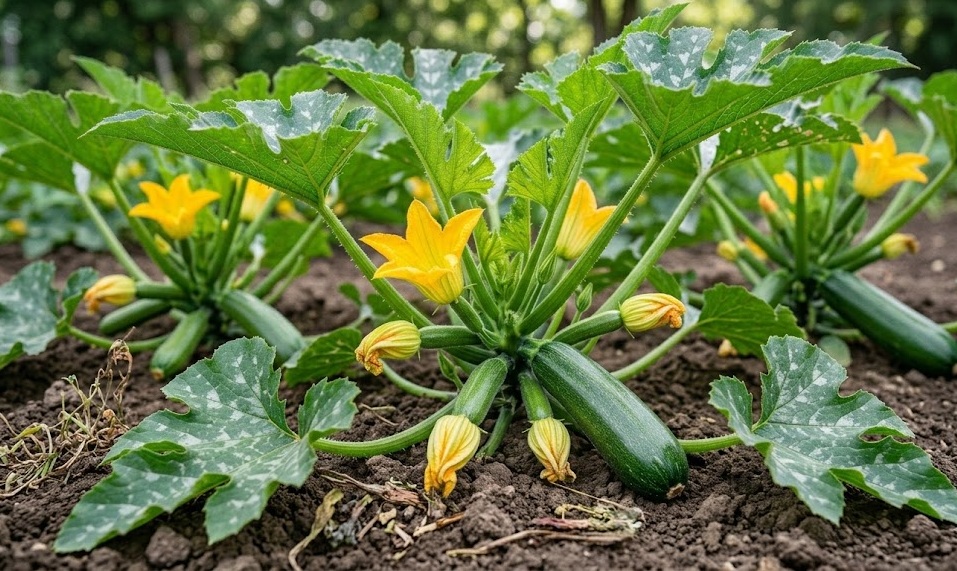

Strategic pruning is a professional horticultural practice that can significantly enhance the health, airflow, and productivity of your zucchini plants. You must understand how to selectively remove foliage to prevent disease and direct the plant’s energy toward the development of high-quality fruits. Professional pruning is not about making the plant smaller, but about improving its internal architecture and making the garden more manageable. By mastering these cutting techniques, you can maintain a cleaner garden environment and ensure a longer and more successful harvest season.
The primary reason to prune a zucchini plant is to improve the circulation of air within the dense canopy of large, overlapping leaves. You should focus on removing the older, lower leaves that are often the first to show signs of yellowing or fungal infections like powdery mildew. When the air can move freely through the base of the plant, moisture evaporates more quickly, making it much harder for disease spores to take hold. A professional gardener uses pruning as a preventative health measure that reduces the need for chemical interventions throughout the summer.
Pruning also makes it much easier to see and access the developing fruits, ensuring that you can harvest them at their peak size and tenderness. You should remove any leaves that are obstructing your view of the main stem or that are laying directly on the ground where they can rot. This professional tidiness also helps you spot pest infestations, such as squash bug eggs or cucumber beetles, much earlier in their life cycle. A well-pruned zucchini patch is a model of efficiency and accessibility that makes your daily garden chores much more enjoyable.
Directing the plant’s energy is another professional goal of pruning, allowing you to prioritize the growth of new flowers and fruits over the maintenance of old foliage. You should remove any dead or damaged leaves as soon as you see them to prevent the plant from wasting resources on tissues that are no longer productive. By thinning out the excess green growth, you encourage the plant to focus its metabolic power on the parts that matter most for your harvest. Professional pruning is a purposeful and targeted activity that respects the natural growth patterns of the zucchini while optimizing its output.
Strategic leaf removal techniques
When you decide to prune your zucchini, you should always use a very sharp and clean pair of garden shears or a professional grafting knife. You must make clean cuts as close to the main stem as possible without damaging the central growing point of the plant. Avoid tearing or pulling the leaves off by hand, as this can create jagged wounds that are much more susceptible to infection by bacteria or fungi. A professional cut heals quickly and allows the plant to seal off the opening before any pathogens can enter the vascular system.
More articles on this topic
The best time to perform your pruning is in the early morning after the dew has dried but before the heat of the day has reached its peak. You should aim for a day with clear skies and low humidity, which provides the best conditions for the wounds to dry and callus over rapidly. Avoid pruning during periods of rain or high humidity, as the open cuts can easily become entry points for water-borne diseases during these times. Following a professional schedule for your maintenance tasks ensures that you are working with the plant’s natural recovery processes.
A professional rule of thumb is to never remove more than one-third of the plant’s total foliage at any one time to avoid causing excessive stress. You should prioritize the removal of the oldest leaves at the base of the plant, which are the least efficient at photosynthesis and the most likely to be diseased. If you see leaves that are crossing or rubbing against each other, these are also good candidates for removal to prevent mechanical damage. By taking a conservative and thoughtful approach, you can improve the plant’s health without compromising its ability to grow and produce fruit.
After you have finished pruning, you should immediately remove the cut foliage from the garden area to prevent it from becoming a source of disease or a hiding place for pests. You should compost the healthy green material but dispose of any leaves that show signs of mildew or viral infection in a separate bin. Keeping the ground under your zucchini clean and clear is a professional habit that supports the overall sanitation and health of your entire garden. A professional pruning session is only complete once the workspace has been tidied and the tools have been cleaned and put away.
Managing airflow and disease prevention
One of the most effective ways to prevent powdery mildew is through the professional management of the plant’s canopy through regular pruning. You should look for areas where the leaves are so dense that they create a pocket of stagnant, humid air around the developing fruits and flowers. By removing a few strategically placed leaves, you can “open up” the plant and allow the natural wind to carry away the excess moisture. This simple cultural control is often more effective than any fungicide for keeping your zucchini healthy during a humid summer.
More articles on this topic
Pruning also helps to prevent the spread of soil-borne pathogens by removing the lower leaves that are in direct contact with the ground. You should aim to keep the first fifteen to twenty centimeters of the main stem clear of any foliage that might touch the mulch or the soil surface. This professional clearance reduces the risk of splashing water carrying fungal spores onto the plant during heavy rain or irrigation. A “lifted” canopy is a hallmark of a professional garden where the environment is managed to minimize the pressure from common garden diseases.
If you are growing your zucchini vertically on a stake or a trellis, pruning becomes even more important for maintaining the structural balance of the plant. You should remove the leaves and side shoots that are growing away from the support system to keep the plant focused and organized. This professional training technique ensures that the weight of the plant is evenly distributed and that the airflow remains optimal at all heights. Vertical growing and pruning go hand-in-hand to create a space-efficient and highly productive zucchini crop.
Regularly inspecting the inner parts of the plant while you prune allows you to stay ahead of any emerging health issues before they become serious. You should use the pruning session as an opportunity to look for the first signs of bacterial wilt or the presence of vine borer holes in the stem. Catching these problems early often means the difference between saving the plant and losing the entire crop to a preventable issue. A professional gardener is always multi-tasking, using every maintenance task as a chance to perform a thorough check of the plant’s overall vitality.
Promoting new growth and longevity
Selective pruning can actually stimulate the zucchini plant to produce new, healthy growth and continue flowering for a longer period of time. You should remove any stunted or deformed fruits as soon as you see them to prevent the plant from wasting energy on a harvest that will not be usable. This practice, known as “thinning,” encourages the plant to put its resources into the remaining healthy fruits, resulting in a higher quality and more uniform crop. Professional growers are not afraid to remove sub-par growth to ensure the overall success of the garden.
The removal of spent flowers that have not been pollinated is another professional pruning task that keeps the plant looking clean and reduces the risk of fruit rot. You should gently pluck off any wilted blossoms that are clinging to the ends of the young zucchini, as these can trap moisture and encourage the growth of mold. This small detail is particularly important during rainy spells when the old petals can become soggy and start to decay directly against the tender fruit skin. Maintaining this level of professional detail leads to a much cleaner and more professional-looking final product.
As the season progresses, you may find that the zucchini plant begins to look tired and less productive, which is a signal to perform a more significant “refresh” pruning. You should cut back some of the older stems and remove any heavily weathered leaves to make room for the new, vigorous growth that often emerges from the center. This professional intervention can often trigger a “second wind” for the plant, resulting in a late-summer flush of flowers and fruit that lasts until the frost. A proactive approach to pruning keeps the plants active and healthy throughout their entire natural life cycle.
Understanding the reproductive cycle of the zucchini allows you to use pruning to balance the number of male and female flowers appearing on the plant. While you cannot change the genetics of the plant, ensuring that the flowers are visible to pollinators is a key professional goal of your pruning routine. By keeping the center of the plant open and accessible, you increase the chances of successful pollination and a higher overall yield. Professional gardening is a continuous process of observation and adjustment, using techniques like pruning to work in harmony with the plant’s biological needs.