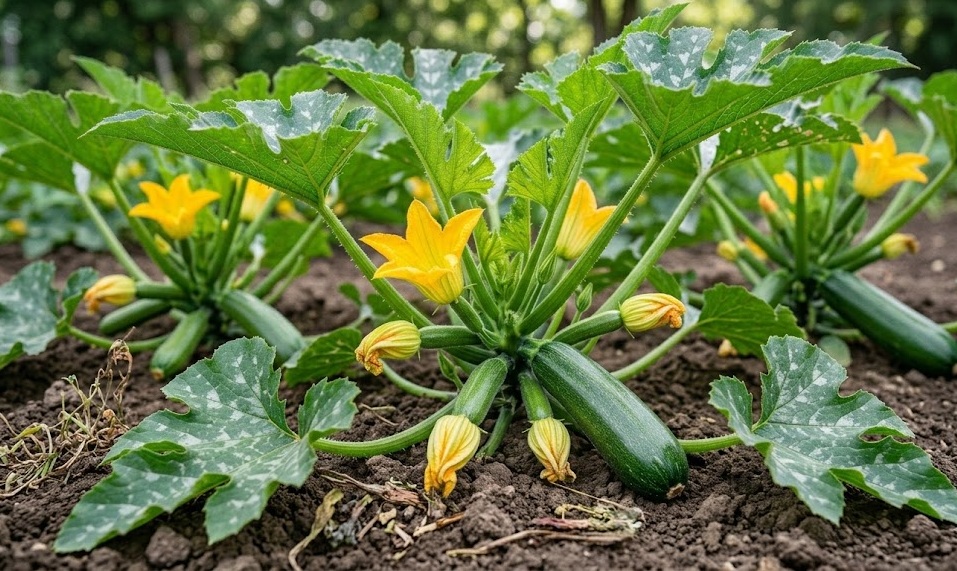

Establishing a productive zucchini crop begins with choosing the right propagation method and timing your planting according to local climate conditions. You must decide whether to start your seeds indoors for an early advantage or sow them directly into the warm soil of your garden beds. Professional results depend on the quality of the seeds and the precision with which you manage the early stages of the plant’s development. By understanding the specific needs of young zucchini plants, you can ensure they grow into vigorous, high-yielding adults.
Seed selection is the first professional step toward a successful growing season, as genetics play a huge role in disease resistance and yield. You should look for varieties that are well-suited to your local environment and offer the specific fruit characteristics you desire for your kitchen. High-quality seeds from reputable suppliers have better germination rates and are more likely to be true to their described traits. Taking the time to research different cultivars allows you to plan a garden that is both diverse and highly productive.
The timing of your planting is perhaps the most critical environmental factor that determines the success of your propagation efforts. You should monitor the soil temperature closely, as zucchini seeds will not germinate effectively if the ground is too cold or excessively wet. Planting too early can lead to stunted growth or even the total loss of seedlings due to unexpected late spring frosts. Professional gardeners often use a combination of historical weather data and current soil observations to find the perfect window for sowing.
Preparation of the planting site involves more than just digging a hole; it requires creating a nutrient-rich environment for the young roots. You should incorporate aged compost into the soil several weeks before planting to allow the organic matter to settle and integrate. This preparation ensures that as soon as the seeds germinate, they have immediate access to the minerals they need for rapid growth. A well-prepared bed provides the stability and nourishment required for the zucchini to establish a strong structural foundation.
Seed starting and indoor propagation
Starting your zucchini seeds indoors gives you a significant head start on the growing season and protects young plants from early pests. You should use large biodegradable pots to minimize root disturbance, as members of the squash family are notoriously sensitive to being moved. A high-quality seed-starting mix provides the light texture and drainage necessary for healthy root development in a controlled environment. Placing your pots in a warm, bright location will encourage quick germination, usually within five to ten days of sowing.
More articles on this topic
Lighting is a critical component of professional indoor propagation that prevents your seedlings from becoming weak and leggy. You should provide at least fourteen hours of bright light each day, using supplemental grow lights if your windowsills do not offer enough intensity. Rotating the pots regularly ensures that the plants grow straight and develop a sturdy main stem that can support future fruit. Without adequate light, the young zucchini will stretch toward the source, resulting in a fragile plant that may struggle once moved outdoors.
Watering indoor seedlings requires a delicate touch to avoid damping-off, a common fungal issue that can kill young plants overnight. You should water from the bottom of the pots to keep the foliage dry and ensure the moisture reaches the lower roots where it is needed most. Allowing the surface of the soil to dry slightly between waterings encourages the roots to grow deeper in search of moisture. Professional growers often use a small fan to improve air circulation, which strengthens the stems and reduces the risk of fungal infections.
Hardening off is the essential transition process that prepares your indoor-grown zucchini for the harsher conditions of the outdoor garden. You should gradually expose the plants to outdoor temperatures, wind, and direct sunlight over the course of about a week. Start with just an hour in a sheltered spot and slowly increase the duration and intensity of the exposure each day. This professional technique prevents transplant shock and ensures that your zucchini continue to grow vigorously once they are permanently planted in the ground.
Direct sowing techniques
Many professional gardeners prefer direct sowing because it allows the zucchini to develop a deep, undisturbed taproot from the very beginning. You should wait until the soil temperature reaches at least eighteen degrees Celsius to ensure rapid and uniform germination across your garden beds. Planting the seeds about two to three centimeters deep provides them with enough protection while still allowing the sprouts to reach the surface quickly. If the soil is particularly heavy, adding a small amount of sand to the planting hole can improve drainage and prevent seed rot.
More articles on this topic
The “hill” method is a classic and professional way to organize your direct-sown zucchini for better drainage and easier maintenance. You should create small mounds of soil about thirty centimeters in diameter and space them roughly one meter apart from center to center. Sowing two or three seeds on each hill ensures that at least one healthy plant will emerge, even if germination is not perfect. Once the seedlings have their first true leaves, you should thin them out to leave only the strongest individual on each mound.
Moisture management is vital during the germination phase to prevent the seeds from drying out or becoming waterlogged in the soil. You should keep the planting area consistently moist but never saturated, as excess water can deprive the seeds of the oxygen they need to sprout. If you live in a dry climate, covering the planting site with a light layer of straw can help retain moisture and protect the surface from crusting. Professional direct sowing requires a balance of environmental monitoring and patience as the seeds transition into active growth.
Protecting your direct-sown seeds from birds and small rodents is an often overlooked part of professional garden propagation. You should consider using mesh covers or temporary row covers until the seedlings are large enough to be less vulnerable to foraging animals. These covers also provide a slightly warmer microclimate that can speed up the early growth of the young zucchini plants. Once the plants have established several sets of true leaves, they are usually strong enough to withstand minor environmental pressures on their own.
Transplanting into the garden
When it comes time to move your seedlings into their permanent home, the weather conditions of the day can make a big difference. You should ideally choose a cloudy day or transplant in the late afternoon to reduce the immediate stress of the sun on the young tissues. Digging a hole that is slightly larger than the root ball allows you to add a handful of compost to the bottom for an extra nutrient boost. Professional transplanting is a gentle process that prioritizes the integrity of the root system above all else.
Placing the plant at the correct depth is essential for long-term stability and the prevention of stem rot near the soil line. You should set the zucchini seedling at the same level it was growing in its pot, ensuring that no part of the main stem is buried too deeply. Pressing the soil down firmly but gently around the base of the plant removes large air pockets and establishes good contact with the roots. A well-placed transplant will settle in quickly and begin showing new growth within just a few days of the move.
Immediate irrigation after transplanting is a non-negotiable step that helps the roots settle into their new environment and reduces shock. You should provide a thorough soaking that reaches deep into the soil, ensuring that the entire root zone is hydrated. Adding a very dilute liquid fertilizer or a root-stimulating solution can help the plant recover from the transition more quickly. This professional attention in the hours following the transplant sets the stage for a productive and healthy growing season.
Monitoring your new transplants for the first week is critical as they adjust to the variables of the outdoor environment. You should look for signs of wilting or leaf scorch, which may indicate that the plant needs temporary shade or additional water. If the nights are still cool, providing a bit of extra protection can prevent the young zucchini from becoming stunted by the low temperatures. A successful transplanting phase transitions the plant from a vulnerable seedling to a hardy and productive member of your garden ecosystem.
Vegetative propagation and cloning
While most people grow zucchini from seeds, it is actually possible to propagate these plants through stem cuttings in a professional setting. You should select a healthy, non-flowering side shoot and cut it with a clean, sharp knife to avoid crushing the delicate tissues. Placing the cutting in a glass of water or a very light rooting medium can encourage the development of new roots within a week or two. This method allows you to replicate a specific plant that shows exceptional vigor or disease resistance in your garden.
Maintaining high humidity around the cutting is essential during the initial period before it has developed its own root system to take up water. You can create a simple humidity tent using a clear plastic bag or a dome to keep the air moist and reduce transpiration from the leaves. Placing the cutting in a bright spot out of direct sunlight prevents it from overheating or drying out too quickly. Professional vegetative propagation requires precise environmental control to ensure the survival of the clone during its most vulnerable stage.
Once the roots are at least two or three centimeters long, you should carefully transition the new plant into a small pot filled with high-quality potting soil. You must handle the new roots with extreme care, as they are very fragile and can easily be damaged during the potting process. Keeping the soil consistently moist for the first few days helps the new plant establish itself in the growing medium. This technique provides a fascinating way to expand your garden and experiment with the reproductive potential of your favorite zucchini varieties.
Using vegetative propagation can also be a professional strategy for saving a plant that has suffered damage to its main root system or lower stem. If a healthy branch is still intact, you can potentially turn it into a completely new plant to replace the one that was lost. While this is not the primary way most gardeners grow zucchini, having the skill to clone your plants adds another tool to your professional horticultural toolkit. Experimenting with different propagation methods broadens your understanding of plant biology and improves your overall success as a gardener.