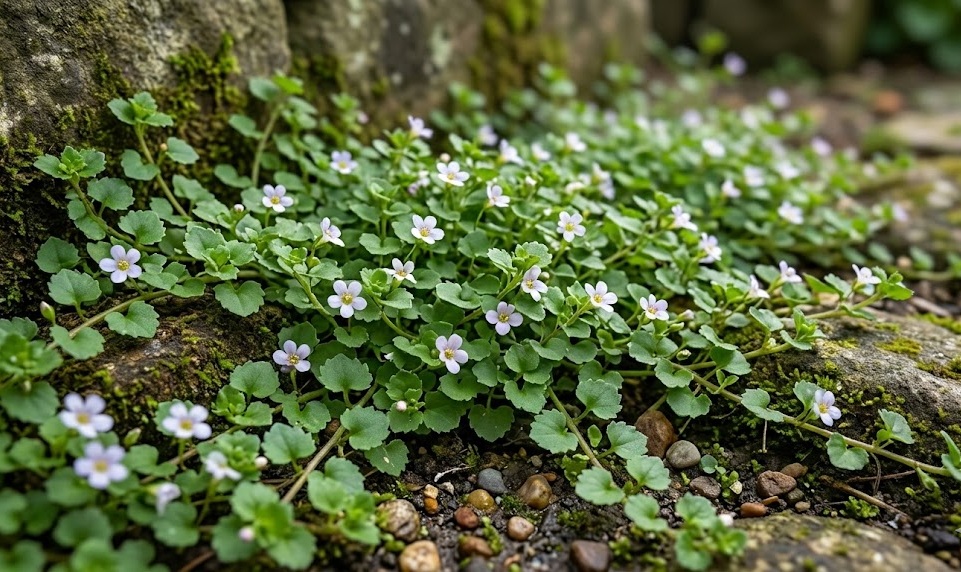

Maintaining a lush and vibrant display of trailing flowers requires a consistent approach to the fundamental needs of the plant. You should focus on creating a stable environment where the roots can thrive while the foliage remains hydrated and nourished. Understanding the natural rhythm of the growth cycle allows you to anticipate the needs of the plant before stress occurs. By dedicating just a few minutes each day to observation, you can ensure that your garden remains a stunning showcase of delicate white or purple blooms throughout the season.
Fundamental growth conditions
Selecting the right location is the first step in ensuring your plants reach their full potential in any garden setting. You need to look for a spot that offers a balance between warmth and protection from the harshest afternoon elements. The substrate should be rich in organic matter to provide a steady supply of nutrients to the expanding root system. If you choose a site with poor drainage, the plant will likely struggle with stagnant water which can lead to rapid decline.
The structure of the soil plays a vital role in how the plant manages its internal moisture levels over time. You should aim for a loamy mixture that allows for easy root penetration and consistent aeration throughout the growing season. Adding a layer of high-quality compost can significantly improve the texture and water-holding capacity of the planting area. Professionals often recommend checking the soil consistency weekly to ensure it remains loose and inviting for new root development.
Temperature management is equally important when you are cultivating these ornamental beauties in a temperate climate. They prefer moderate temperatures and might show signs of distress if the thermometer stays above thirty degrees for extended periods. You can mitigate heat stress by placing containers in areas that receive cooling breezes or light filtered shade during the peak of the day. Consistent warmth is beneficial, but extreme fluctuations between day and night temperatures should be avoided if possible.
Air circulation is an often overlooked factor that contributes significantly to the overall health and vigor of your hanging baskets. You should space your plants adequately to allow wind to move through the foliage and dry off any excess moisture from the leaves. Dense overcrowding often leads to a microclimate that encourages stagnant air and potential issues with localized humidity. Good ventilation helps the plant breathe and facilitates the natural transpiration process that keeps the stems turgid and upright.
More articles on this topic
Substrate and soil quality
The success of your gardening efforts depends heavily on the quality of the medium you provide for the root system to inhabit. You should look for a potting mix specifically designed for flowering annuals that offers a slightly acidic to neutral pH level. Many commercial mixes are pre-fortified with slow-release granules, but you should still assess the basic structure yourself. A high-quality substrate will feel spongy and light rather than dense and heavy like traditional garden clay.
Peat moss or coconut coir are excellent additions that help maintain the necessary moisture levels without suffocating the roots. You can mix these components with perlite or vermiculite to ensure that oxygen can still reach the deeper layers of the container. This balance is critical because the roots need to drink heavily while also having access to the surrounding air. Professional growers often customize their blends to suit the specific humidity levels of their local environment.
Testing the pH of your soil once or twice a season can prevent nutrient lockout and other invisible growth problems. You will find that these plants perform best when the acidity levels are kept within a specific range that facilitates mineral absorption. If the soil becomes too alkaline, you might notice the leaves turning yellow despite adequate watering and fertilization. Adjusting the balance with specialized soil conditioners can quickly restore the health and green color of the entire plant.
Organically rich soil provides a long-term foundation that synthetic fertilizers alone cannot replicate for your floral displays. You should consider incorporating well-rotted manure or leaf mold into the base layer before you begin the planting process. These organic materials break down slowly, releasing a steady stream of micronutrients that strengthen the cellular walls of the stems. Investing in premium soil at the start will save you a significant amount of effort and frustration later in the summer.
More articles on this topic
Routine maintenance and observation
Vigilance is the hallmark of an expert gardener who wants to keep their hanging displays looking fresh and energetic. You should make it a habit to inspect the underside of the leaves and the tips of the new growth every morning. Early detection of any wilting or discoloration allows you to make minor adjustments to your care routine before the plant suffers. Observation is your most powerful tool in maintaining the aesthetic appeal and biological health of your floral arrangements.
Removing faded flowers is a simple task that encourages the plant to direct its energy toward producing new buds rather than seeds. While many modern varieties are self-cleaning, you will still find that a quick manual grooming session keeps the plant looking tidy. You can gently run your fingers through the trailing stems to dislodge any spent petals that have become trapped in the foliage. This practice also prevents the buildup of decaying organic matter which could potentially attract unwanted problems.
Monitoring the growth rate will tell you everything you need to know about the effectiveness of your current care strategy. If you notice that the internodes are becoming too long and the plant looks leggy, it might be an indication of insufficient light. Conversely, very compact growth with small leaves could suggest that the plant is focusing too much on survival rather than expansion. Adjusting the position of your containers based on these visual cues is a fundamental part of expert plant care.
Consistency in your daily actions creates a predictable environment that allows the plant to flourish without stress. You should try to perform your maintenance tasks at the same time each day to minimize the impact of environmental changes. Plants respond well to a steady rhythm of hydration and nutrition that matches their metabolic needs during different phases of the day. A disciplined approach to care results in a more resilient specimen that can withstand occasional lapses in weather conditions.
Seasonal adjustments for vitality
As the seasons transition from the early spring warmth to the intense heat of midsummer, your care routine must evolve accordingly. You will notice that the water consumption of your plants increases dramatically as the days become longer and the sun grows stronger. You might need to move your pots to a slightly more shaded area to prevent the delicate blooms from scorching under the noon sun. Being proactive about these changes ensures that the transition between seasons is seamless for the plant.
Late summer often brings higher humidity levels that can change how the plant interacts with its surrounding atmosphere. You should be mindful of how quickly the soil dries out during these muggy periods to avoid overwatering the roots. If you find that the foliage stays wet for too long after a rainstorm, you might consider thinning out the center of the plant. Maintaining adequate spacing during the height of summer is essential for preventing the common issues associated with trapped moisture.
In the autumn months, the growth rate will naturally begin to slow down as the intensity of the light fades away. You should gradually reduce the frequency of your feeding schedule to align with this reduced metabolic activity. Continuing to push the plant with high levels of nitrogen during the cooling phase can lead to soft growth that is susceptible to early frosts. Respecting the natural dormancy signals of the plant helps it transition into the colder months with more structural integrity.
Preparing for the end of the traditional growing season involves assessing which plants have the potential for longevity beyond the first frost. You should identify the strongest and healthiest specimens if you intend to bring them indoors for the winter months. Taking preventative measures against the cooling soil temperatures can extend the flowering period by several weeks into the late fall. Understanding the seasonal lifecycle allows you to maximize the beauty of your garden from the first thaw until the final freeze.
Creating a harmonious environment
The context in which you place your plants significantly influences their perceived beauty and their actual biological success. You should consider the color palette of surrounding flowers to create a visually stimulating and cohesive garden design. Trailing plants look spectacular when they are allowed to spill over the edges of stone walls or ornate ceramic planters. Providing a backdrop that contrasts with the delicate texture of the foliage makes the individual blooms stand out more prominently.
Wind protection is a critical component of environmental management that is often overlooked by novice gardeners in open areas. You should position your hanging baskets where they are shielded from strong gusts that can dry out the leaves and snap brittle stems. If your garden is particularly exposed, you can use taller architectural plants or trellis structures to create a natural windbreak. A calm environment allows the trailing stems to grow more evenly and reduces the physical stress on the plant.
Grouping plants with similar needs together makes your maintenance routine much more efficient and effective throughout the week. You will find it easier to manage the hydration and feeding of several pots if they are all located in the same microclimate. This strategy also creates a more lush and tropical feel in your outdoor living spaces by concentrating the greenery. Cohesion in both aesthetics and care requirements is the secret to a professional-looking and manageable home garden.
Humidity levels near the soil surface can be managed by using mulches or placing containers on trays of moist pebbles. You should strive to create a localized zone of moisture that keeps the air around the leaves from becoming excessively dry. This is particularly important if you live in an arid climate where the evaporation rate is high during the daylight hours. Enhancing the immediate environment around your plants leads to larger flowers and a more robust overall appearance.
Advanced techniques for density
To achieve the dense, carpet-like appearance often seen in professional displays, you need to employ specific training techniques. You should start by pinching back the very tips of the young stems to encourage lateral branching from the leaf nodes. This process triples the number of flowering points on a single branch, resulting in a much fuller and more rounded specimen. Regular intervention during the early stages of growth pays off with a massive explosion of color later in the season.
Root management in confined spaces is essential for maintaining the health of large, trailing specimens in small pots. You should occasionally check if the roots have begun to circle the bottom of the container, which indicates they are becoming pot-bound. Gently loosening the outer roots and providing a slightly larger home can trigger a new surge of growth and vitality. Keeping the root system active and expanding is the key to supporting a large volume of foliage and flowers.
Utilizing growth enhancers or organic stimulants can give your plants an extra edge during the peak of the flowering season. You can apply seaweed extracts or fulvic acid treatments to improve the cellular resilience and nutrient uptake of the root system. These natural supplements work in harmony with your regular fertilizer to create a more robust and healthy plant from the inside out. Advanced gardeners use these tools to overcome the limitations of standard potting soils and local weather patterns.
Manipulating light exposure throughout the day can also help you control the shape and density of your floral arrangements. You can rotate your hanging baskets every few days to ensure that all sides of the plant receive an equal amount of sunlight. This prevents the plant from becoming one-sided or leaning heavily toward the primary light source in your garden. Symmetry is a hallmark of a well-cared-for ornamental plant and is easily achieved with minimal regular effort.
Understanding the plant physiology
Recognizing how the internal systems of the plant function will help you make better decisions regarding its daily care and maintenance. The vascular system of these trailing plants is highly efficient at transporting water from the roots to the furthest tips of the stems. You should understand that any interruption in this flow, such as a dry root ball, can cause immediate and visible wilting. Knowing the mechanics of transpiration helps you appreciate why consistent moisture is so critical for these specific species.
The production of flowers is a resource-intensive process that requires a constant supply of carbohydrates and minerals. You are essentially managing a small biological factory that converts sunlight and water into beautiful ornamental displays. When you provide optimal conditions, you are facilitating the complex chemical reactions that result in the vivid colors and delicate textures. Learning about the metabolic needs of your plants makes the gardening process more rewarding and intellectually stimulating.
The relationship between leaf surface area and water loss is a fundamental concept that governs how you should manage your hydration schedule. Large, lush plants with many leaves lose moisture much faster than smaller ones, even on days that are not particularly hot. You must adjust your watering volume to match the size of the specimen and the environmental demands of the specific day. Physiology dictates that the plant will prioritize survival over flowering if the water balance becomes skewed toward deficit.
Finally, the role of hormones in plant development explains why certain pruning and pinching techniques are so effective at changing growth habits. By removing the terminal bud, you are disrupting the flow of auxins that suppress the growth of side shoots. This biological trigger is what allows you to transform a single long stem into a bushy and productive branch. Embracing the science behind the beauty allows you to garden with a deeper sense of purpose and a higher degree of success.