
Maintaining the health of great stonecrop requires a deep understanding of its botanical needs and its natural adaptation to various environmental stressors. This hardy succulent is prized for its ability to thrive in poor soils while providing a structured aesthetic to the late-season garden landscape. As a gardener, you must observe the subtle signals the plant provides through its foliage density and stem strength throughout the growing year. Successful care involves balancing minimal intervention with strategic actions that promote a robust root system and vibrant flower clusters.
Understanding the natural habitat
The great stonecrop is naturally adapted to rocky terrains and open meadows where drainage is exceptionally fast. You will find that replicating these conditions in a domestic garden is the first step toward a thriving specimen that requires little help. These plants have evolved to store moisture in their thick, fleshy leaves, allowing them to withstand periods of drought that would kill more delicate perennials. Understanding this evolutionary background helps you avoid the most common mistake of over-managing the plant’s environment.
When you look at the natural distribution of this species, it becomes clear that it prefers open spaces with plenty of airflow. Stagnant air or overly crowded planting beds can lead to issues with humidity that the plant is not equipped to handle. You should aim to provide enough space between your stonecrops and their neighbors to allow the wind to dry the foliage after rainfall. This spatial awareness mirrors the sparsely populated rocky outcrops where these succulents naturally dominate the landscape.
The resilience of the great stonecrop is rooted in its ability to handle temperature fluctuations without losing its structural integrity. It is accustomed to warm days and cool nights, which triggers the characteristic hardening of its stems and leaves. By placing it in a spot that experiences natural temperature shifts, you encourage a more compact and durable growth habit. A plant grown in a climate-controlled or overly sheltered environment often becomes leggy and prone to breaking.
Observation is your most valuable tool when trying to mimic the natural setting for this perennial. Notice how the leaves change texture when the weather becomes exceptionally dry or how the stems lean toward the strongest light source. These movements are adaptations that have allowed the species to survive in harsh conditions for centuries. By respecting these natural tendencies, you can create a garden environment where the plant feels truly at home.
More articles on this topic
Soil requirements and preparation
The foundation of great stonecrop care lies in the physical and chemical composition of the soil in which it resides. You must ensure that the growing medium is lean and porous, as high levels of organic matter can actually be detrimental. In nature, these plants often grow in cracks between stones where soil is minimal and nutrient levels are low. For your garden, a mixture of native loam and coarse grit or sand provides the perfect balance of stability and drainage.
If your garden consists of heavy clay, you will need to take significant steps to amend the planting area before introducing the stonecrop. Clay retains too much water, which can lead to anaerobic conditions around the roots and eventually cause the plant to collapse. You can improve this by incorporating large amounts of gravel or crushed brick into the top twelve inches of the soil. This structural change ensures that gravity can pull excess moisture away from the crown of the plant quickly.
The pH level of the soil should ideally be neutral to slightly alkaline, though the great stonecrop is remarkably flexible in this regard. You do not need to obsess over precise chemical readings, but avoiding extremely acidic peat-based soils is generally a good practice. If you find your soil is naturally very acidic, a light application of garden lime can help bring the balance closer to the plant’s preference. This adjustment helps the roots take up essential minerals more efficiently during the peak growing season.
Preparation also involves clearing the site of aggressive weeds that might compete for the limited resources the stonecrop needs. Because this plant grows relatively slowly compared to common garden weeds, it can easily be smothered in its early stages. You should take the time to deeply cultivate the area and remove any perennial root fragments before you start. A clean start allows the stonecrop to establish its own territory without the stress of constant competition for light and space.
More articles on this topic
Seasonal maintenance routines
As spring arrives, your focus should be on clearing away the dead stems from the previous year to make room for new growth. You will notice small, cabbage-like rosettes forming at the base of the plant as soon as the soil begins to warm. Removing the old, brittle stalks at this stage prevents pests from overwintering in the debris and allows sunlight to reach the new shoots. Be careful not to damage these tender new buds, as they represent the entire season’s potential for the plant.
During the height of summer, the maintenance of the great stonecrop becomes largely a matter of monitoring for structural balance. The plant is busy producing its large flower heads, which can become quite heavy as they develop. You might notice some stems starting to splay outward, especially if the plant is receiving more water or nutrients than it strictly needs. At this point, you should resist the urge to feed it and instead focus on maintaining a consistent, low-moisture environment.
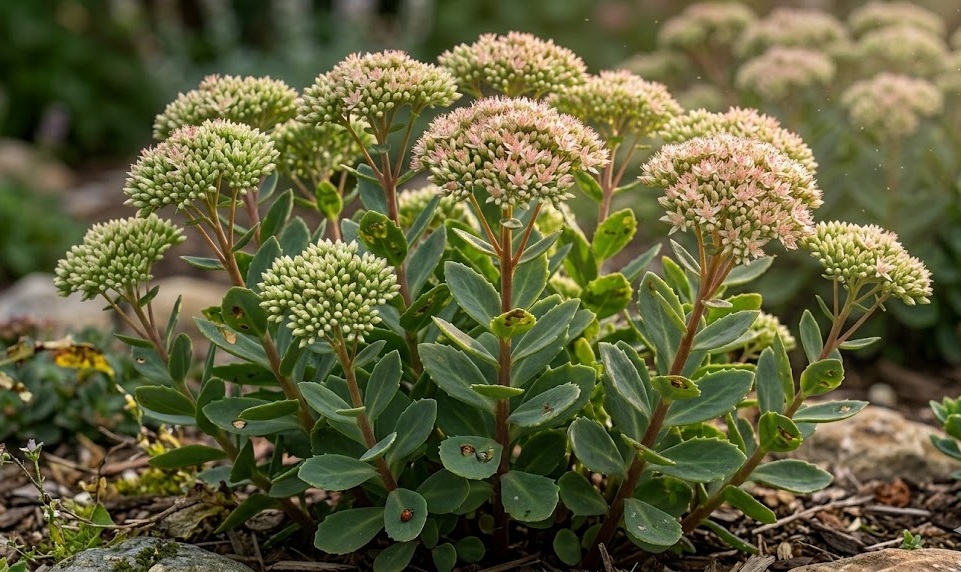
Autumn is perhaps the most rewarding time for this plant, as the flower heads transition through shades of green, pink, and eventually deep bronze. Your maintenance during this period is minimal, as the plant is preparing for its winter dormancy. Many gardeners choose to leave the dried flower heads intact through the end of the year to provide visual interest in the winter garden. These skeletal remains also provide a small amount of protection for the crown against the first few hard frosts of the season.
As winter approaches, the plant’s metabolic processes slow down significantly and the foliage may begin to wither. You should stop any form of intervention, including watering or soil disturbance, as the plant enters its rest phase. The great stonecrop is exceptionally cold-hardy and does not require elaborate protection in most temperate climates. Simply leaving the area undisturbed is the best way to ensure the plant returns with vigor when the next spring cycle begins.
Weed management and mulching
Managing the area around your great stonecrop requires a careful approach to mulching that differs from standard garden beds. Traditional wood chip mulches can hold too much moisture against the stems of succulents, potentially leading to rot. You should instead consider using inorganic mulches like pea gravel, river stones, or crushed slate. These materials suppress weeds effectively while allowing the soil surface to dry out rapidly after a rainstorm.
When weeds do appear, you should remove them by hand while they are still small to avoid disturbing the stonecrop’s root system. The roots of this succulent are relatively shallow and can be easily damaged by heavy-duty weeding tools. By keeping a close eye on the bed, you can pull young seedlings before they develop deep taproots that compete for moisture. Regular, light maintenance is always better than an occasional, aggressive weeding session that might stress the primary plant.
The use of a stone mulch also has the added benefit of reflecting heat back up toward the plant during the day. This creates a microclimate that mimics the warm, stony environments where the great stonecrop evolved. This extra warmth can be particularly beneficial in early spring, helping the plant wake up and start its growth cycle a few weeks earlier. It also creates a beautiful aesthetic contrast between the green, fleshy leaves and the neutral tones of the rock.
You must be cautious about allowing ground-covering weeds to creep under the low-hanging leaves of the stonecrop. These hidden competitors can create a humid pocket of air that encourages fungal growth on the underside of the succulent foliage. Check the perimeter of your plants regularly and ensure there is a clear “no-growth” zone of at least a few inches around the base. This simple step goes a long way in maintaining the overall hygiene and health of your garden specimens.
Growth monitoring and support
A healthy great stonecrop should have a sturdy, upright habit with thick stems that can support the weight of the flower clusters. If you notice the stems becoming thin or falling over, it is often a sign of too much shade or excessive nitrogen in the soil. You should monitor the growth rate; a plant that grows too fast often lacks the structural integrity of one that grows slowly. Professional gardeners often look for a matte finish on the leaves, which indicates a strong protective cuticle.
In some garden settings, especially those with very rich soil, even the healthiest stonecrop might need a bit of mechanical support. You can use low-profile ring supports or even small twigs pushed into the soil to give the stems something to lean against. These supports should be installed early in the season so the plant can grow through them, making the intervention invisible by late summer. Avoid tying the stems tightly, as this can bruise the succulent tissue and lead to infection points.
Monitoring also involves checking the center of older clumps to see if they are becoming overly crowded or “bald” in the middle. As the plant ages, the central part of the rootstock can become woody and less productive. If you see the growth primarily occurring around the edges, it is a signal that the plant needs to be rejuvenated in the coming spring. Keeping a detailed garden journal can help you track the age and performance of each individual clump over the years.
Pay attention to the color of the foliage as the seasons progress, as this is a primary indicator of the plant’s internal health. A slight purple or bronze tint in the leaves is often a natural reaction to sunlight and temperature, rather than a sign of distress. However, if the leaves turn yellow or translucent, it almost always points to a problem with the roots being too wet. Catching these color changes early allows you to adjust your care routine before any permanent damage occurs to the specimen.
Pruning for health and aesthetics
While the great stonecrop does not require intensive pruning, strategic cuts can significantly improve its appearance and longevity. In the early summer, some gardeners practice the “Chelsea Chop,” which involves cutting the stems back by about one-third. This technique results in a shorter, more compact plant that is less likely to flop over later in the season. It also delays flowering slightly, which can be useful for extending the garden’s visual interest into late autumn.
Removing dead or damaged leaves throughout the growing season is a simple task that keeps the plant looking its best. You can easily snap off these leaves with your fingers, as the plant is designed to shed foliage cleanly. This prevents the buildup of dead organic matter around the base, which could otherwise harbor pests like slugs. Regular grooming ensures that the plant’s energy is directed toward healthy new growth and flower production rather than maintaining failing tissue.
The timing of the final cut-back at the end of the year is a matter of personal preference and local climate conditions. If you live in an area with very wet winters, removing the old stems in late autumn can help prevent crown rot. However, in drier or colder regions, leaving the stems until spring provides valuable protection for the dormant buds. Consider the architectural value of the dried seed heads against the winter snow when making your decision.
When you do perform a major cut-back, always use sharp, clean bypass pruners to ensure a clean wound on the stem. Ragged edges or crushed tissue can take longer to heal and may provide an entry point for pathogens. Disinfecting your tools between different plants is also a professional standard that prevents the spread of hidden diseases. This level of care ensures that your great stonecrop remains a healthy and vibrant part of your landscape for many years to come.
Long term sustainability in the garden
To ensure your great stonecrop thrives for decades, you must view it as a permanent part of a balanced ecosystem. This means avoiding the use of harsh synthetic chemicals that can disrupt the natural microbial life in the soil. Healthy soil biology supports the root system of the succulent, making it more resilient to environmental extremes. By encouraging a diverse range of soil organisms, you create a self-sustaining environment that requires fewer external inputs over time.
Sustainability also involves choosing the right companions for your stonecrop to create a mutually beneficial community. Planting it alongside other drought-tolerant perennials like lavender, ornamental grasses, or yarrow creates a cohesive aesthetic that shares the same care requirements. These combinations reduce the need for localized watering or specialized fertilization, saving you time and resources. A well-designed garden bed should function as a single unit rather than a collection of needy individuals.
As your plants mature, you will have the opportunity to share them with other gardeners or expand your own collection. This cyclic process of growth and division is at the heart of sustainable gardening practices. By propagating your own successful plants, you are ensuring that the genetics best suited to your specific local microclimate are preserved. This localized adaptation makes each successive generation of stonecrop even tougher and more beautiful than the last.
Finally, consider the role your great stonecrop plays in supporting local pollinators like bees and butterflies. The late-season flowers provide a crucial source of nectar when many other plants have already finished blooming. By maintaining these plants without toxic pesticides, you are providing a safe haven for beneficial insects. This holistic approach to gardening transforms a simple succulent into a vital component of the local environment, proving that beauty and utility can go hand in hand.