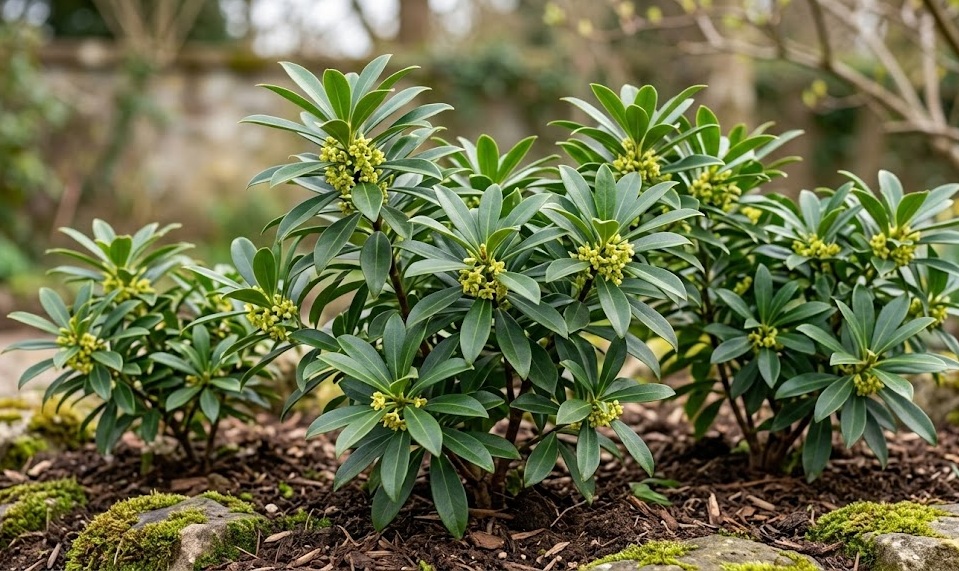

Preparing the garden for the coldest months of the year is a fundamental task for any serious horticulturist who wants to preserve the beauty of their landscape. While spurge-laurel is a hardy evergreen shrub, the winter season presents unique challenges that can test its resilience and structural integrity. Successful overwintering involves more than just surviving the frost; it requires proactive steps to protect the foliage from drying winds and the root system from extreme temperature fluctuations. A well-prepared plant will emerge in the spring with its vigor intact and ready for a new season of growth.
The primary threat during the winter is not always the cold itself, but rather the drying effect of freezing temperatures combined with winter sun. Because the shrub retains its leaves, it continues to lose moisture through transpiration, even when the ground is frozen and the roots cannot replenish the water. This can lead to a condition known as desiccation, where the leaves turn brown and become brittle. Understanding this physiological challenge allows you to implement protective measures that go beyond simple insulation.
Snow management is another practical consideration for gardeners in regions that experience significant winter precipitation. The weight of heavy, wet snow can easily snap the branches of a dense shrub, especially if they are already stressed by the cold. Monitoring your plants after a snowfall and gently clearing the accumulation can prevent permanent structural damage. This hands-on approach ensures that the shrub maintains its pleasing, rounded form throughout the dormant season and into the following year.
The transition from winter to spring is a delicate time when the plant begins to wake up from its low-metabolic state. Fluctuating temperatures can sometimes trick the shrub into starting new growth too early, leaving it vulnerable to late spring frosts. By maintaining a stable environment through mulching and strategic placement, you can help the plant navigate this transitional period safely. A professional overwintering strategy is an investment in the long-term health and longevity of your garden’s evergreen backbone.
Understanding cold hardiness and zones
The ability of a shrub to survive the winter is largely determined by its genetic cold hardiness and the specific conditions of its microclimate. Spurge-laurel is typically hardy in most temperate regions, but its performance can vary depending on the severity and duration of the cold. You should be familiar with your local hardiness zone and how it relates to the specific needs of the plants in your collection. Knowing the limits of your shrub’s tolerance allows you to decide when extra protection is absolutely necessary.
More articles on this topic
Extreme cold can cause the water inside the plant cells to freeze, which may lead to physical rupture and tissue death. While this species has evolved mechanisms to prevent intracellular freezing, prolonged exposure to temperatures far below its limit can still be damaging. If an exceptionally cold snap is predicted, you might consider temporary covers like frost blankets to provide an extra layer of insulation. These covers should be removed during the day if the sun is out to prevent the temperature underneath from rising too high.
The location of the shrub within your garden plays a massive role in how it experiences the winter. Plants situated in “frost pockets”—low-lying areas where cold air settles—will face much harsher conditions than those on slightly higher ground. Similarly, a shrub on a north-facing slope will stay dormant longer, which can actually be a benefit by protecting it from early-season temperature spikes. Assessing these microclimates is a professional skill that helps you place each plant where it has the best chance of thriving year-round.
Acclimatization is the natural process where the plant gradually increases its cold tolerance as the days shorten and the temperatures drop in autumn. You can support this process by avoiding late-season fertilization, which could stimulate soft, vulnerable growth that is easily killed by frost. Allowing the shrub to experience the natural cooling of the season without interference helps it build the necessary chemical defenses for winter. This respect for the plant’s natural rhythms is a cornerstone of professional horticultural practice.
Mulching for root insulation
The root system is the most sensitive part of the plant during the winter, as it lacks the protective bark and chemical defenses found in the upper stems. Applying a thick layer of organic mulch around the base of the shrub is one of the most effective ways to provide insulation and stability. A layer of wood chips, bark, or shredded leaves acts like a thermal blanket, slowing down the rate at which the ground freezes and thaws. This prevents the “heaving” of the soil, which can physically push the roots out of the earth and expose them to the air.
More articles on this topic
The timing of mulch application is important to ensure you are trapping the right amount of moisture and heat in the soil. You should apply the winter mulch in late autumn, after the first light frost has occurred but before the ground has frozen solid. This ensures that the soil has cooled down naturally, which encourages the plant to enter its dormant state. A five-to-ten-centimeter layer is usually sufficient to provide the necessary protection for most evergreen shrubs in a temperate climate.
Choosing the right material for your winter mulch can also contribute to the long-term health of the soil and the plant. Organic materials that break down slowly, such as cedar chips or large-grade bark, are excellent for providing lasting insulation throughout the season. These materials also improve the soil structure over time and provide a habitat for beneficial soil organisms that stay active beneath the mulch. Avoid using materials that pack down too tightly, such as grass clippings, as these can block the movement of oxygen to the roots.
When applying mulch, it is crucial to keep the material away from the actual trunk or main stems of the shrub. Piling mulch against the bark can trap moisture and provide a hiding place for rodents that might gnaw on the wood during the winter. A “donut” shape, where the mulch is thickest at the drip line and tapers off toward the center, is the professional standard for safe and effective mulching. This careful application ensures that the roots stay warm while the upper plant remains healthy and free from rot.
Protection from winter winds and sun
Winter winds can be devastating to evergreen shrubs because they dramatically increase the rate of moisture loss from the leaves. In some regions, a cold, dry wind can strip the foliage of its hydration in a matter of hours, leading to severe browning and dieback. If your shrub is located in an exposed or breezy part of the garden, you may need to construct a temporary windbreak to provide shelter. A simple screen made of burlap and wooden stakes is often all that is needed to break the force of the wind.
The “winter sun” can also be a hidden danger, especially when it reflects off a layer of white snow. This intense light can cause the temperature of the leaves to rise quickly, triggering a metabolic reaction that the roots cannot support because they are dormant or frozen. When the sun goes down and the temperature drops rapidly, the resulting thermal shock can damage the leaf tissues. Providing light shade with a burlap wrap or positioning the shrub on the north side of other plants can mitigate this risk.
Anti-desiccant sprays are another tool that professional gardeners sometimes use to protect evergreen foliage during the winter. These products create a thin, waxy coating on the leaves that reduces the amount of moisture lost through the stomata. While they can be effective, they must be applied correctly and at the right temperature to be useful without harming the plant. Most anti-desiccants need to be reapplied several times during the winter, especially after heavy rain or snow has washed the coating away.
Consistent hydration before the ground freezes is perhaps the best defense against both wind and sun damage. You should give your shrub a very deep watering in late autumn to ensure that its internal tissues are fully saturated before the winter begins. A well-hydrated plant is much more resistant to the drying effects of the cold than one that enters the winter already stressed by drought. This final act of autumn care is a simple but powerful way to ensure the survival of your evergreen collection.
Monitoring and spring transition
Throughout the winter, you should perform periodic visual checks on your shrubs to look for any signs of physical damage or stress. If you notice branches that have been broken by wind or snow, they should be cleanly pruned away as soon as the weather allows. This prevents the wounds from becoming a focal point for rot or fungal infections during the damp days of early spring. Keeping a close eye on your garden during the dormant season allows you to respond quickly to any unforeseen environmental challenges.
As the days begin to lengthen and the temperatures rise, the shrub will slowly emerge from its period of winter dormancy. This is the time to gradually remove any protective wraps or windbreaks that you installed during the autumn. Removing these protections too early can expose the plant to late frosts, but leaving them on too long can cause the plant to overheat or develop mold due to trapped humidity. Watching the local weather forecasts and the behavior of the plant itself will help you time this transition perfectly.
Spring is also the time to assess the overall health of the shrub and identify any “winter burn” that may have occurred. If you see brown or dead tips on the branches, wait until the new growth begins to emerge before you decide whether to prune them off. Often, the plant will push out new leaves from buds that survived the cold, even if the surrounding foliage looks damaged. Patience is a virtue in the early spring garden, as it allows the plant to show you exactly where the living wood begins.
The first watering of the spring should be done as soon as the ground has fully thawed and the plant begins to show signs of activity. This helps flush out any salts that may have accumulated in the soil and provides the hydration needed for the initial flush of new growth. Refreshing the mulch layer at this time will also help maintain consistent soil temperatures as the weather warms up. Transitioning smoothly into the spring ensures that the hard work you put into overwintering pays off with a beautiful and healthy shrub.